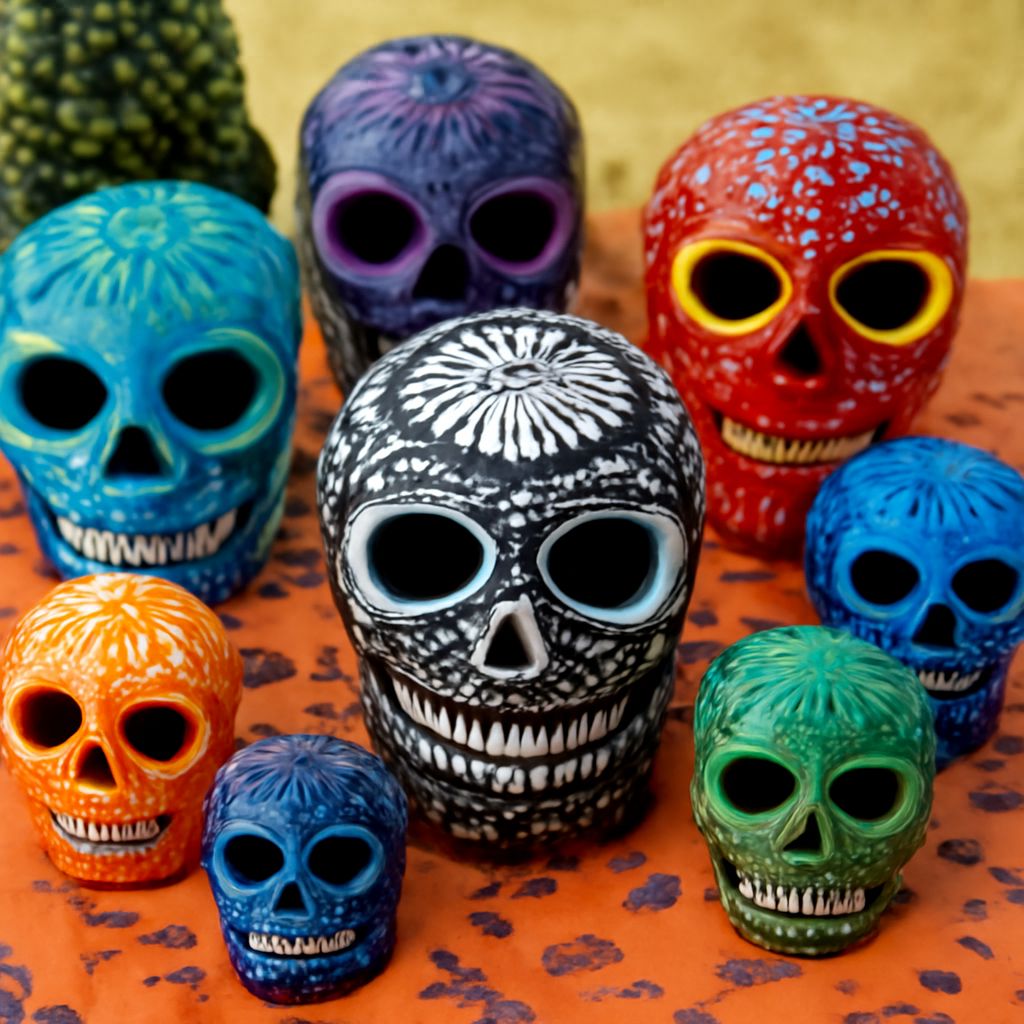
Colorful and intricate, sugar skulls are more than just decorative items. With roots deeply planted in Mexican culture, these vibrant creations serve as artistic representations of life and death. Understanding what a sugar skull is and how it connects to Mexican skulls provides insight into the rich traditions of Día de los Muertos.
The Origin of Sugar Skulls
Mexican sugar skulls, known as “calaveras de azúcar,” date back to the 17th century. Introduced by Italian missionaries, the method of molding sugar into intricate designs became a popular practice in Mexico due to the abundance of sugar and the affordability of production. Traditionally, sugar skulls are crafted using a mixture of granulated sugar, meringue powder, and water, molded into shape, and then decorated with colorful icing, beads, and feathers.
Symbolism in Mexican Skulls
The symbolism ingrained in sugar skulls reflects a unique perspective on mortality. Rather than portraying death as morbid, sugar skulls celebrate the cycle of life and the deceased, embodying a joyful acceptance of death. Each skull is often adorned with the name of a loved one who has passed away. This personalization serves as a tribute, honoring the memory of the departed, and is a key element of the Día de los Muertos festivities.
Artistic Elements of Sugar Skulls
Artistry plays a significant role in the creation of sugar skulls. Designs vary widely, but they often feature vibrant colors and intricate patterns that make each skull unique. Common motifs include flowers, hearts, and crosses, symbolizing love, life, and faith respectively. The bold use of color is not just for aesthetic appeal; it symbolizes the vibrancy of life and the joyous celebration of those who have passed. Gold leaf and glitter are frequently used to add a touch of opulence and reverence.
Sugar Skulls in Día de los Muertos
Día de los Muertos, or Day of the Dead, is a pivotal celebration in Mexican culture where sugar skulls take center stage. Held on November 1st and 2nd, this holiday honors deceased loved ones with offerings, including sugar skulls, placed on altars called “ofrendas.” These altars are adorned with photographs, food, and other memorabilia to welcome the spirits of the dead back to the realm of the living. The sugar skulls on the ofrendas are not just decorative; they embody the legacy of the departed, bridging the gap between the living and the dead.
In conclusion, sugar skulls are a profound symbol of Mexican heritage, combining artistry and tradition in a celebration of life and afterlife. Understanding their origin, symbolism, artistic elements, and role in Día de los Muertos enriches one’s appreciation of this vibrant aspect of Mexican culture.