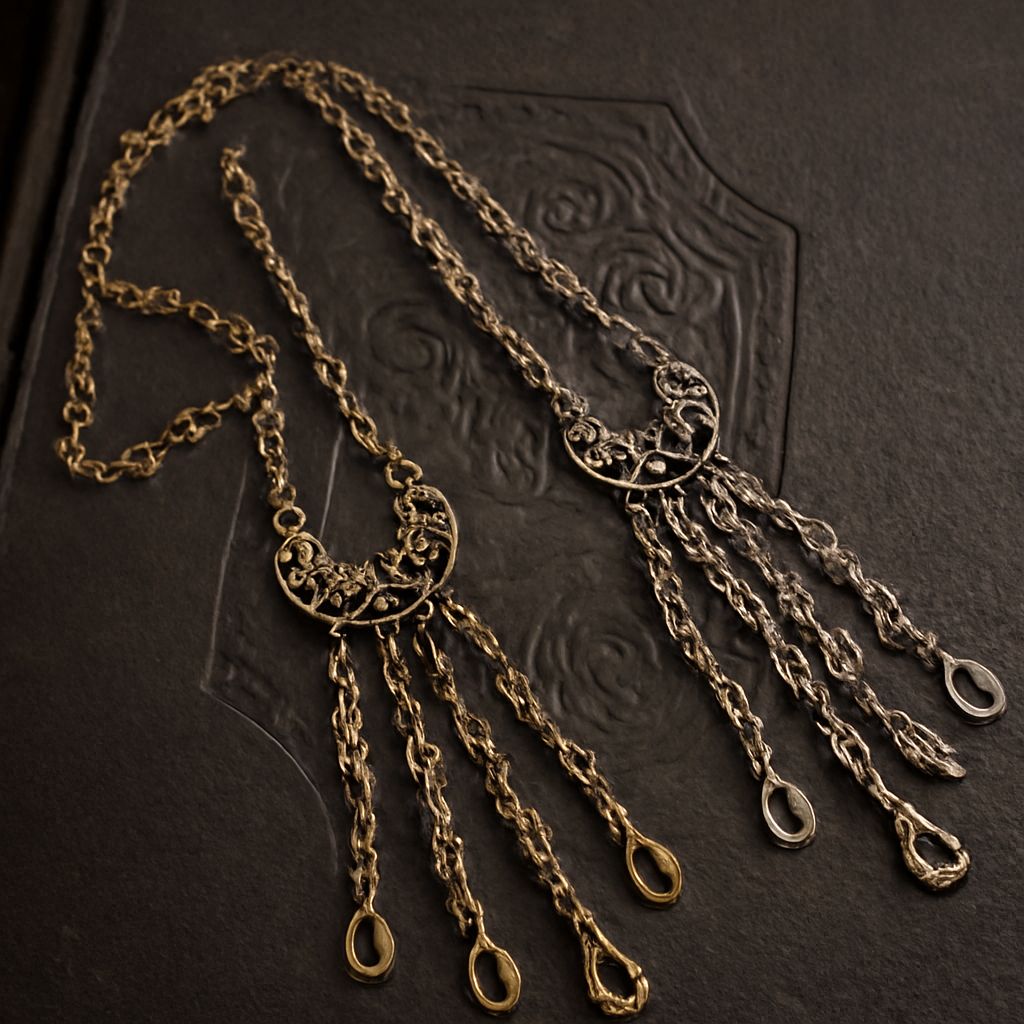
Chatelaines were once indispensable accessories, wielding both practical and symbolic power in society. Serving as both a functional tool and a symbol of status, these ornate items have left a lasting impression on visual culture, particularly in portraiture. Today, we’ll explore what chatelaines were, their historical significance, and their artistic representation.
Understanding Chatelaines: Definition and History
Chatelaines originated in the 17th century and were primarily worn by women. Essentially, a chatelaine was a decorative belt hook or clasp from which chains were suspended. These chains, known as chatelaine chains, held essential items such as keys, scissors, thimbles, or even watches. In essence, chatelaines functioned as early multi-tools, offering immediate access to necessary household items.
Their evolution saw chatelaines becoming more elaborate over time. By the Victorian era, they had transformed from mere utility items into complex fashion statements, reflecting the wearer’s personal taste and social status. Intricate designs and precious materials like silver, gold, and gemstones adorned chatelaines, making them a testament to craftsmanship and artistry.
The Symbolic Role of Chatelaines in Portraiture
In portraiture, chatelaines often served as more than mere accessories. They were potent symbols of the wearer’s role in the household and society. A portrait featuring a woman with a chatelaine not only depicted her as the keeper of domestic order but also subtly communicated her authority and social standing.
Artists frequently included chatelaines in their works to convey messages about the individual’s identity or status. For example, a portrait of a woman with an elaborately decorated chatelaine chain could suggest wealth, attention to detail, and an adherence to fashion trends. This symbolic representation added depth to portraits, offering viewers insight into the societal norms and values of the time.
Chatelaine Chains: Functionality and Aesthetics
The chatelaine chain was a crucial component, providing both functionality and aesthetic appeal. Functionally, these chains ensured that essential items were always within reach, enhancing the efficiency of daily tasks. Each chain could hold different items, allowing for a degree of customization that suited the individual’s needs.
Aesthetically, chatelaine chains were often works of art in themselves. Crafted from precious metals and sometimes inlaid with jewels, they were designed to complement the overall appearance of the wearer. The craftsmanship involved in creating these chains was meticulous, with artisans paying close attention to details such as engravings and embellishments.
Influence of Chatelaines on Visual Culture
Chatelaines have had a lasting impact on visual culture, particularly within the realm of fashion and art. Their presence in historical portraits provides valuable insights into the norms and lifestyles of past societies. Moreover, chatelaines have inspired modern artists and designers, who often draw from their rich history to create contemporary pieces that echo traditional aesthetics.
Their legacy extends beyond art, influencing the design of modern accessories and tools. Many contemporary fashion pieces and utility items are inspired by the multifunctional aspect of chatelaines, highlighting their enduring relevance and versatility.
Through their practical use and symbolic significance, chatelaines have secured a unique place in history, art, and culture. They continue to fascinate historians, artists, and the public alike, serving as a testament to the blend of functionality and artistry that defined past eras.