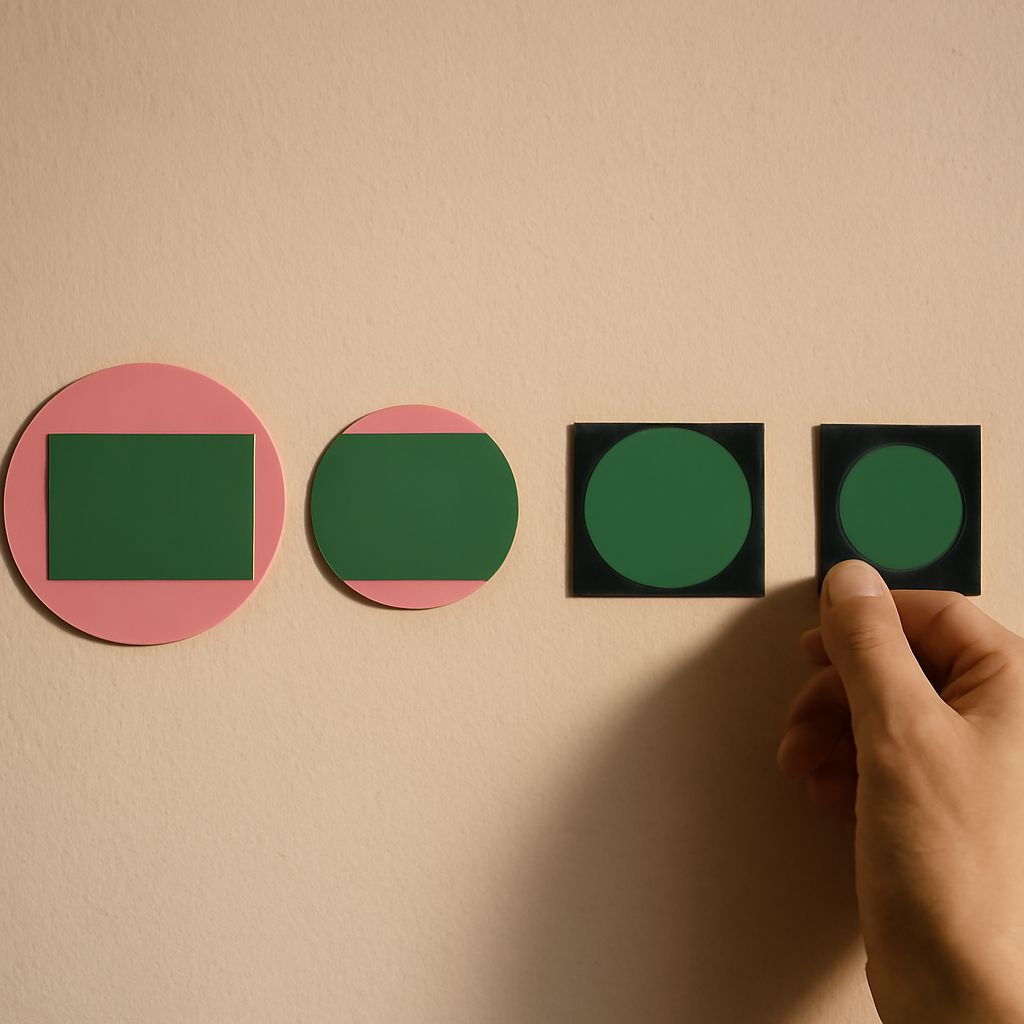
A fisheye lens is a powerful tool for photographers who want to capture unique perspectives. Unlike standard lenses, fisheye lenses bend light to produce a spherical view, resulting in a wide-angle image that covers a 180-degree field. This distinctive lens type creates a dramatic effect known as fisheye distortion, where straight lines curve, and the image appears rounded. Understanding how this distortion works and how to manage it can enhance your photography skills and open new creative possibilities.
What Is a Fisheye Lens?
Fisheye lenses are designed to capture wide panoramic shots and offer a field of view far beyond what the human eye can see. These lenses are characterized by their ultra-wide focal lengths, typically ranging from 8mm to 15mm for full-frame cameras. By curving images at the edges, fisheye lenses can encompass a broad view in a single frame. They are often used for landscape photography, architectural shots, and creative projects where an exaggerated perspective is desired.
How Fisheye Distortion Occurs
Fisheye distortion results from the lens’s ability to bend light around a spherical element, compressing vast scenes into a single image. This occurs because fisheye lenses have a very short focal length compared to their field of view. As a result, straight lines in the real world appear curved within the captured image. This distortion is most apparent at the edges of the photo where the curvature causes subjects to warp—ideal for dramatic effect but requiring careful composition to avoid unwanted distortion.
Managing Fisheye Distortion in Your Photos
While fisheye distortion can be creatively beneficial, managing it requires skill. Here are some tips:
- Composition is key: Position your subject in the center of the frame where distortion is minimal. This control helps keep the focus intact while still utilizing the lens’s unique features.
- Adjust your angle: Experiment with shooting angles to minimize distortion. Tilting the camera slightly can reduce the curvature effect at the edges.
- Post-processing techniques: Use software like Adobe Photoshop or Lightroom to correct distortion. These programs offer tools to straighten lines and adjust perspective, allowing you to refine images without losing the fisheye effect.
- Use distortion intentionally: Sometimes, embracing distortion can lead to striking compositions. Consider how the bending lines can guide a viewer’s eye to the focal point.
Creative Uses of Fisheye Photography
Fisheye photography is not just about distortion; it’s about creativity and perspective. Here are some popular applications:
- Skateboarding and action sports: Capture dynamic movements with a fisheye lens to emphasize speed and motion. The distortion accentuates tricks and adds depth to action shots.
- Architecture: Use fisheye distortion to highlight architectural features. The exaggerated curves can reveal new angles and artistic views of buildings.
- Nature and landscapes: Capture expansive scenes that convey the grandeur of a location. The wide-angle view can create striking compositions of sky and land.
- Creative portraits: Experiment with close-up portraits to create surreal effects. Fisheye distortion can transform facial features, providing a unique and whimsical result.
Ultimately, fisheye lenses offer a distinctive way to see the world, transforming ordinary scenes into extraordinary visual experiences. By understanding their function and mastering distortion control, photographers can unlock new creative possibilities.