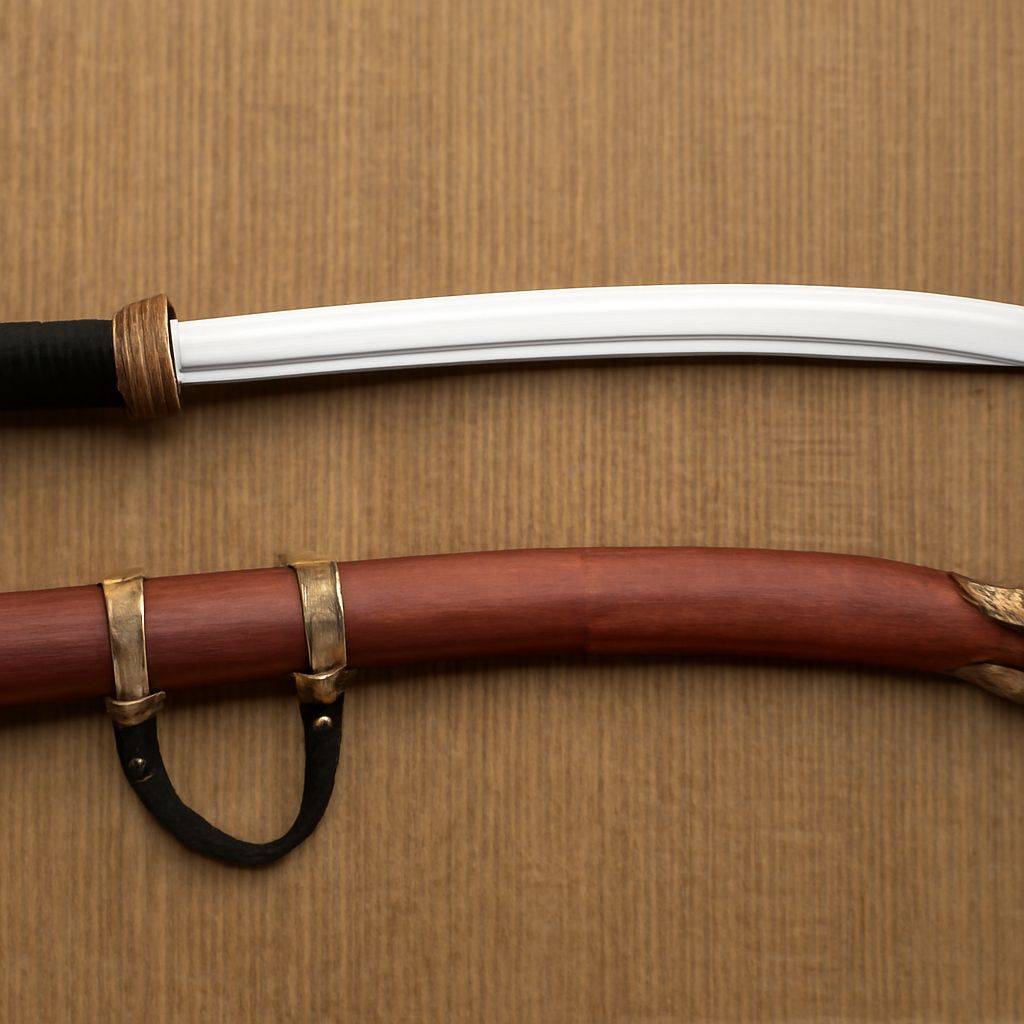
The world of Chinese swords is vast and deeply rooted in history, offering a glimpse into the rich martial traditions and cultural heritage of China. With their unique designs and significant roles in historical battles and cultural symbolism, Chinese swords have captivated enthusiasts for centuries. Ranging from the versatile Chinese long sword to the compact Chinese short sword and the formidable Chinese greatsword, each type serves a distinct purpose and holds its own place in history.
An Overview of Chinese Swords
Chinese swords, known as “jian” or “dao” depending on their form, have been integral to Chinese martial arts and military history. These swords are not just weapons but also works of art, often intricately decorated and revered for their craftsmanship. The primary classifications include the double-edged jian and the single-edged dao. Within these categories, each sword type varies in length, weight, and function, making them suitable for different combat styles and roles on the battlefield. From ceremonial uses to practical applications in martial arts, Chinese swords have evolved while retaining their traditional essence.
The Chinese Long Sword
Characteristics and Usage
The Chinese long sword, commonly referred to as the “chang jian,” is renowned for its balance and versatility. Typically measuring between 90 to 110 centimeters, this double-edged sword is designed for both cutting and thrusting, offering a range of motion that suits various martial arts techniques. Its long blade necessitates a skillful hand, making it a favored weapon among skilled swordsmen who appreciate its reach and agility. Historically, the long sword was a symbol of the scholar-warrior class in China, emphasizing both intellectual and martial prowess. Its design enables effective usage in both offensive and defensive maneuvers, highlighting its adaptability on ancient battlefields.
Understanding the Chinese Short Sword
Design and Historical Context
The Chinese short sword, or “duan jian,” is a compact weapon known for its ease of use and quick deployment in close-quarter combat. Measuring around 50 to 70 centimeters, the short sword is ideal for fast, precise strikes. Its lightweight nature allows for swift movements, making it an excellent choice for self-defense and martial arts training. Historically, short swords were often carried as a sidearm or concealed weapon by travelers and civilians for protection. This type of sword has been celebrated in Chinese literature and folklore, embodying the spirit of personal defense and agility.
Exploring the Chinese Greatsword
Significance and Legacy
The Chinese greatsword, known as “da dao” or “zhanmadao,” stands out for its impressive size and formidable presence. This sword can exceed lengths of 150 centimeters, and its substantial weight provides powerful cutting force, making it a fearsome weapon against armor and cavalry. The greatsword’s design is often more robust, with a broad blade that allows for massive, sweeping strikes capable of overwhelming opponents. Historically, the greatsword was used by infantry soldiers and was particularly effective in open-field battles. It symbolizes strength and martial prowess, often depicted in historical dramas and martial arts films for its dramatic and imposing nature.
In the rich tapestry of Chinese history, swords have played a crucial role—not just as weapons, but as symbols of personal honor and national pride. Whether wielding a long sword with poised elegance, a short sword with agile precision, or a greatsword with unyielding force, each type of Chinese sword offers a window into the martial and cultural essence of ancient China.