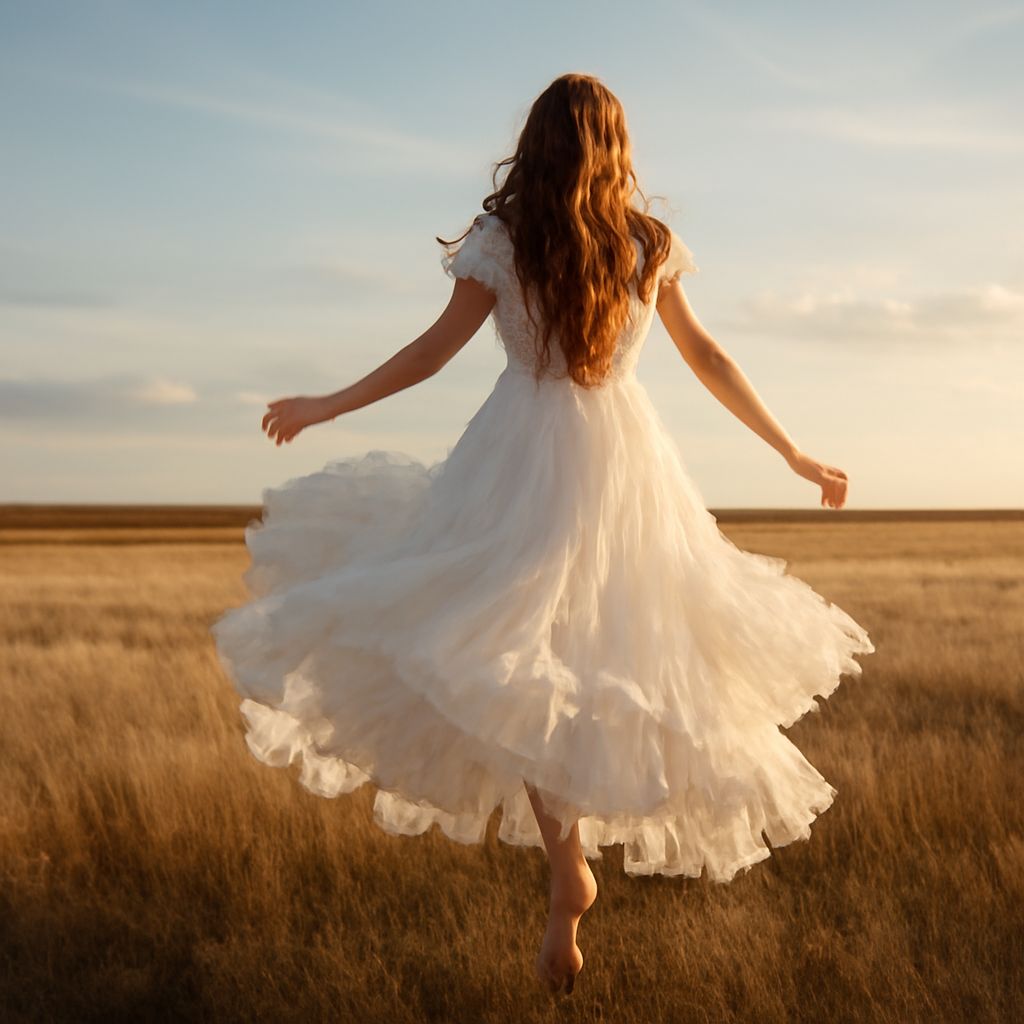
A chair beside a window can look ordinary at noon and quietly dramatic an hour before sunset. The chair has not changed. The light has. A monthlong photographic challenge turns such small differences into material for practice, with each week adding a new way to observe and a final comparison showing what has changed.
A camera or phone and time on several days each week are enough. The aim is to examine and adjust deliberate choices.
Set a Baseline
At the start, the photographer chooses an accessible subject and makes one image without extensive preparation. A kitchen table or familiar sidewalk can work; include enough surroundings to show the setting.
Save this first frame separately and note the date, light, position, and intention. A brief note such as “show the chair as a quiet place to sit” is enough. The photography challenge will return to the same subject in the final week.
Week 1: Watch the Light
Photograph the same subject at three different times or under three different lighting conditions. The goal of this photographic exercise is to make the direction and quality of light visible. Side light may reveal the texture of a wall; a soft overcast sky may reduce hard-edged shadows. A lamp moved indoors can provide an alternative.
Compare the frames at the same size. Look at the brightest and darkest areas, the shape of the shadows, and the part of the scene that draws the eye first. Write down which lighting best serves the intended mood and why. The technical setting matters less here than the effect it produces.
Week 2: Change the Frame
Choose a subject and make three photographs from different positions: close, farther away, and from a different height. Composition is the arrangement of elements within the frame. The goal is to see how position changes that arrangement before relying on cropping later.
In a close view, a worn handle might become the subject; in a wider frame, the door and surrounding wall give it a context. Select one frame and describe what the edges include or exclude. Then compare it with the others.
Week 3: Photograph a Relationship
Make a small sequence of three images showing a relationship: a person with a workspace, a plant with the window it depends on, or an object with the hands that use it. This photographic practice exercise aims to connect a subject to its surroundings rather than isolate it.
If a person is involved, explain the project, ask permission, and discuss whether the image will be shared. An alternative without an identifiable person can serve the same exercise. One frame might establish the place, another show an action, and a third reveal a detail. Put them in order and check whether the sequence communicates something that no single frame does alone.
The project can also reveal what a photograph leaves out. A close view of hands may protect privacy while losing facial expression; a wide view may add context while exposing personal details. Both choices affect the viewer’s understanding.
Week 4: Return and Compare
Revisit the first subject and make a second image with the same intention. Use what the earlier weeks revealed: wait for more suitable light, move to a clearer position, or include a detail that gives the place meaning. This second photo challenge is not a demand to reproduce the first frame exactly. It is a chance to make more conscious decisions.
Place the two images side by side. Compare the direction of light, the placement of the subject, the edges of the frame, and whether each photograph supports the original intention. Name one specific improvement and one choice that remains unresolved. If the first picture works better, identify why; progress can also mean recognizing a strength that was accidental.
Keep the Evidence of Change
A useful photography challenge records attempts and decisions. A contact sheet—a grid of several photographs displayed together—can show patterns that disappear when images are viewed one at a time. Keep a few unsuccessful frames alongside the selected ones and note what each taught.
The next photographic assignment can be smaller than the first: choose one unresolved question from the comparison, make three new frames that test it, and save the results beside the original pair.