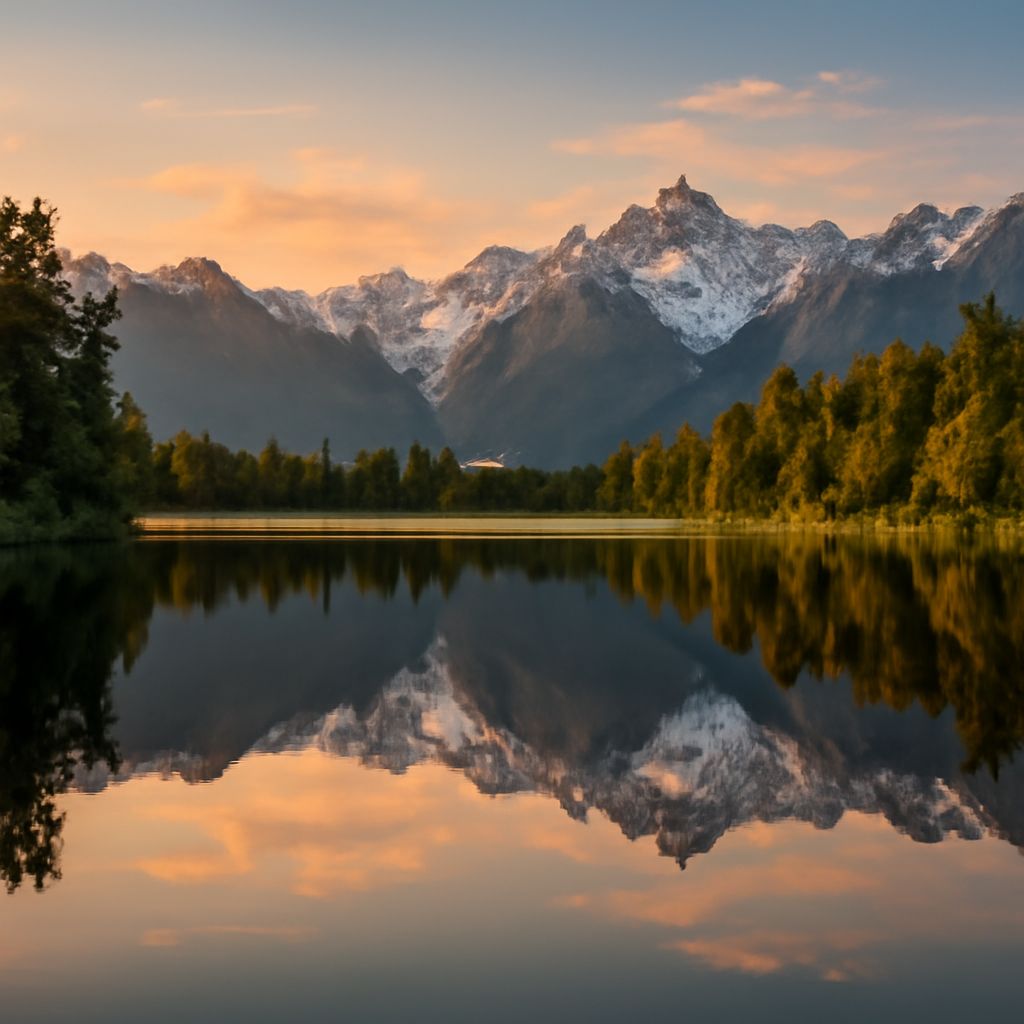
Capturing breathtaking landscapes requires the right lens to ensure you’re truly doing justice to nature’s beauty. Choosing the best lens for landscape photography involves understanding the features and advantages of different lenses to find the one that best suits your style. In this article, you’ll discover top landscape photography lenses, factors to consider when selecting one, and tips for using your chosen lens effectively.
Understanding Landscape Photography Lenses
When it comes to landscape photography, the type of lens you use can significantly impact your final image. Wide-angle lenses are commonly preferred due to their ability to capture expansive scenes. These lenses typically range from 10mm to 35mm, allowing you to include more of the landscape in your frame. On the other hand, telephoto lenses, ranging from 70mm to 200mm, can be useful for isolating specific features within a scene, offering a different perspective.
Top Lenses for Landscape Photography
Several lenses stand out as excellent choices for landscape photography. The Canon EF 16-35mm f/2.8L III USM lens is renowned for its sharpness and wide perspective, making it a favorite among many photographers. Another popular option is the Nikon AF-S NIKKOR 14-24mm f/2.8G ED, which offers exceptional image quality and edge-to-edge sharpness.
If you’re a fan of prime lenses, the Sigma 20mm f/1.4 DG HSM Art lens provides outstanding clarity and low-light performance. For those using mirrorless cameras, the Sony FE 16-35mm f/2.8 GM lens is a top choice with its excellent optical performance and versatile focal range.
Factors to Consider When Choosing a Landscape Lens
When selecting a landscape lens, several factors should be considered. First, consider the focal length; wide-angle lenses allow for capturing vast landscapes, while telephoto lenses can isolate specific elements.
Another critical factor is the aperture. A lens with a wider aperture (lower f-number) can capture more light, making it invaluable in low-light conditions such as dawn or dusk. However, for landscapes, you’ll often shoot at smaller apertures (higher f-number) to increase depth of field and ensure sharpness throughout the scene.
The build quality and weight of the lens are also essential, particularly if you’re hiking or traveling. Weather resistance and durability can be crucial when shooting in rugged outdoor conditions.
Tips for Using Your Landscape Photography Lens
Once you’ve chosen the best landscape photography lens for your needs, it’s time to make the most out of it. Always ensure your camera is stable; using a tripod can prevent camera shake and allow for longer exposures.
Experiment with different angles and perspectives. Sometimes the best view isn’t standing straight; crouch down or find an elevated spot. Also, consider using filters like polarizers or neutral density filters to enhance colors and control exposure.
Finally, practice patience and timing. The best light for landscape photography often occurs during golden hours, so plan your shoots around sunrise or sunset for the most dramatic effects. Remember, the key to capturing stunning landscapes is not just in the lens but in how you use it to frame and interpret the world around you.