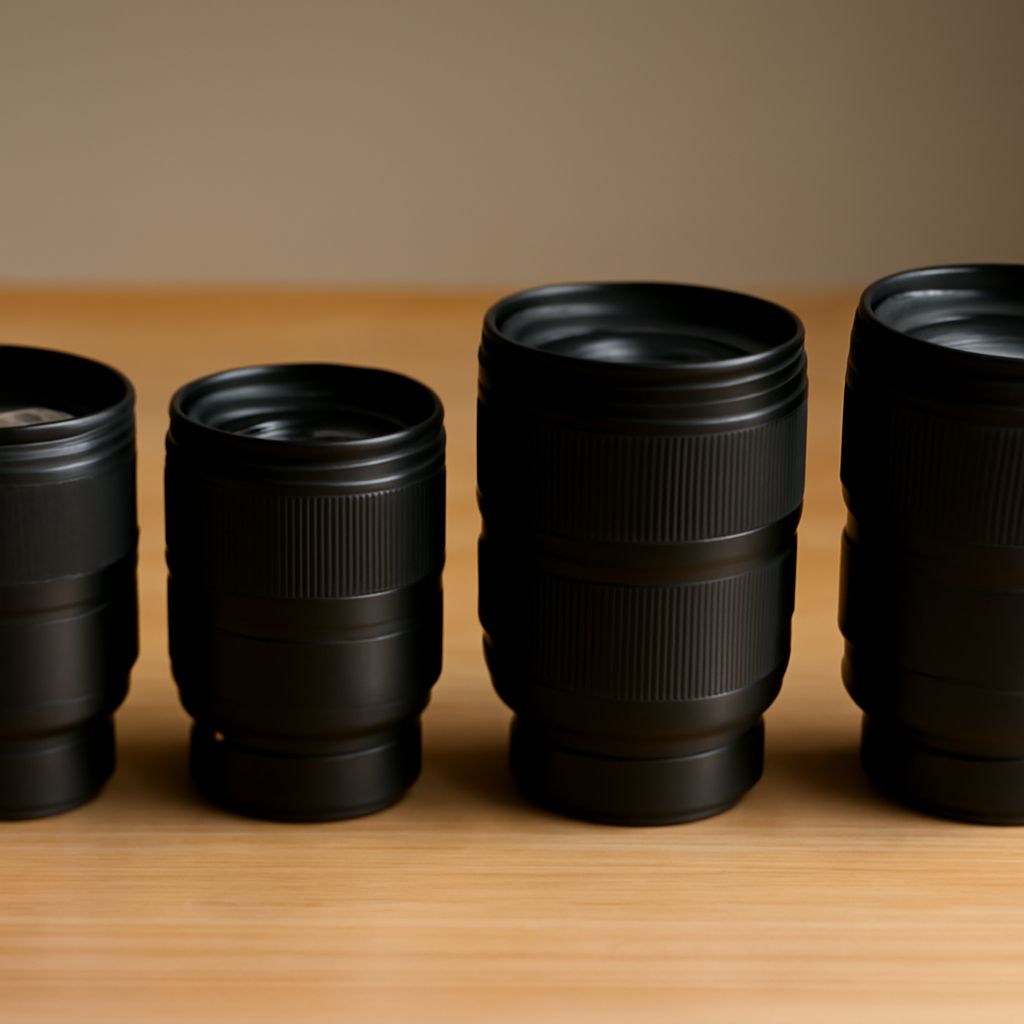
Capturing the night sky in all its glory requires not just skill, but the right equipment. The best lens for astrophotography can make a world of difference in the quality of your images. With a plethora of choices available, selecting the perfect lens might seem daunting. This guide explores top picks, essential features, and tips to elevate your astrophotography to new heights.
Understanding Astrophotography Lenses
Astrophotography lenses are specially designed to capture the intricacies of the night sky. Unlike standard lenses, these lenses have features that minimize distortion and enhance light-gathering capability. Whether you’re aiming to photograph star constellations, the Milky Way, or distant galaxies, an astrophotography lens is crucial in ensuring clarity and detail.
Top Picks for the Best Astrophotography Lenses
When it comes to selecting the best lens for astrophotography, several options stand out due to their performance and reliability:
- Rokinon 14mm f/2.8: Known for its wide angle and fast aperture, this lens is perfect for capturing expansive star fields and the Milky Way.
- Sigma 14mm f/1.8 Art: With a faster aperture than the Rokinon, it excels in low-light conditions and offers exceptional sharpness across the frame.
- Canon EF 24mm f/1.4L II USM: This lens provides a combination of wide-angle and fast aperture, making it versatile for various astrophotography scenes.
- Nikon AF-S NIKKOR 14-24mm f/2.8G ED: Renowned for its edge-to-edge sharpness and minimal distortion, it’s a top choice for Nikon users.
- Sony FE 24mm f/1.4 GM: Offers excellent performance with minimal aberrations, ideal for Sony mirrorless cameras.
Key Features to Look for in an Astrophotography Lens
To find the best astrophotography lens, consider these essential features:
- Wide Aperture: A wide aperture (f/2.8 or lower) allows more light into the camera, essential for night photography.
- Focal Length: Generally, a focal length between 14mm and 24mm is ideal for wide-field astrophotography, capturing more of the sky in each shot.
- Sharpness: High sharpness across the entire frame ensures stars appear as crisp points rather than blurry blobs.
- Low Distortion: Look for lenses with minimal distortion to keep stars from appearing stretched, especially near the edges.
Tips for Capturing Stunning Night Sky Photos
To maximize your astrophotography outcomes, follow these expert tips:
- Use a Sturdy Tripod: Stability is key in long-exposure photography, preventing camera shake from blurring stars.
- Optimal Settings: Start with an aperture of f/2.8, ISO of 1600-3200, and a shutter speed of 15-30 seconds. Adjust as needed based on your lens and conditions.
- Manual Focus: Autofocus struggles in the dark. Switch to manual focus and use live view to focus on the brightest star you see.
- Scout Locations: Light pollution can inhibit your ability to capture stars. Seek out dark sky locations for the best results.
- Post-Processing: Use editing software to enhance details and contrast in your images, bringing out the beauty of the night sky.
Choosing the right lens and employing the proper techniques can transform your astrophotography experience, unveiling the night sky’s hidden wonders in stunning detail.