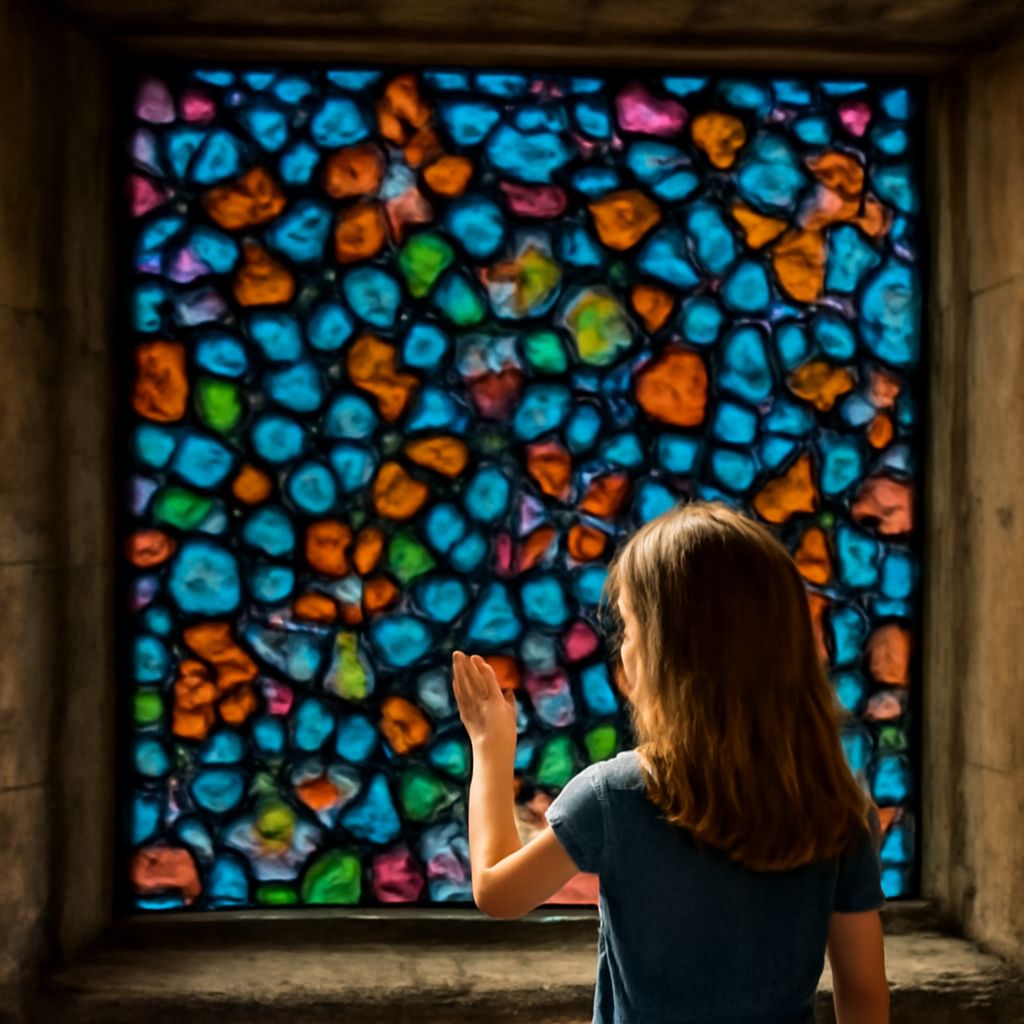
Stained glass colors have long captured the imagination of artists and admirers alike. From the intricate windows of medieval cathedrals to modern installations in contemporary spaces, the vibrant hues of stained glass bring light to life in a unique way. The allure of stained glass lies not only in its beauty but also in the history, methods, and emotional resonance that these colors evoke.
The History and Evolution of Stained Glass Colors
The use of stained glass dates back to ancient times, with early examples found in both Roman and Egyptian cultures. However, it was during the medieval era that stained glass truly flourished, particularly in the Gothic cathedrals of Europe. Craftsmen of the time developed techniques to produce vivid colors by adding metallic salts to the glass during its molten state. Each color had its own symbolic meaning: blue for heaven, red for the passion of Christ, and green for rebirth.
Over the centuries, the art of stained glass continued to evolve. The Renaissance period brought about more sophisticated designs and an expanded color palette. By the 19th century, the Arts and Crafts movement revived interest in traditional methods while also experimenting with new techniques, leading to the diverse range of colors we see today. Modern technological advancements have further expanded the possibilities, allowing for a wide spectrum of hues and intricate patterns.
Techniques for Creating Vibrant Stained Glass
Crafting stained glass is both an art and a science. The process begins with the selection of glass, which can be clear or pre-colored. Artists then apply various techniques to achieve the desired colors and effects. One common method is glass painting, where pigments are applied to the surface of the glass and then kiln-fired to fuse the colors permanently.
Another technique is flashing, where a thin layer of colored glass is fused to a clear or different colored sheet, allowing artists to etch away sections to create intricate designs. The plating method involves layering different pieces of glass to achieve a unique depth and range of colors. These techniques can be combined to create stunning visual effects, from the rich reds and blues of traditional designs to the subtle gradients found in modern art.
The Emotional Impact of Color in Stained Glass
The colors in stained glass do more than just please the eye; they evoke powerful emotions and set the tone of a space. The interplay of light and color can transform a room, creating an atmosphere of peace, reverence, or excitement. For instance, deep blues and purples can create a sense of calm and introspection, while bold reds and yellows can energize and inspire.
In religious settings, stained glass colors often carry symbolic meanings, enhancing the spiritual experience. Meanwhile, in secular spaces, the same colors might be used to create a connection with nature or reflect a modern aesthetic. The ability of stained glass to evoke emotional responses is a testament to its enduring appeal and versatility.
Contemporary Uses of Stained Glass in Art
Today, stained glass is not confined to traditional settings. Contemporary artists are exploring new ways to incorporate stained glass into their work, pushing the boundaries of this ancient art form. From large-scale installations in public spaces to intimate pieces in private homes, stained glass continues to captivate audiences with its dynamic interplay of color and light.
In urban environments, stained glass is often used to add color and interest to otherwise stark architectural designs. Artists are also experimenting with modern themes and abstract designs, using stained glass as a medium to explore issues such as identity, nature, and technology. Whether through intricate patterns or bold, minimalist designs, contemporary stained glass art reflects the diversity and creativity of the modern world.
Stained glass colors, with their rich history and emotional depth, continue to inspire and enchant artists and viewers alike. The fusion of light, color, and craftsmanship offers endless possibilities, ensuring that stained glass remains a vibrant art form for generations to come.