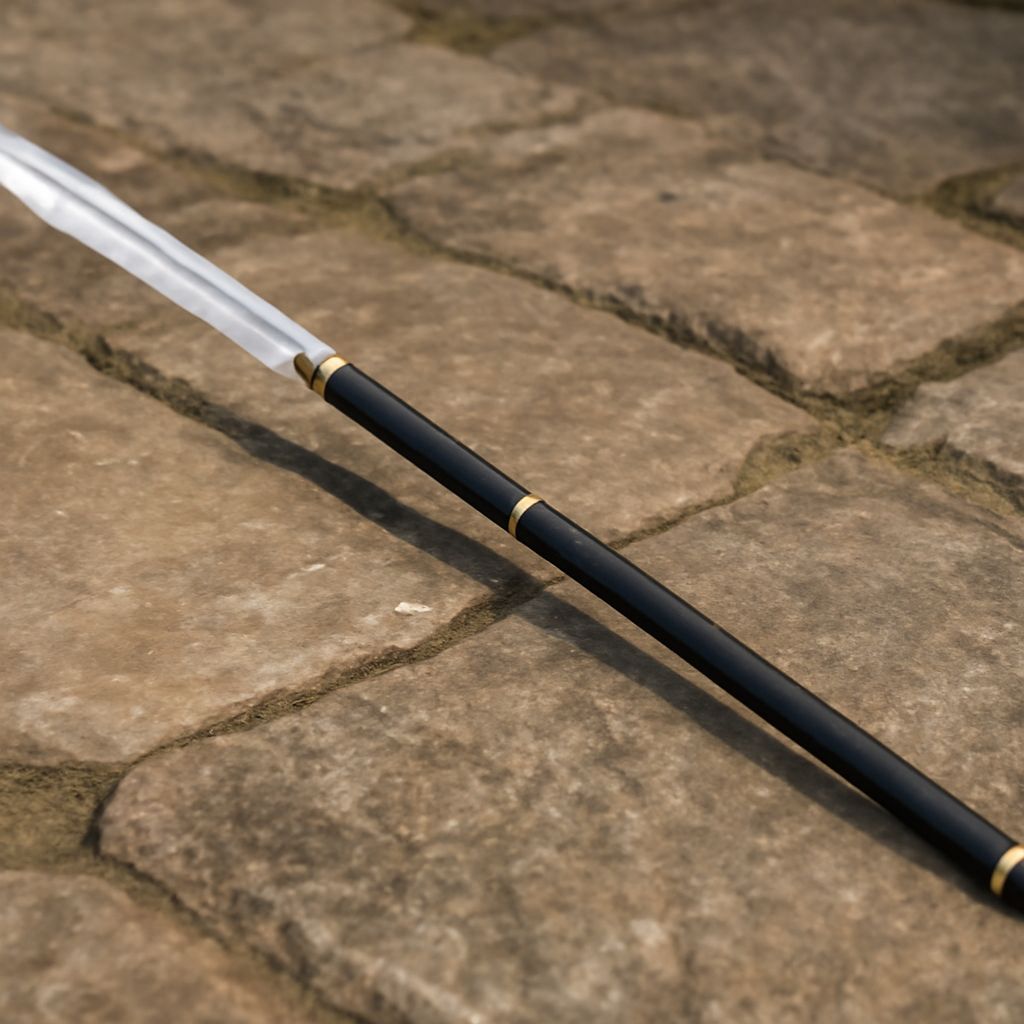
The yari spear is a captivating symbol of Japanese martial prowess, deeply ingrained in the annals of samurai history. This versatile weapon has influenced both the battlefield strategies and cultural expressions of Japan. Exploring its origins, cultural significance, and artistic representations reveals the profound impact of these Japanese spears throughout history.
The Origins and Development of the Yari Spear
The yari spear, distinctively long and straight, became prominent in Japan during the Kamakura period (1185–1333). Initially influenced by Chinese spear designs, the yari evolved to suit the tactical needs of Japanese warfare. Its development marked a shift from the bow and arrow dominance to close-combat weaponry. The spear’s length, typically ranging from two to six meters, allowed samurai to engage opponents at a distance, a tactical advantage crucial during battles.
Throughout the Muromachi period (1336–1573), the yari spear underwent further innovation, with various blade shapes such as su yari (straight spear) and kama yari (sickle spear) emerging. These adaptations catered to different combat scenarios, enhancing the samurai’s capability on the battlefield. The yari became an integral part of the samurai arsenal, symbolizing both martial skill and strategic thinking.
The Role of the Yari in Samurai Culture
Beyond its practical application, the yari spear held significant cultural importance among the samurai. It was not merely a tool of war but a representation of the warrior’s honor and dedication to duty. Mastery of the yari was considered an art form, requiring rigorous training and discipline. The prowess with which a samurai wielded the spear often determined their status and reputation within their clan.
The yari’s prominence rose during the Sengoku period (1467–1615), a time of constant military conflict in Japan. During this era, large infantry units known as ashigaru were equipped with spears, shifting the focus from individual combat to coordinated group tactics. This change underscored the spear’s strategic value, reinforcing its status as a quintessential samurai weapon.
Artistic Representations of Japanese Spears
The influence of the samurai spear extends beyond the battlefield into the realm of art. Japanese spears, including the yari, are frequently depicted in historical paintings, woodblock prints, and samurai armor exhibitions. These artistic expressions celebrate the aesthetic qualities of the spear and the valor of those who wielded it.
Famous artists like Utagawa Kuniyoshi and Katsushika Hokusai have depicted samurai in action with their yari, capturing the drama and dynamism of battle scenes. These works not only emphasize the physical attributes of the spear but also the warrior ethos it embodies. The yari, in these representations, transcends its function as a weapon, becoming a symbol of cultural identity and artistic inspiration.
Yari Spears in Modern Exhibitions
Today, the legacy of the yari spear continues to be celebrated in museums and cultural exhibitions around the world. Institutions like the Tokyo National Museum and the Kyoto National Museum feature extensive collections of samurai weapons, including the yari. These exhibitions provide valuable insights into the craftsmanship and historical context of these remarkable spears.
Contemporary interest in martial arts and historical weaponry has also spurred reenactments and demonstrations, allowing audiences to experience the grace and skill associated with the yari. Such events highlight the enduring legacy of the samurai spear, connecting modern spectators with Japan’s rich martial heritage.
Whether displayed in an art gallery or wielded in a historical reenactment, the yari spear remains a potent emblem of Japan’s past, a testament to the artistry and valor of the samurai warriors who once carried it into battle.