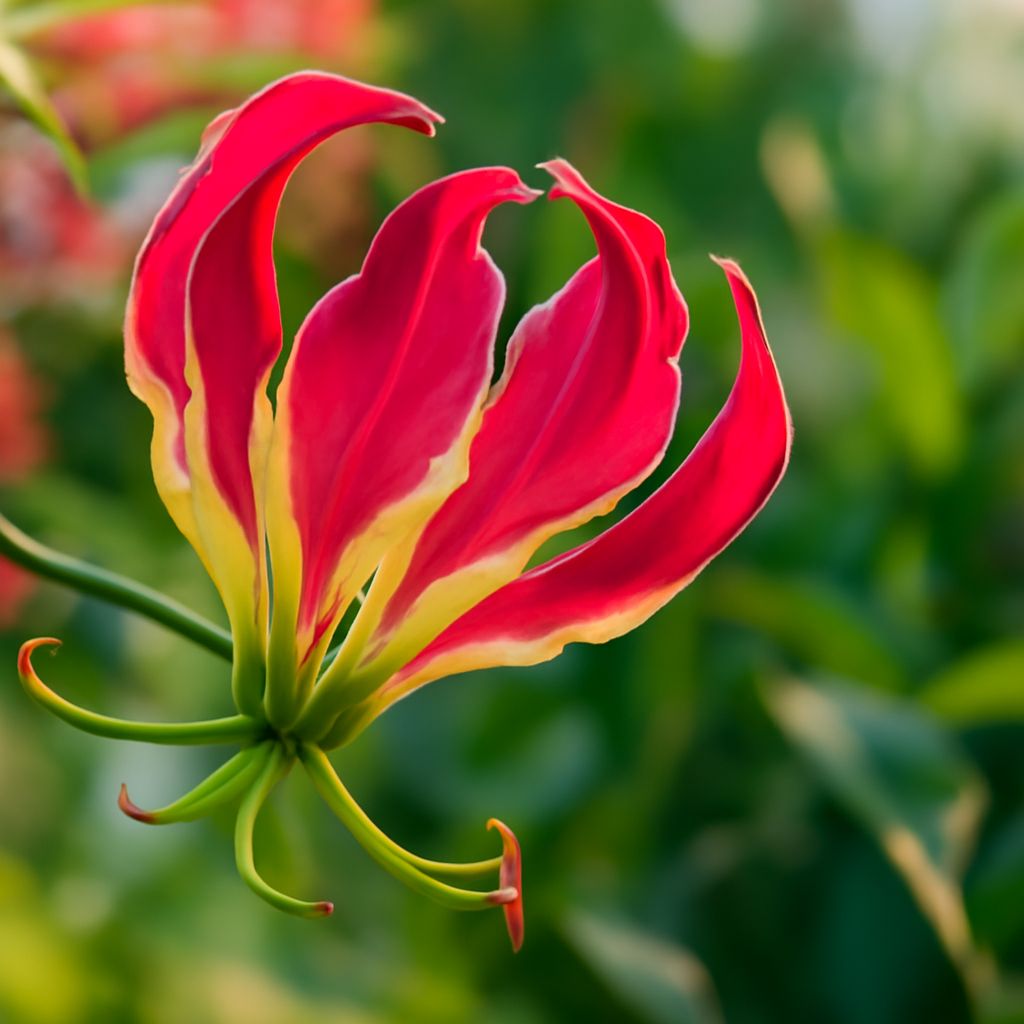
The morning glory flower enchants with its vibrant colors and delicate blooms that greet the dawn. Its ephemeral beauty and tendency to open with the sunrise have imbued it with rich meanings across cultures and time. Understanding the morning glory flower meaning offers insight into its role in art, culture, and modern interpretations.
Introduction to Morning Glory Flowers
Morning glories, known scientifically as Ipomoea, are climbing plants that thrive in warm climates. Their striking blue, pink, purple, and white flowers open in the morning and close by afternoon, symbolizing the fleeting nature of life. This characteristic contributes to the morning glory symbolism of renewal and the cyclical nature of existence.
Cultural Significance of Morning Glory
In various cultures, the morning glory holds significant meaning. In Victorian England, it represented love in vain due to its brief bloom. In Japan, the asagao is associated with summer and the transient beauty of early mornings. Mesoamerican cultures revered it for its medicinal and hallucinogenic properties, using it in spiritual rituals.
Symbolism in Art and Exhibitions
The morning glory flower meaning extends into the world of art, where it’s often depicted in paintings and literature as a symbol of life’s cyclical nature. Artists have long been fascinated by its vibrant yet transient blooms, using it to convey themes of renewal and ephemeral beauty. Exhibitions frequently feature morning glories to evoke feelings of nostalgia and the passage of time.
Modern Interpretations and Uses
Today, morning glories are appreciated not just for their beauty but also for the symbolism they carry. Gardeners plant them to symbolize renewal and to add aesthetic appeal. They are also used in floral arrangements and tattoos to represent new beginnings and resilience. The morning glory continues to inspire, reminding us of the beauty in transformation and the promise of a new day.