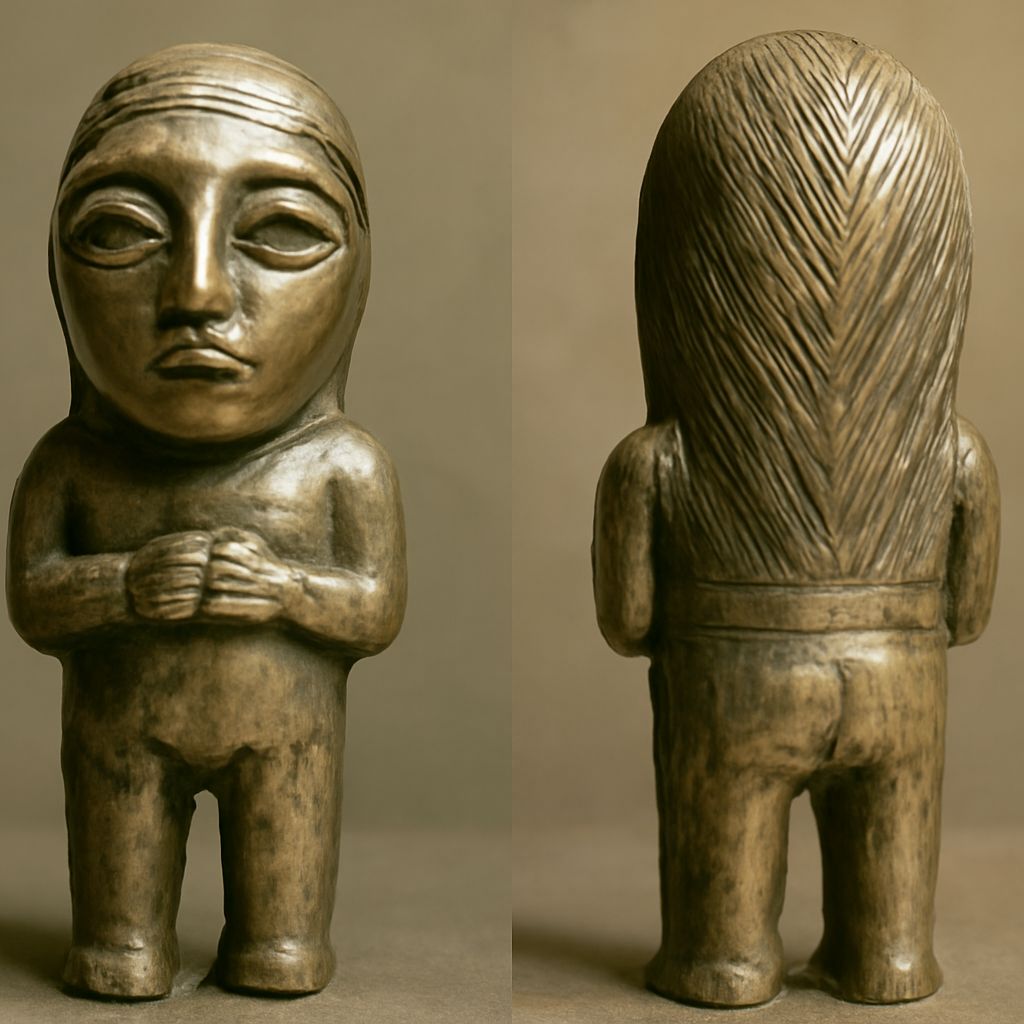
The Inca Empire, a beacon of ancient civilization, left behind a rich tapestry of art and artifacts that continue to captivate historians and art enthusiasts alike. Inca art is a reflection of their sophisticated society, embodying both aesthetic beauty and cultural depth. From intricate textiles to monumental architecture, the legacy of Inca artistry offers profound insight into their world.
The Origins and Significance of Inca Art
Inca art finds its roots in a civilization that flourished in the Andean region of South America from the early 15th century until the Spanish conquest in the 16th century. This artistic tradition is deeply intertwined with their daily life, religious beliefs, and administrative systems. The Incas used art not only for decorative purposes but also as a means to convey messages and record important historical events. Their artworks often depicted deities, mythological narratives, and elements from nature, underscoring the cultural importance and spiritual significance of art in their society.
Unique Characteristics of Inca Artifacts
Inca artifacts are renowned for their exceptional craftsmanship and intricate designs. The Incas employed a variety of materials, including gold, silver, textiles, and ceramics, to create objects that were both functional and symbolic. One of the most distinctive features of Inca artifacts is the use of symmetry and geometric patterns, often reflecting their advanced understanding of mathematics and astronomy. Textiles, in particular, played a crucial role in Inca culture, with finely woven garments that demonstrated both status and skill. The use of vibrant colors and natural dyes in these textiles further highlights their artistic prowess.
Famous Inca Art Pieces and Their Stories
Among the most celebrated Inca art pieces is the gold statue of Inti, the sun god, which once adorned the Temple of the Sun in Cusco. This statue symbolized the Incas’ deep reverence for the sun, a vital deity in their pantheon. Another notable artifact is the Khipu, a complex system of knotted strings used for record-keeping and storytelling. Each knot and color conveyed specific information, showcasing the ingenuity of Inca communication methods. The discovery of Machu Picchu, with its stunning stonework and architectural precision, also stands as a testament to the Incas’ artistic and engineering achievements.
Influence of Inca Art on Modern Culture
The influence of Inca art extends far beyond its historical origins, inspiring modern artists and designers worldwide. The geometric patterns and vivid colors found in Inca textiles have been adapted into contemporary fashion and interior design, while the architectural ingenuity of sites like Machu Picchu continues to captivate architects and engineers. Inca-inspired motifs can also be found in jewelry and graphic design, demonstrating the timeless appeal and versatility of their artistic legacy. As modern culture increasingly values sustainability and craftsmanship, the principles underlying Inca art offer valuable lessons in harmony with nature and respect for skilled artisanship.