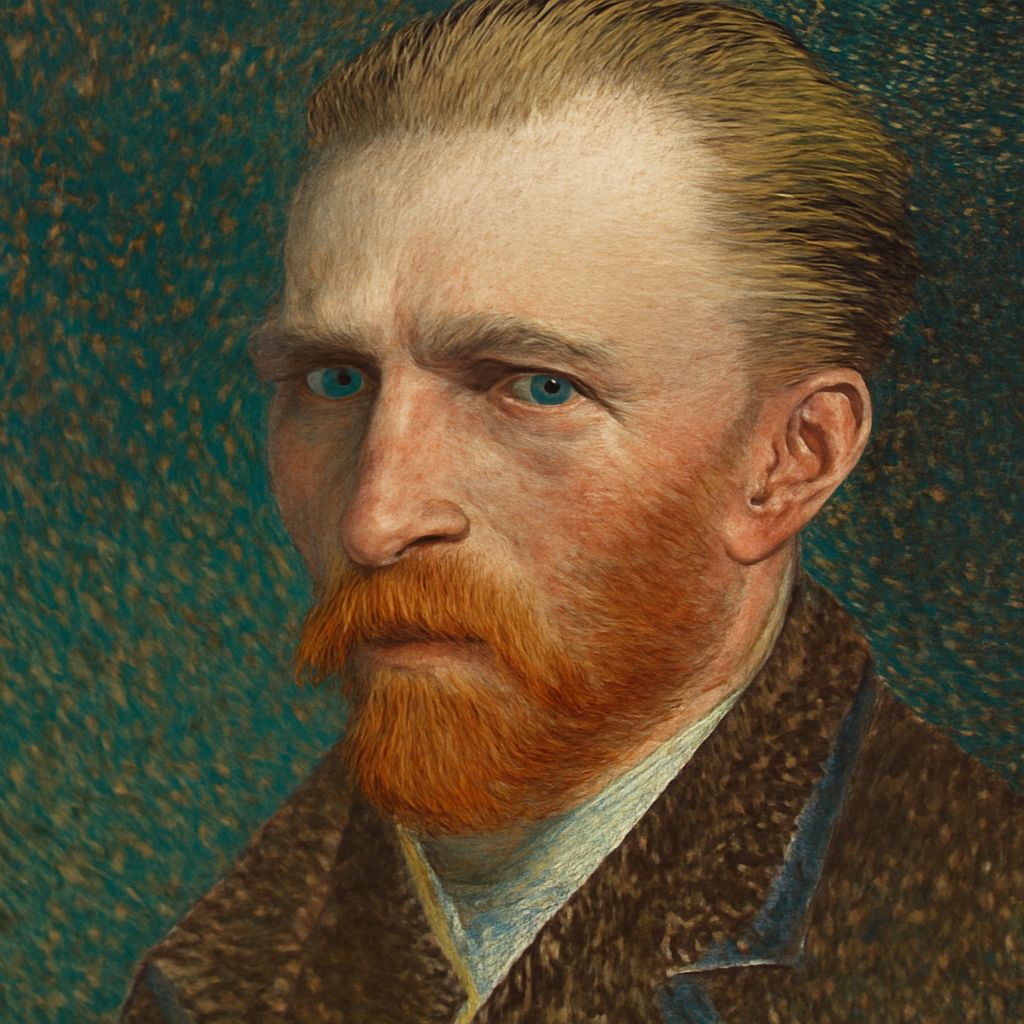
Embarking on an artistic journey requires an understanding of art fundamentals. These foundational concepts, often referred to as art basics, are essential for anyone looking to elevate their creative skills. Whether you’re sketching, painting, or sculpting, mastering these principles can dramatically enhance your work.
What Are Art Fundamentals?
Art fundamentals are the essential building blocks of visual art that every artist must understand to create compelling and balanced artworks. These principles include elements like line, shape, color, texture, value, space, and form. Each element plays a crucial role in the composition and expression of art.
The Importance of Learning Art Basics
Grasping art basics is vital for developing a solid foundation in art. These principles guide artists in creating work that is visually appealing and conceptually strong. Understanding these basics allows for greater creativity, as artists can deliberately manipulate elements to convey meaning and emotion.
Key Concepts in Art Fundamentals
- Line: Lines can vary in width, direction, and length. They create boundaries and define shapes or forms.
- Shape: Shapes are two-dimensional areas with defined edges. They can be geometric or organic.
- Color: Color theory involves understanding the color wheel, complementary colors, and the emotional impact of different hues.
- Texture: Texture refers to the surface quality of an object, which can be real (tactile) or implied (visual).
- Value: This refers to the lightness or darkness of a color, crucial for creating depth and emphasis.
- Space: Space is the area around and between objects. Artists use positive and negative space to create balance.
- Form: Forms are three-dimensional shapes expressing volume and thickness. They can be viewed from different angles.
Practical Tips for Applying Art Basics
To effectively apply art basics, practice is essential. Start by sketching regularly to explore lines and shapes. Experiment with colors by creating a color chart and mixing paints to understand their interactions. Pay attention to texture by incorporating different materials and techniques in your work.
- Practice Sketching: Daily sketching helps refine your understanding of line and shape.
- Experiment with Color: Use a limited palette to practice mixing and creating harmonious color schemes.
- Explore Textures: Try different mediums like charcoal or watercolor to see how they affect surface texture.
- Use Value: Create studies that emphasize highlights and shadows to understand value.
- Balance Space and Form: Arrange objects in your artwork thoughtfully to create dynamic compositions.
By immersing yourself in these practices, you not only reinforce the fundamentals but also develop a unique artistic voice. Remember, the key to mastering art fundamentals is consistency and an open mind to experimentation.