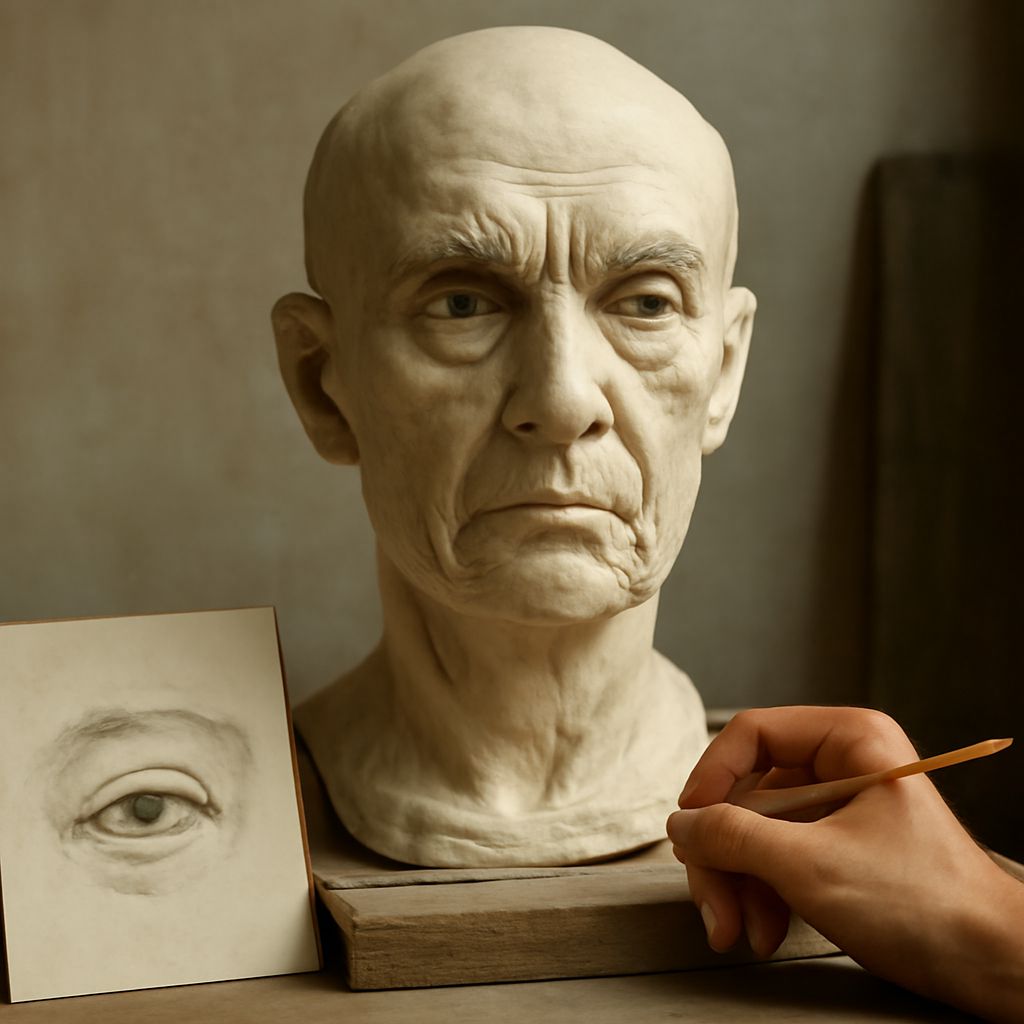
Creating a lifelike portrait requires a deep understanding of facial proportions. These proportions are the foundation that helps artists achieve balance and realism. Whether you’re a budding artist or a seasoned pro, mastering these skills will enhance your facial proportions drawing techniques and elevate your work to new heights.
The Importance of Facial Proportions
Facial proportions are crucial in drawing because they establish the structure and harmony within a face. Without correct proportions, even the most detailed artwork can appear unnatural or distorted. Accurate proportions ensure that each feature aligns correctly, contributing to the overall balance of the portrait. This balance is what gives a drawing its lifelike quality, allowing viewers to connect with the subject on a deeper level.
Key Elements of Facial Proportions
Understanding the key elements of facial proportions is the first step towards mastering portrait drawing. Here are some essential components:
- Vertical Divisions: The face is typically divided into three equal vertical sections – from the hairline to the brow, the brow to the base of the nose, and the base of the nose to the chin. This division helps position facial features accurately.
- Horizontal Alignments: Align the eyes, nose, and mouth horizontally across the face. The eyes are generally located halfway down the head, with the space between them typically equal to the width of one eye.
- Nose and Ears: The base of the nose aligns with the bottom of the ears, and the top of the ears aligns with the brow line, ensuring a consistent side profile.
- Symmetry: While perfect symmetry is rare in real faces, aiming for symmetry in drawing creates a more harmonious appearance.
Techniques for Drawing Facial Proportions
Implementing effective techniques is essential for accurately rendering facial proportions. Here are some methods to assist you:
- Use Guidelines: Start with light pencil lines to sketch out the basic proportions of the face. These guidelines serve as a roadmap for placing features correctly.
- Measure with a Pencil: Holding a pencil at arm’s length, measure the distance between features on your live model or reference image to maintain accurate proportions.
- Practice with Grids: Drawing grids over reference images can help break down complex features into manageable parts, making it easier to replicate the proportions on your canvas.
- Regular Practice: Consistent practice is key. Draw different faces and angles to build a comprehensive understanding of how proportions vary with perspective and expression.
Common Mistakes and How to Avoid Them
Even skilled artists can struggle with facial proportions. Here are common pitfalls and ways to avoid them:
- Ignoring the Skull Structure: Remember, the underlying skull shape influences surface features. Study skull anatomy to improve your understanding of how facial features sit and move.
- Overemphasis on Details Early: Focus on getting the proportions right before adding intricate details. This ensures that the final piece remains balanced.
- Misplacing Features: Use vertical and horizontal guidelines to keep features aligned and proportionate. Constantly check proportions against your reference.
- Neglecting Asymmetry: While aiming for symmetry, remember that slight asymmetries add realism to a portrait. Study real faces to understand these nuances.
By understanding and applying these principles of facial proportions, artists can create portraits that not only capture a likeness but also convey the intended emotion and personality of the subject. Consistent practice and observation are your allies in this artistic journey.