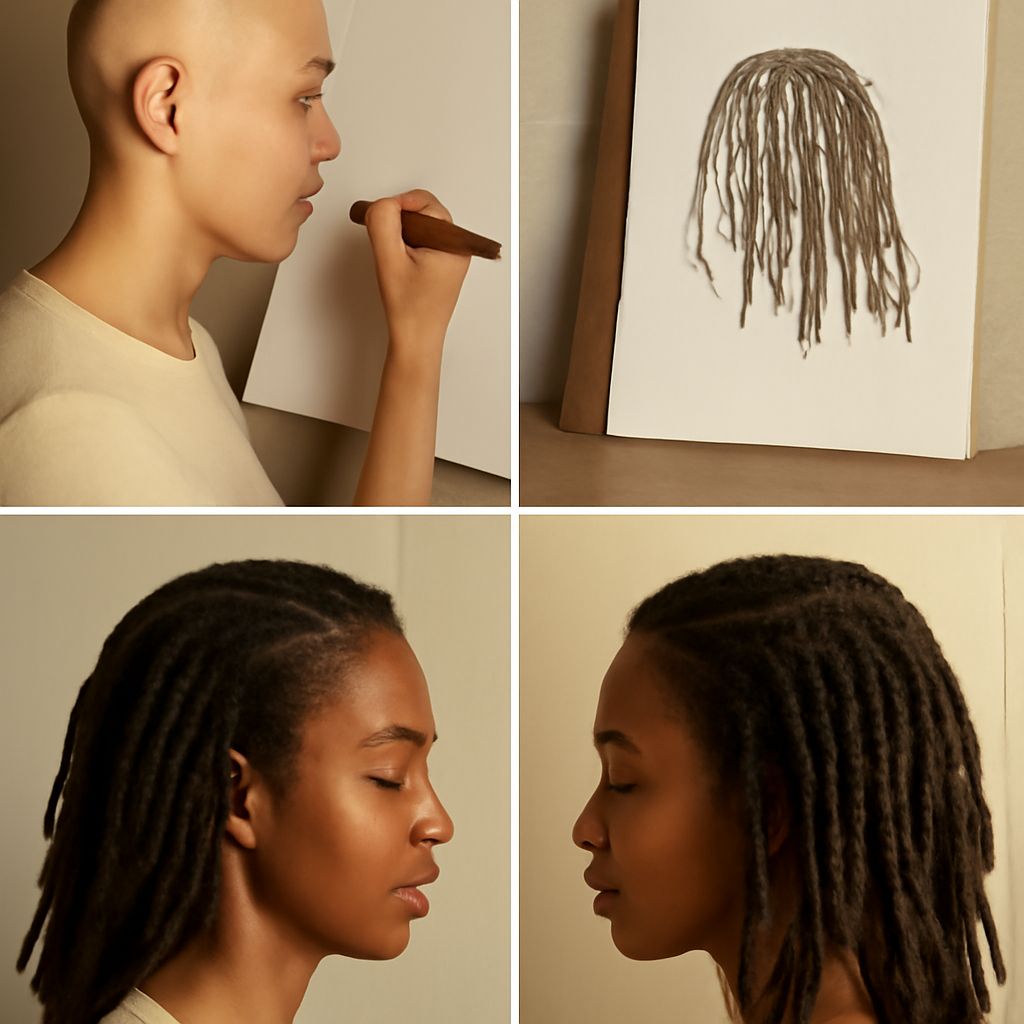
Dreadlocks, or dreads, are a distinctive and culturally rich hairstyle that can add depth and character to any drawing. This guide will walk you through how to draw dreads, providing tips and techniques for capturing their unique texture and flow. Whether you’re a beginner or a seasoned artist, these steps will help you create realistic and engaging illustrations.
Understanding the Structure of Dreads
Before you start drawing dreads, it’s critical to understand their structure. Dreadlocks are essentially matted ropes of hair that vary in thickness, length, and texture. They can be smooth or fuzzy, tight or loose, and their appearance changes over time. Observing real-life dreads or reference images can give you a better sense of their form and movement.
Materials Needed for Drawing Dreads
- Pencils: Use a range of pencils from hard (H) to soft (B) to create different textures.
- Eraser: A kneaded eraser helps in refining details without damaging the paper.
- Paper: Choose smooth or textured paper based on the desired effect.
- Blending Stumps: Useful for creating smooth transitions and adding depth.
Step-by-Step Guide to Drawing Dreads
- Start with a Basic Outline: Sketch the head and indicate where the dreads will fall. Use light lines to map out the overall shape and flow.
- Define the Sections: Divide the hair into sections that will form the individual dreads. Keep in mind the natural parting and direction of hair growth.
- Detail Each Dread: Focus on one dread at a time. Use varied pencil strokes to create texture. For tighter dreads, use small, tight strokes; for looser ones, use longer, flowing lines.
- Add Shadows and Highlights: Observe the light source in your drawing and add shadows to the areas of the dreads that are farther from the light. Use your eraser to create highlights where the light hits directly.
- Refine and Blend: Use blending stumps to soften transitions between light and dark areas, giving the dreads a more realistic appearance.
- Final Touches: Add any stray hairs or loose strands for realism. Revisit the overall composition to ensure balance and consistency.
Common Mistakes to Avoid
- Uniformity: Avoid making all dreads the same size and shape. Natural dreads vary significantly.
- Lack of Texture: Remember to add texture with varied pencil strokes to avoid flat-looking dreads.
- Ignoring Light Source: Not accounting for where the light hits can make the drawing appear unrealistic. Always consider shadows and highlights.
By following these steps, you’ll be well on your way to mastering the art of drawing dreads. Remember, practice makes perfect, so keep experimenting with different techniques to find what works best for your style.