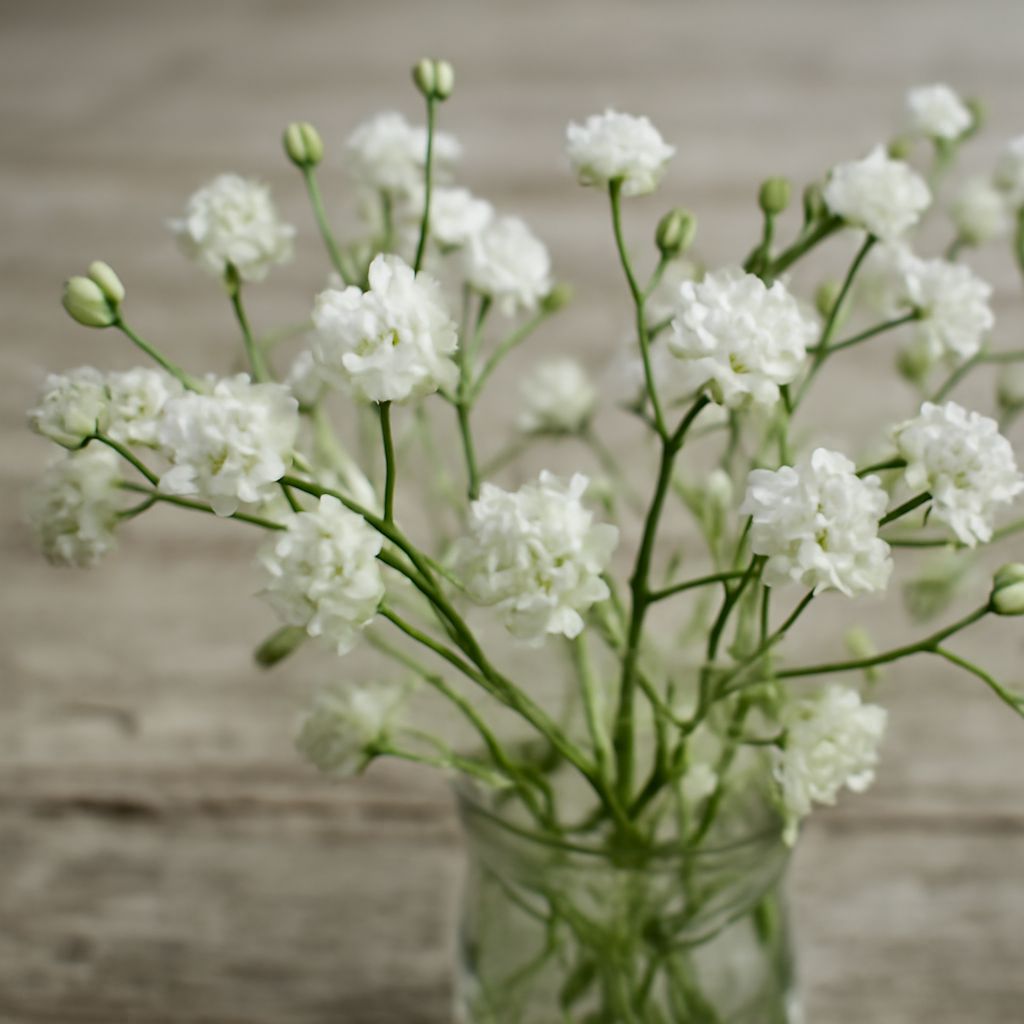
Baby’s breath, with its cloud-like clusters of white or pastel blooms, is a flower instantly recognizable in bouquets, centerpieces, and celebratory garlands. Despite its understated appearance, the baby’s breath symbolism is rich and multifaceted, influencing everything from wedding traditions to fine art. This guide explores the origins, cultural meanings, and enduring presence of baby’s breath to reveal why it continues to enchant floral enthusiasts and storytellers alike.
What Is Baby’s Breath and Where Does It Come From?
Baby’s breath, botanically known as Gypsophila, belongs to the carnation family (Caryophyllaceae). Native to Eastern Europe, Asia, and parts of the Mediterranean, several Gypsophila species have been cultivated worldwide for their airy, delicate flowers. The most common variety, Gypsophila paniculata, is instantly identifiable by its branching stems and clouds of tiny, five-petaled blossoms, typically white or pale pink.
The flower’s name, “baby’s breath,” originated in the late 19th century and was inspired by its soft, fragile appearance, which evokes innocence and the gentleness associated with newborns. Hardy and fast-growing, baby’s breath thrives in well-drained, chalky soils, and is widely grown in gardens and farms for use in both fresh and dried arrangements.
Over time, horticulturists have developed dozens of cultivars, from compact varieties for borders to sprawling forms used in mass displays. While wild species can be found in rocky European fields or arid Asian slopes, cultivated baby’s breath is a fixture at local flower markets and in professional floral design workshops across the world.
Beyond its ornamental value, baby’s breath is sometimes used in traditional herbal remedies and as a natural filler in dried crafts, although its true claim to fame lies in its enduring symbolic importance across cultures and occasions.
The Symbolism of Baby’s Breath in Different Cultures
The baby’s breath symbolism centers on purity, everlasting love, and innocence—qualities that have made it a perennial favorite for special milestones and meaningful rituals. The most widely recognized theme is purity, a symbolism rooted in the flower’s snow-white petals and unassuming beauty. This association is why baby’s breath frequently appears in wedding bouquets, christening decorations, and other celebrations of new beginnings.
In Western cultures, baby’s breath meaning is closely tied to eternal love and loyalty. The flower’s resilient nature and ability to thrive in challenging conditions have led people to see it as a symbol of everlasting affection—one that is not easily swayed by hardship or time. For this reason, baby’s breath is often woven into bridal arrangements, representing the couple’s enduring commitment and the innocence of their union.
Different global traditions add further nuance. In the Victorian language of flowers, baby’s breath conveyed a message of sincerity and humility, a silent compliment to the recipient’s virtue. In Eastern European folklore, the flower was sometimes included in wreaths as a guardian against evil spirits or as a tribute to departed loved ones. In Korea and parts of China, baby’s breath has been adopted as a motif for new life, renewal, and lasting friendship, especially in the context of important life transitions.
Even within contemporary settings, the baby’s breath meaning can shift according to color. Naturally white blooms suggest innocence and hope, while pink or blue-tinted varieties are chosen for gender-specific baby showers or to symbolize calm and tranquility. The versatility of baby’s breath symbolism allows it to fit seamlessly into a broad range of cultural practices and personal expressions.
Common Uses of Baby’s Breath in Visual Culture
The understated elegance of baby’s breath has secured its place not only in bouquets but also in wider visual and decorative culture. Its function as a “filler flower” in Western floristry is so widespread that it sometimes overshadows its standalone beauty. Yet, designers often rely on baby’s breath to soften bold floral arrangements, add volume, and create a sense of ethereal lightness, especially in wedding décor and romantic centerpieces.
Artists and photographers frequently use clouds of baby’s breath to evoke dreamlike or nostalgic moods. In editorial fashion shoots, for instance, the flower might be woven into hairstyles, garments, or even used as a minimalist prop to emphasize themes of innocence and youth. Baby’s breath also appears in contemporary art installations, either dried or fresh, to explore ideas of fragility, transience, and the passage of time.
Popular events—such as proms, graduations, or memorials—make liberal use of baby’s breath for corsages, boutonnieres, and wreaths. Its lightness allows it to be shaped into crowns, garlands, and hanging arrangements without adding weight or overshadowing other elements. Craft enthusiasts appreciate the flower’s ability to retain its shape and color when dried, making it ideal for pressed flower art, resin jewelry, and keepsake ornaments.
Digital culture has also embraced baby’s breath, with the flower appearing in social media visuals, graphic design, and influencer-driven “aesthetic” trends. Its minimalist appeal and symbolic associations have made it a recurring motif in branding for lifestyle products, stationery, and even fragrance packaging, reinforcing its status as a visual shorthand for purity and romance.
Why Baby’s Breath Remains a Timeless Symbol
Baby’s breath endures as a symbolic flower because it offers a unique blend of simplicity and depth. Its universal appeal lies in its ability to communicate complex emotions—love, hope, remembrance, and sincerity—without ostentation. Florists and gift-givers turn to baby’s breath for events that call for understated beauty and lasting meaning, from weddings and birthdays to memorials and graduation ceremonies.
One reason for the flower’s timelessness is its flexibility. Baby’s breath can highlight more dramatic blooms, stand alone in modern minimalist bouquets, or serve as a bridge between traditional and contemporary aesthetics. Its affordable cost and year-round availability make it accessible to a wide audience, while its resilience ensures that it remains fresh and relevant even as floral trends evolve.
The ongoing popularity of baby’s breath is also linked to changing design sensibilities. As tastes move toward the natural, the sentimental, and the sustainable, this unassuming flower—once dismissed as mere filler—has become a symbol of authenticity and heartfelt emotion. Its enduring symbolism continues to inspire new generations, ensuring that baby’s breath will remain an essential element in the language of flowers for years to come.