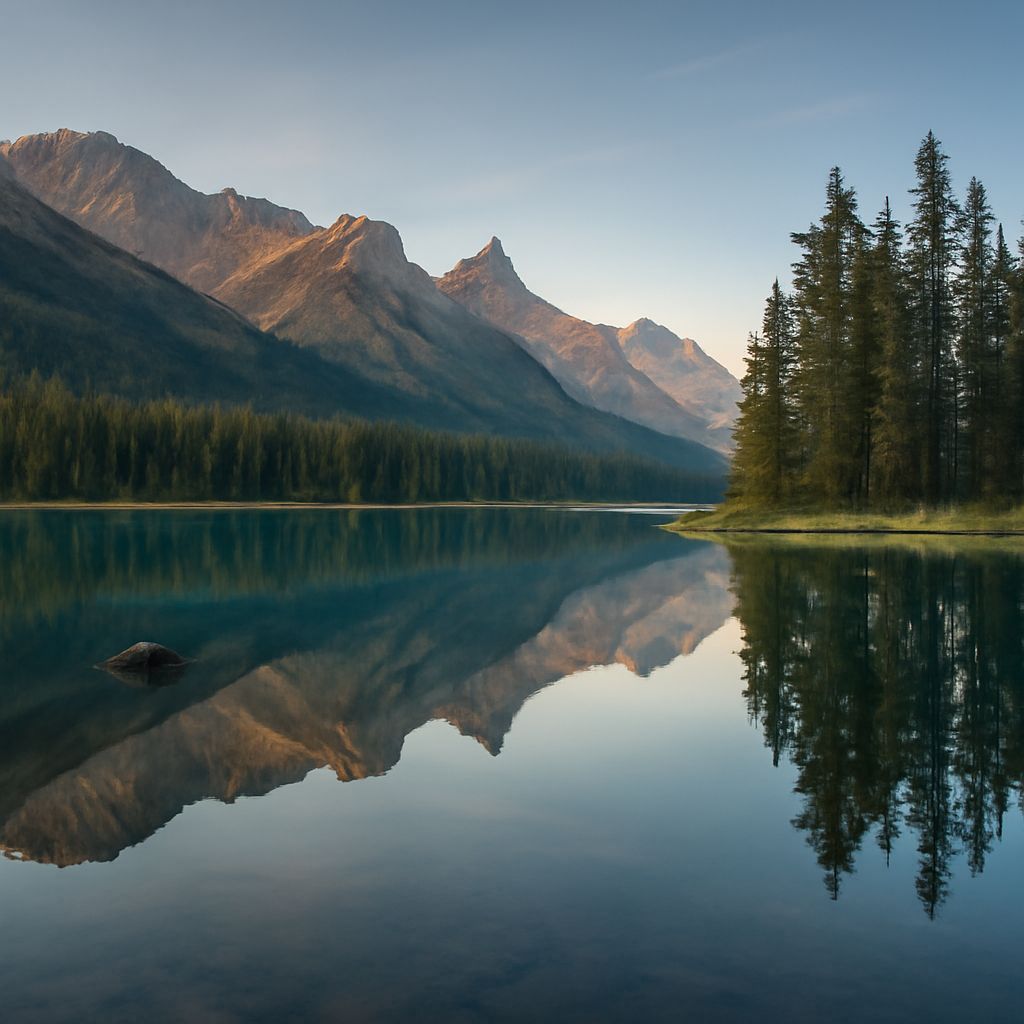
Nature photography captures the raw beauty of the world around us, transporting viewers to serene landscapes and awe-inspiring wildlife vistas. Many are drawn to the captivating allure of cool nature photos, which offer a glimpse into the intricate environments that exist beyond our everyday experiences. For those looking to create their own collection of stunning natural photos, understanding the techniques and inspirations behind these images can be invaluable.
The Allure of Cool Nature Photos
Cool nature photos have an undeniable appeal, often blending vibrant colors and dynamic compositions to evoke emotion and wonder. These images can transport viewers to distant lands, where untouched wilderness and diverse ecosystems thrive. The power of a well-captured photograph lies in its ability to tell a story or evoke a specific mood, offering a unique perspective on the natural world.
Capturing the Perfect Shot
To capture the perfect nature shot, photographers must often plan meticulously, considering elements such as lighting, composition, and timing. Early morning or late afternoon light, known as the golden hour, provides soft, warm light that can enhance the natural beauty of landscapes and wildlife. Additionally, the rule of thirds is a useful compositional guideline that helps create balanced and engaging images.
- Lighting: Seek out natural lighting conditions that highlight the subject’s features without casting harsh shadows.
- Composition: Experiment with angles and perspectives to find a composition that captures the essence of the scene.
- Patience: Nature photography often requires waiting for the perfect moment, whether it’s the right light or a fleeting wildlife encounter.
Techniques for Stunning Natural Photos
Mastering certain techniques can elevate your nature photography, transforming an ordinary image into something extraordinary. Here are some strategies to consider:
- Use of Filters: Polarizing filters can reduce glare and enhance colors, while neutral density filters allow for long exposures, capturing movement in water or clouds.
- Focus and Depth: A shallow depth of field can isolate a subject, creating a striking contrast against a blurred background. For landscapes, a greater depth of field keeps the entire scene in focus.
- Post-Processing: Editing software can enhance colors, correct exposure, and emphasize details, ensuring the final image reflects the photographer’s vision.
Famous Photographers and Their Work
Studying the work of renowned photographers can provide inspiration and insight into crafting your own cool nature photos. Ansel Adams, known for his majestic images of the American West, mastered black-and-white photography to highlight the grandeur of natural landscapes. Conversely, Frans Lanting captures vibrant wildlife images that celebrate biodiversity, emphasizing intimate and dynamic animal portraits.
James Balog’s work on documenting climate change through dramatic ice and glacier photography raises awareness of environmental issues, while Galen Rowell’s adventure photography introduced vivid colors and dynamic compositions to the genre. Each of these photographers demonstrates a unique approach to capturing the natural world, offering valuable lessons for aspiring photographers.
Incorporating these techniques and drawing inspiration from others can help you create your own collection of stunning natural photos that resonate with viewers and celebrate the beauty of our world.