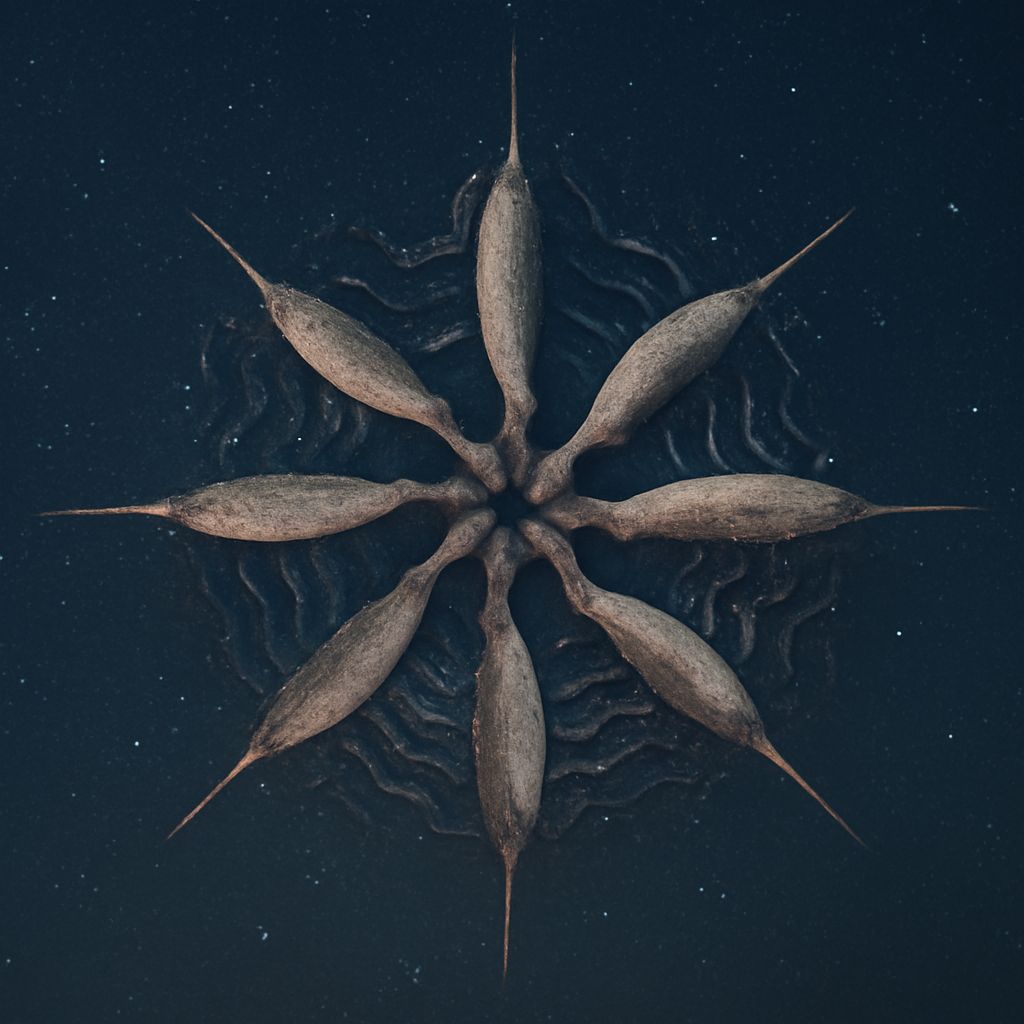
Symmetry art combines precision, creativity, and visual balance into artworks that captivate both artists and viewers. It plays a vital role in drawing, design, and visual culture, encouraging experimentation with patterns, geometry, and mirrored compositions. Whether you are an artist, educator, or simply seeking to enhance your creative repertoire, understanding symmetry art and practical symmetry drawing techniques opens new dimensions in artistic expression. This guide covers the core concepts of symmetry in art, foundational techniques for creating effective symmetry drawings, and a spectrum of creative ideas to inspire your next project.
What Is Symmetry Art?
Symmetry art refers to any artistic creation that employs symmetry as a foundational visual principle. In its simplest form, symmetry is a sense of balanced proportions and correspondence between elements, often achieved by mirroring, rotating, or translating shapes and motifs. Symmetry art can be geometric, using straight lines and precise patterns, or more organic, reflecting the natural symmetry found in living forms.
The appeal of symmetry art stems from its harmony and order. Mirrored drawings, radial designs, and tessellations all fall under this category. Symmetry can appear in traditional visual arts such as painting and sculpture, as well as in digital work, architecture, and crafts. In classrooms and studios, symmetry drawing activities develop spatial reasoning, fine motor skills, and artistic discipline.
Artists from various cultures and historical periods have explored symmetry in their work. From Islamic geometric patterns and mandalas to the intricate mosaics of ancient Rome, symmetry art provides a universal language for expressing beauty through repetition and balance.
Understanding the Principles of Symmetry in Art
There are four main types of symmetry that artists frequently use:
- Reflective (Bilateral) Symmetry: Also called mirror symmetry, this occurs when one half of an image or design is the exact reflection of the other. Most familiar human faces possess bilateral symmetry.
- Rotational Symmetry: An artwork has rotational symmetry if it can be rotated (less than a full circle) and still look the same. Mandalas and circular motifs often use this principle.
- Translational Symmetry: This form appears when a motif is repeated at regular intervals in a given direction. Patterns in textiles and wallpapers frequently use translational symmetry.
- Radial Symmetry: Elements radiate from a central point, creating a balanced, circular design. Flowers, snowflakes, and certain architectural features use radial symmetry.
While perfect symmetry creates a sense of calm and order, many artists intentionally introduce small variations to add interest or express individuality. Asymmetry, or the deliberate breaking of symmetry, can make a composition dynamic while retaining an underlying sense of structure.
Understanding these principles helps artists choose the type of symmetry that best suits their vision. In contemporary art, combining different symmetry approaches within a single composition often leads to novel and visually engaging results.
Practical Techniques for Symmetry Drawing
Effective symmetry drawing begins with careful planning and the right tools. Here are some proven techniques to create balanced, symmetrical art:
- Axis Line Drawing: Start by lightly drawing a central axis or multiple axes with a pencil and ruler. Each element is mirrored or repeated across this line. This works for faces, insects, and mirrored designs.
- Grid Method: Draw a grid to organize and replicate shapes accurately. This is helpful for complex patterns or tessellations, keeping proportions consistent throughout.
- Tracing and Folding: For beginners or young artists, folding paper and drawing half the design before tracing the other side ensures perfect symmetry. This method is popular for simple butterflies, hearts, and snowflakes.
- Digital Tools: Many graphic design and drawing apps offer symmetry tools that automatically mirror strokes across one or more axes. These are ideal for creating intricate digital mandalas and pattern-based art.
- Rotational Templates: For radial or rotational symmetry, use a compass, protractor, or circular template to divide your drawing surface into equal segments. Repeat motifs or patterns around the center for a cohesive design.
Success in symmetry drawing depends on accuracy and patience. Use light guidelines that can be erased after the main elements are complete. Double-check mirrored portions for scale and orientation before adding final lines or color. Over time, you’ll develop an intuitive sense for balanced compositions, making symmetry drawing a core skill in your artistic toolkit.
Critically, symmetry art does not have to be rigid or mechanical. Allow room for subtle variations and organic forms, especially when working with natural subjects like leaves, animals, or faces where perfect symmetry rarely exists in real life.
Creative Symmetry Art Ideas and Applications
Once you master the basic approaches to symmetry drawing, a world of creative possibilities opens up. Here are several ideas and applications to explore:
- Mandala Art: Create circular, highly detailed designs using radial symmetry. Mandalas are popular in mindfulness practice, coloring books, and graphic design projects.
- Nature Studies: Draw insects, flowers, or leaves using both reflective and radial symmetry to highlight the beauty of natural forms.
- Pattern Design: Develop repeating motifs for textiles, wallpapers, or ceramics using translational and rotational symmetry as a base.
- Architectural Elements: Explore the use of symmetry in windows, mosaics, and floor tiles. Try drawing your own versions inspired by various architectural styles.
- Abstract Art: Use symmetry as a starting point, then deliberately break the pattern to create tension, movement, or surprise within your artwork.
Educators can adapt symmetry art projects for different ages and skill levels, from simple fold-and-trace activities to advanced digital pattern creation. Artists may experiment by blending multiple forms of symmetry within one piece or study historical examples for inspiration. Ultimately, symmetry art is both a technical challenge and a creative playground—an ideal way to combine logic, imagination, and personal style in every drawing.