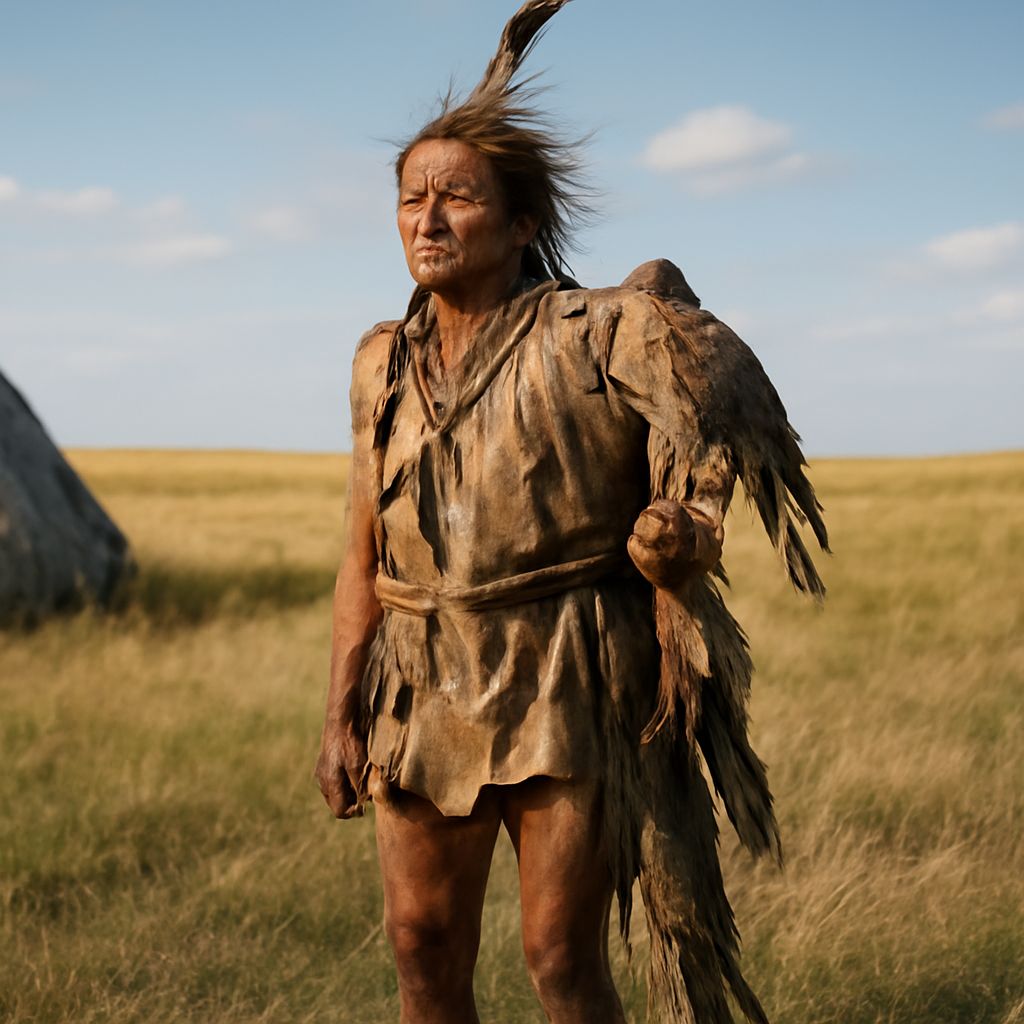
Edward S. Curtis, a name synonymous with early 20th-century documentary photography, played a pivotal role in capturing the intricate tapestry of Native American cultures. This groundbreaking photographer dedicated his life to creating a comprehensive visual and ethnographic record of indigenous peoples in North America. Through his lens, Curtis not only documented history but also preserved traditions and lifestyles that were rapidly vanishing. This article delves into the life, work, techniques, and enduring legacy of Edward S. Curtis, offering insights into why his contributions remain significant today.
Edward S. Curtis: A Brief Biography
Born in 1868 in Whitewater, Wisconsin, Edward Sheriff Curtis grew up with a fascination for photography and the American West. By his early twenties, he had established a photography studio in Seattle, which laid the foundation for his life’s work. His first encounter with Princess Angeline, the daughter of Chief Seattle, ignited a passion for documenting Native American tribes. This meeting led him to embark on an ambitious project that would last over three decades: “The North American Indian.” This monumental endeavor sought to capture the lives, customs, and traditions of over 80 tribes across the continent.
The Significance of Curtis’s Work
The significance of Edward S. Curtis’s work lies in its scope and depth. Curtis produced over 40,000 images, accompanied by extensive ethnographic notes, recordings of indigenous languages, and detailed descriptions of tribal customs and traditions. His work is invaluable to historians, anthropologists, and descendants of the tribes he photographed, as it offers a window into a world that was on the brink of irreversible change. Curtis’s photographs convey a poignant sense of dignity and resilience, challenging prevailing stereotypes and misconceptions about Native American cultures at the time.
Techniques and Style in Curtis’s Photography
Edward S. Curtis was renowned for his meticulous attention to detail and his ability to capture the essence of his subjects. He employed a range of techniques that were innovative for his time, including the use of sepia tones and soft focus to create a dreamlike quality in his images. Curtis often posed his subjects in traditional attire and settings, carefully orchestrating scenes to emphasize cultural elements. While some critics argue that his methods romanticized or staged certain aspects, Curtis’s intention was to honor and preserve the authenticity of Native American life as he understood it. His artistry lies in his ability to balance documentary rigor with an aesthetic vision that transcends mere documentation.
The Legacy of Edward S. Curtis Today
Today, Edward S. Curtis’s legacy continues to resonate in both academic and artistic circles. His work remains a vital resource for understanding Native American history and culture. Numerous exhibitions across the globe have showcased his photographs, underscoring their enduring appeal and relevance. Curtis’s work has also inspired contemporary photographers and filmmakers to explore themes of cultural preservation and representation. Despite the controversy surrounding aspects of his methodology, Curtis’s dedication to his craft and his subjects has left an indelible mark on the fields of photography and anthropology.