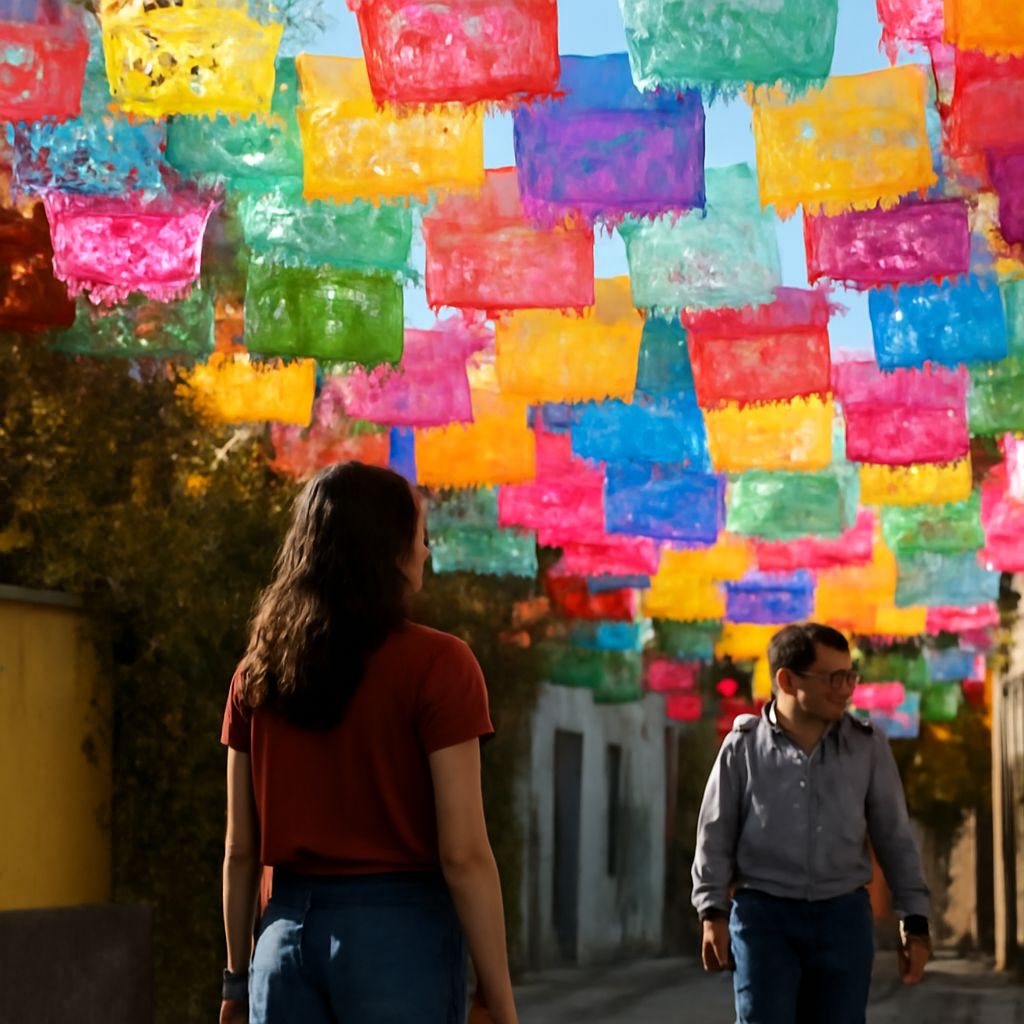
Mexican folk art is a vibrant tapestry of color, tradition, and cultural heritage. Known for its intricate designs and vivid colors, this art form is deeply embedded in Mexico’s cultural identity. From the bold, colorful figures of alebrijes to the delicate craftsmanship of papel picado, traditional Mexican folk art embodies a rich history and a unique storytelling medium. This exploration dives into the origins, styles, cultural significance, and key contributors to this captivating world.
The History and Origins of Mexican Folk Art
The roots of Mexican folk art date back to pre-Hispanic times, where Indigenous communities expressed their beliefs and daily lives through artistic creations. With the arrival of the Spanish in the 16th century, European influences merged with local traditions, creating a distinctive blend seen in today’s folk art. Over the years, these art forms have evolved, integrating African and Asian influences brought by trade and migration. This complex history has resulted in a diverse array of techniques and styles that continue to thrive across Mexico.
Key Styles and Techniques in Traditional Mexican Folk Art
Traditional Mexican folk art showcases a variety of styles, each with its unique techniques and cultural significance. Talavera pottery, originating from Puebla, is renowned for its intricate blue and white designs, a testament to the blend of Indigenous and Spanish influences. Alebrijes, originating from Oaxaca, are fantastical wooden sculptures characterized by bright colors and imaginative shapes. Papel picado, or perforated paper, is used in festivals and celebrations, adding a touch of whimsy with its elaborate cut-out patterns. Each style not only reflects a specific region’s heritage but also tells stories of its people and their way of life.
Cultural Significance and Influence
Mexican folk art is more than just aesthetic; it plays a crucial role in cultural preservation and expression. These artworks serve as visual narratives, preserving myths, legends, and everyday experiences of Mexican communities. They are prominent in religious ceremonies, community festivals, and national celebrations, acting as a bridge connecting the past and present. The vibrant colors and symbolic motifs often used in traditional Mexican folk art offer insights into the values and beliefs of its creators, highlighting themes of life, death, and the spiritual world.
Famous Artists and Their Contributions
Several artists have significantly impacted the development and international recognition of Mexican folk art. Rodolfo Morales, known for his surrealist paintings and community projects, infused traditional elements with contemporary themes. Pedro Linares, the creator of alebrijes, brought international attention to this unique art form with his imaginative creatures. Frida Kahlo, although primarily known for her paintings, drew heavily from folk art motifs and Mexican cultural symbols, elevating their status on the global stage. These artists, among others, have not only contributed to the richness of Mexican folk art but have also ensured its continued evolution and relevance in modern society.