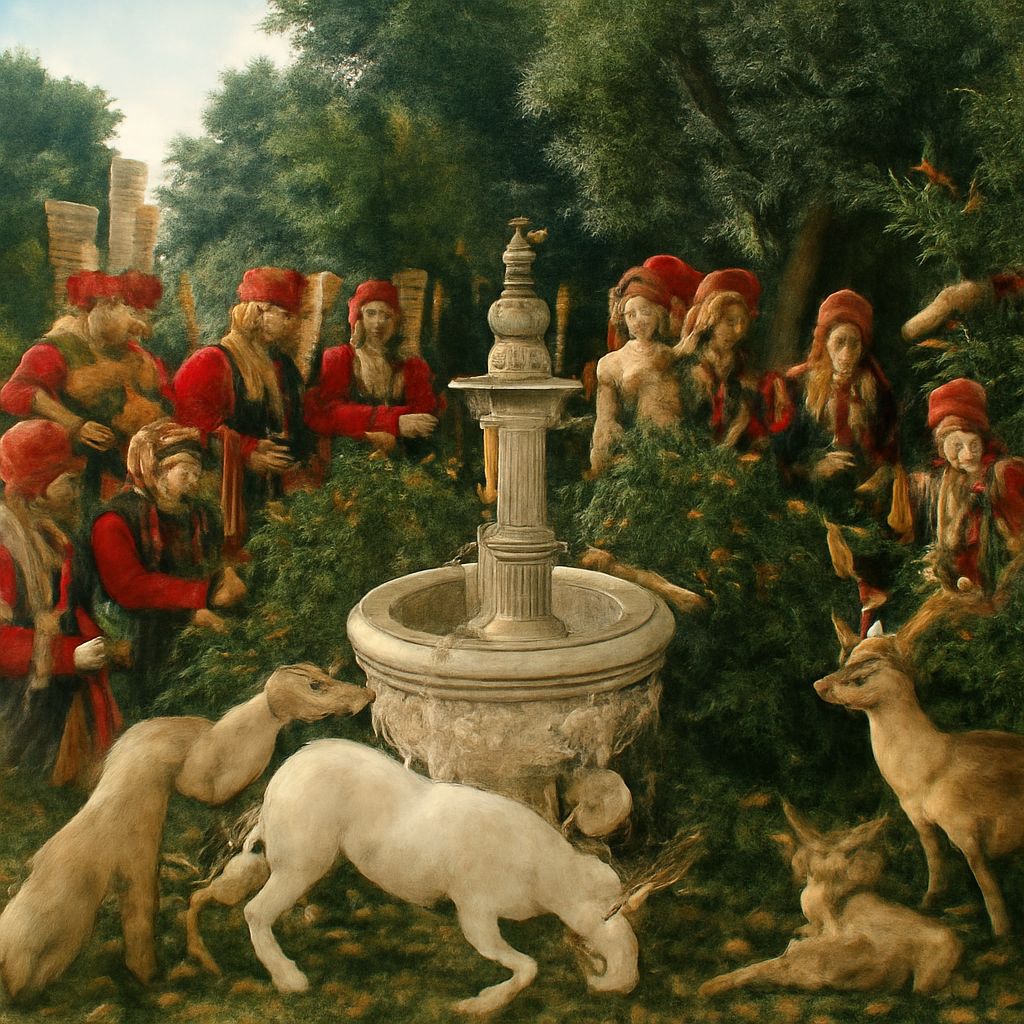
The Unicorn Tapestries, an exquisite series of seven tapestries housed at The Met Cloisters in New York, have captivated audiences for centuries with their intricate designs and rich narrative. Not only are they a testament to the artistic prowess of the late Middle Ages, but they also weave a complex story that blends myth and reality. Among these, the “Unicorn in Captivity” stands out for its enigmatic allure, symbolizing themes that extend beyond the confines of its woven enclosure.
An Introduction to the Unicorn Tapestries
The Unicorn Tapestries are a collection of seven woven artworks that have intrigued art lovers and historians alike. They depict a vibrant hunting scene, capturing the elusive unicorn, which is ultimately shown in a state of captivity. These tapestries are renowned not only for their artistic beauty but also for their mysterious narrative and symbolism. Created during the late 15th century, this series offers a window into the cultural and artistic milieu of medieval Europe.
Historical Context and Creation
The exact origins of the Unicorn Tapestries remain shrouded in mystery; however, it is widely believed that they were commissioned between 1495 and 1505. While the identity of the artist remains unknown, the detailed artistry suggests a collaboration among skilled weavers from the region of Flanders, a prominent center for tapestry production during the period. The tapestries were likely commissioned by a wealthy patron, suggested by the luxurious materials used, including silk, silver, and gold threads.
The tapestries reflect the medieval fascination with unicorns, which were often depicted as symbols of purity and grace. This cultural context, combined with the technical skill required for their creation, underscores the tapestries’ significance both as artworks and as historical artifacts.
Symbolism in the Unicorn Tapestries
The Unicorn Tapestries are rife with symbolism, weaving together themes of love, purity, and the natural world. In medieval lore, the unicorn was often associated with purity and could only be captured by a virgin. This legend is cleverly depicted across the series, where the unicorn is pursued, captured, and eventually shown in captivity. The scenes are laden with symbolic motifs, such as the millefleurs background, representing a lush, idealized version of nature.
Each element within the tapestries serves a symbolic purpose. For instance, the unicorn itself can be seen as a Christ-like figure, a symbol of the sacred and the divine. Other symbols, such as the pomegranate tree, are thought to represent fertility and marriage, further enriching the narrative complexity of the series.
The Unicorn in Captivity: A Detailed Examination
The “Unicorn in Captivity” is arguably the most famous tapestry in the series and is the final piece of the narrative. It depicts the unicorn tethered to a circular fence, surrounded by a field of flowers and a pomegranate tree. Despite its captivity, the unicorn appears content, a serene look on its face, which has led to varied interpretations regarding the meaning of this scene.
Some scholars suggest that the “Unicorn in Captivity” symbolizes the taming of desire and the harmony between man and nature. The circular fence may represent the physical and spiritual barriers that both protect and bind. The abundance of flowers and the presence of the pomegranate tree further emphasize themes of fertility, rebirth, and eternal life.
Others interpret the scene as a depiction of the soul’s yearning for the divine or as an allegory of love and marriage, with the unicorn symbolizing a lover who has been captured and tamed by his beloved. The richness of these interpretations speaks to the tapestry’s enduring allure and its ability to convey profound themes through intricate artistry.
Ultimately, the Unicorn Tapestries, and particularly the “Unicorn in Captivity,” continue to fascinate viewers with their blending of narrative, symbolism, and artistic mastery. As timeless works, they invite ongoing exploration and interpretation, offering glimpses into the complex interplay of history, art, and mythology.