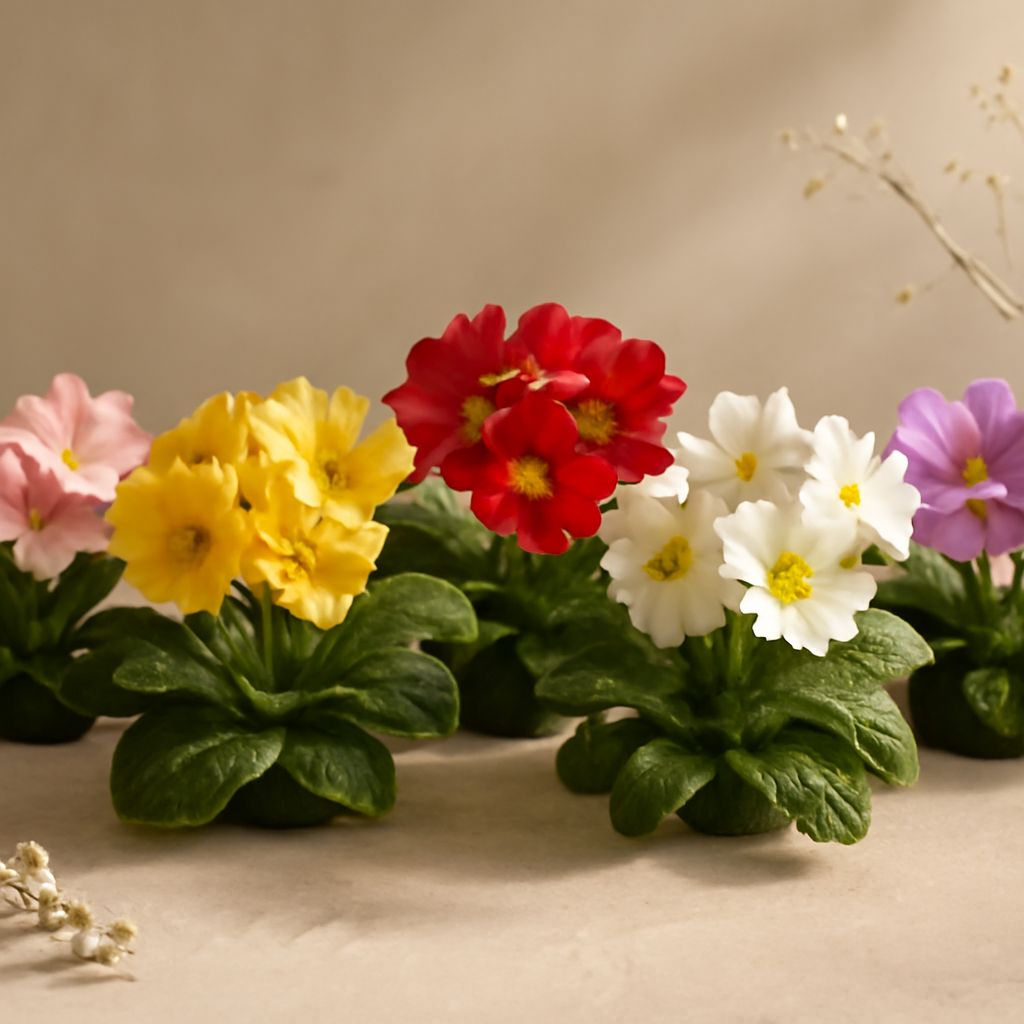
Flowers have long carried meanings that extend far beyond their petals and colors, serving as universal symbols of profound concepts like hope, resilience, and vitality. Among these, flowers that represent life hold a special place in human culture. Their bright blooms, renewal cycles, and enduring presence through changing seasons make them a powerful emblem of the life force itself. This article explores which flowers symbolize life, their meanings across cultures, and how to incorporate these vibrant representations into everyday rituals or personal spaces.
What Does It Mean When Flowers Represent Life?
When we speak of flowers that represent life, we refer to blooms whose qualities, growth patterns, or appearances evoke the essence of living: dynamism, renewal, and resilience. This symbolism is rooted in the way flowers grow, bloom, and return year after year, echoing the cycles of human existence. The emergence of a flower from a seed, its maturation, and eventual renewal each spring all mirror the journey of life itself—from birth and flourishing to transformation and rebirth.
Flowers that symbolize life are often chosen for their ability to thrive in challenging conditions or because their blooming marks the arrival of new seasons. Their ability to bounce back after dormancy or harsh weather makes them apt metaphors for survival and continuity. In spiritual and artistic contexts, such flowers often appear in rituals and artwork celebrating new beginnings or honoring the spirit of perseverance.
Gifting or displaying flowers with this symbolism sends a message of hope, encouragement, and appreciation for the tenacity of life. Whether used in ceremonies, gardens, or as a gesture for someone embarking on a new chapter, these flowers convey a sense of optimism and the enduring power of existence.
Understanding what it means for a flower to represent life allows us to choose blooms that carry deeper resonance, making floral arrangements more meaningful and personal.
Top Flowers That Represent Life Around the World
Certain flowers have become global icons of life, each chosen for their unique qualities that reflect growth, energy, and persistence. Here are some of the most recognized flowers that represent life and the reasons they hold this distinction:
- Lotus: Universally regarded as a symbol of life and spiritual awakening, the lotus rises from muddy waters to bloom beautifully above the surface. Its ability to emerge clean and vibrant, regardless of its surroundings, makes it a powerful metaphor for renewal and the triumph of life over adversity.
- Daffodil: Known for heralding the arrival of spring, daffodils burst forth after winter’s cold, symbolizing new beginnings, rejuvenation, and the resilience of life. Their bold yellow color further enhances this connection to vitality and hope.
- Cherry Blossom: In Japan and much of the world, cherry blossoms mark the transient yet beautiful nature of life. Their brief, spectacular bloom each spring is a reminder to cherish the present and embrace the cyclical nature of existence.
- Sunflower: Sunflowers are associated with energy, warmth, and the vibrancy of life. Their habit of following the sun throughout the day reflects a natural optimism and a persistent pursuit of light.
- Peony: In various cultures, peonies symbolize prosperity, health, and the fullness of life. Their lush, abundant blossoms represent both the fragility and richness inherent in living.
Other notable flowers that symbolize life include tulips (for growth and renewal), irises (for hope and wisdom), and marigolds (for endurance and the life cycle). Each carries nuanced meanings rooted in their history and the way they grow.
Choosing among these flowers depends on the specific facet of life you wish to highlight—be it resilience, joy, new beginnings, or enduring spirit.
Cultural Meanings of Life-Symbolizing Flowers
The symbolism attached to flowers that represent life is deeply influenced by cultural context. The lotus, for example, is revered throughout Asia as a sign of purity, rebirth, and spiritual enlightenment. Its journey from murky waters to pristine bloom is used in Hindu, Buddhist, and Egyptian traditions to illustrate the soul’s progression through life’s challenges.
Daffodils are especially significant in Western cultures, often linked to spring festivals and celebrations of renewal. In Wales, the daffodil is a national symbol and is worn on St. David’s Day as an emblem of life and hope. Cherry blossoms, celebrated during hanami festivals in Japan, draw crowds who reflect on the fleeting beauty and preciousness of life, reinforcing values of mindfulness and appreciation.
Sunflowers, native to the Americas, were cultivated by indigenous peoples for their usefulness and beauty. Their tall, cheerful faces became associated with vitality and the life-giving energy of the sun. In Eastern Europe, sunflowers often symbolize long life and fortune in folk art and ceremonies.
Even within similar species, meanings may shift: marigolds represent both life and remembrance in Mexican Día de los Muertos celebrations, bridging worlds and highlighting the cyclical nature of existence.
How to Use Life-Representing Flowers in Daily Life
Integrating flowers that symbolize life into your routine or environment can be both uplifting and meaningful. Here are ways to use these powerful symbols in daily life:
- Home Décor: Arrange daffodils, sunflowers, or cherry blossom branches in vases to bring a sense of vitality and freshness into your living spaces. Their presence can serve as a daily reminder of renewal or positivity.
- Garden Design: Plant peonies, tulips, or lotus flowers in your garden to create a living, ever-changing tribute to the cycles of life. Their growth each year is a visible marker of time and transformation.
- Personal Rituals: Use life-symbolizing flowers in meditation spaces, altars, or as part of seasonal rituals to mark new beginnings, anniversaries, or personal milestones.
- Gift Giving: Choose bouquets featuring flowers that represent life to encourage someone facing change or to celebrate achievements, recoveries, or new starts.
Whether you’re marking a personal transformation or enhancing your surroundings, these blooms infuse spaces and moments with meaning and a vibrant, life-affirming energy.