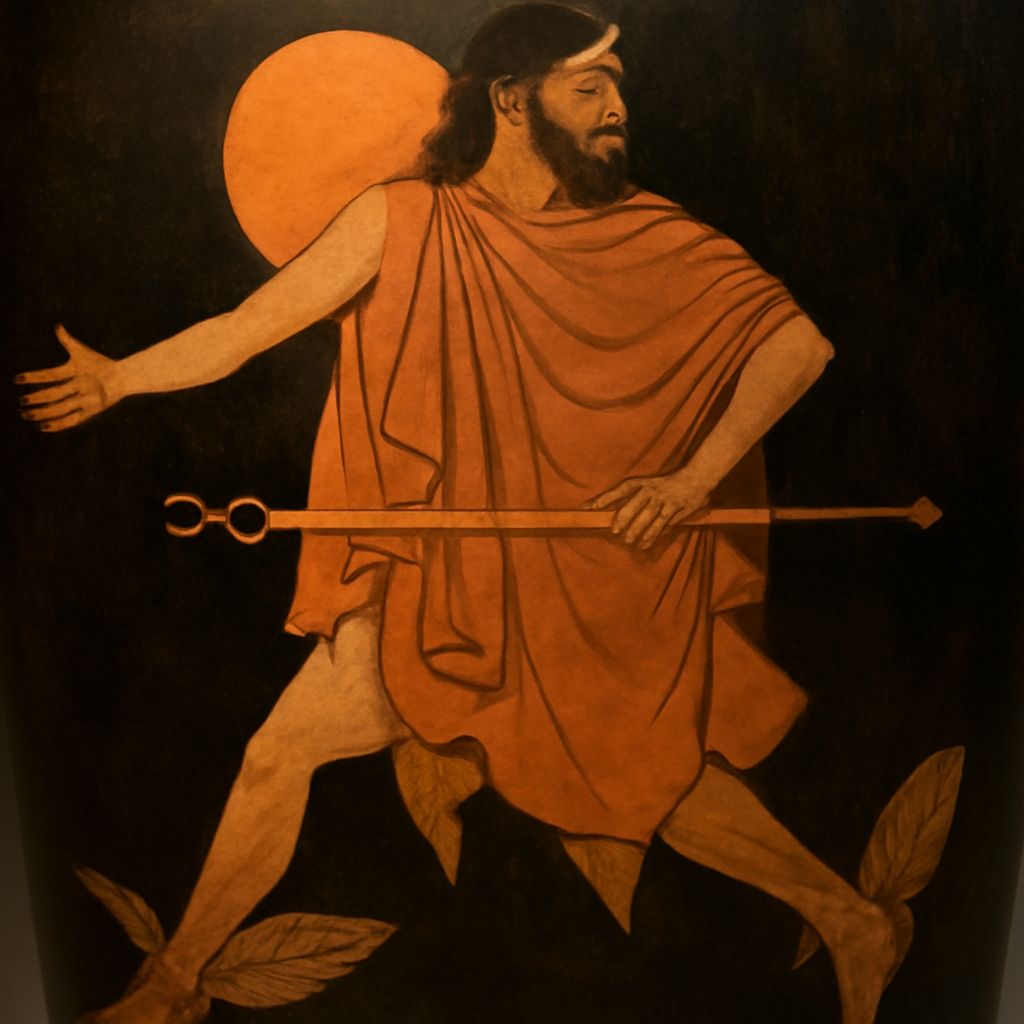
Hermes is a fascinating figure in Greek mythology, known for his diverse roles and attributes. As the Greek god of commerce, communication, and much more, Hermes holds a significant place in both ancient lore and modern culture. His influence spans various domains, making him a multi-layered deity worth exploring.
The Origins and Attributes of Hermes
Hermes, often depicted with winged sandals and a caduceus, is a son of Zeus and Maia. As a messenger among the gods, his swift movements across realms earned him the reputation as a divine herald. Hermes is not just the herald, but also the protector of travelers, shepherds, and athletes. His attributes include cleverness and cunning, which he often uses to outwit others for a greater purpose. Known for his eloquence, Hermes has a charm that makes him a vital communicator among gods and humans alike.
Hermes as the God of Commerce
Hermes’s role as the Greek god of commerce highlights his influence over trade and economic exchange. As commerce flourished in ancient Greece, Hermes was crucial in facilitating smooth transactions and guarding merchants. His symbolic representation includes the caduceus, traditionally associated with trade and negotiation. Hermes’s strategic intelligence made him an ideal deity for commercial affairs, ensuring the success and prosperity of merchants under his watchful eye.
Hermes in Art and Exhibition
The artistic depictions of Hermes have evolved through centuries, capturing his dynamic nature and varied roles. From ancient sculptures to Renaissance paintings, Hermes has been illustrated wearing his famed winged sandals and holding the caduceus. These artworks not only serve as aesthetic representations but also convey Hermes’s significance across different contexts. Museums worldwide exhibit Hermes in various forms, showcasing how artists interpret his multifaceted character. His presence in art underscores his enduring legacy and the timelessness of his mythological narrative.
Cultural Impact and Legacy of Hermes
Hermes’s cultural impact extends beyond mythology into modern literature, psychology, and even business. His archetype as a communicator and trickster is prevalent in contemporary storytelling, influencing characters that embody similar traits. Hermes’s legacy is also evident in language, with terms like “hermetic” and “mercurial” deriving from his Roman counterpart, Mercury. These words reflect aspects of his personality and influence. In the business world, Hermes remains a symbol of successful commerce and communication, embodying the qualities needed for effective negotiation and strategic thinking.