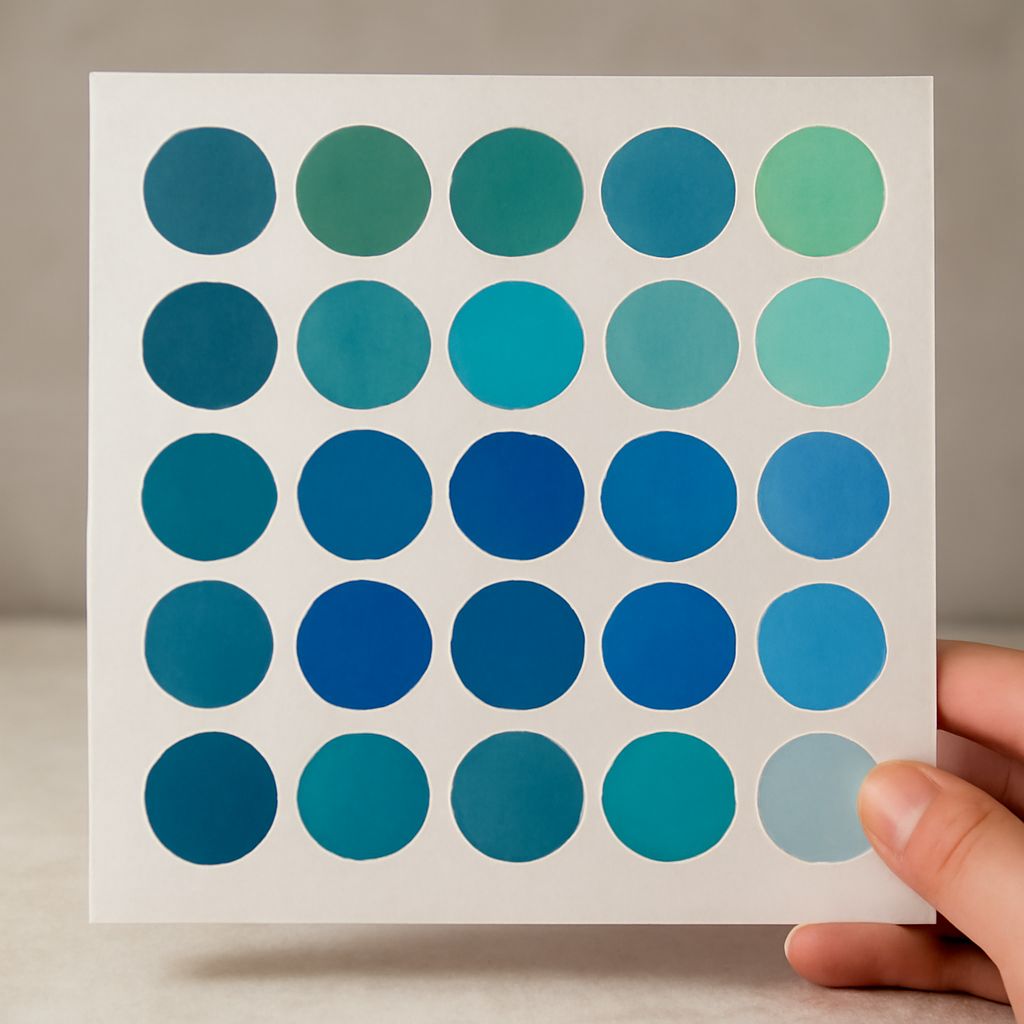
Teal is a captivating color often debated for its unique position between blue and green. This hue combines the calming properties of blue with the renewal qualities of green, creating a versatile and widely appreciated shade. If you’ve ever wondered is teal blue or green, you’re not alone. Let’s dive into the intricacies of teal to uncover its true nature.
What Is Teal? A Brief Overview
Teal is a medium to deep blue-green color, named after the common teal bird, which exhibits a similarly colored stripe on its head. Teal combines the tranquil and serene qualities of blue with the refreshing and rejuvenating aspects of green. This dual nature makes it a popular choice in design, fashion, and art.
The Origins of Teal
The name “teal” was first used in English as a color name in the early 20th century. It originates from the Eurasian teal, a small freshwater duck whose eyes are marked by a distinctive bluish-green stripe. This natural inspiration has solidified teal’s place in both natural and artistic realms, influencing a range of applications from textiles to digital media.
Is Teal Blue or Green?
The question of whether teal is more blue or green doesn’t have a straightforward answer. The color is a blend of both, usually with an equal measure of blue and green. However, variations can lean more towards one end of the spectrum. When evaluating teal, some might perceive it as more blue, while others might see it as more green. This perception can be influenced by lighting, surrounding colors, and individual eyesight.
In the RGB color system, a standard teal is created by mixing equal parts of blue and green light, with little to no red. This balance results in the characteristic teal hue that balances both colors evenly. However, the variation in teal shades means that some might subtly shift more towards either blue or green, depending on the specific mix and application.
Teal in Art and Design
Teal’s versatility makes it a favorite in art and design. Its balanced nature allows it to adapt to various design palettes, providing both a soothing backdrop and a vibrant pop of color. In interiors, teal can evoke a sense of calm and sophistication, making it a popular choice for living rooms and bedrooms.
In digital design, teal is often used to convey trust and stability, making it a frequent choice for websites and apps. It pairs well with neutral tones such as gray and white, as well as other jewel tones like mustard or burgundy, allowing for a harmonious yet striking visual impact.
Whether used as an accent or a main color, teal’s dual nature ensures it remains a staple in the creative world, bridging the gap between blue and green effortlessly.