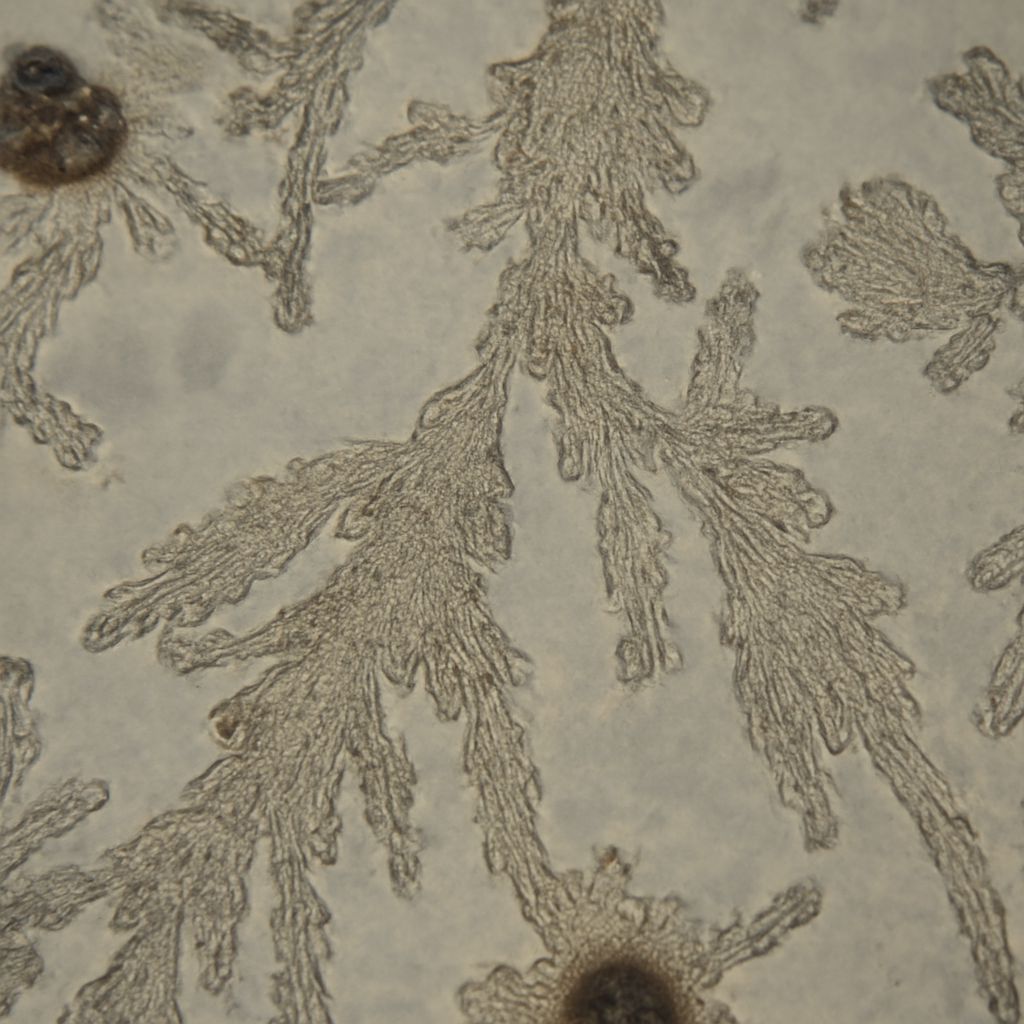
A fine branching pattern inside a camera lens can resemble a tiny root system or a spiderweb. Fungal growth in the lens is one possible explanation. A careful look can distinguish a suspicious pattern from ordinary dust, while a repair specialist can assess the affected surfaces and the options for treatment.
Fungus in a lens: what to look for
Inspect the glass from both ends in a clean, well-lit room. Angle a small light across the glass and change the viewing angle; internal elements and reflections can be easier to distinguish as the lens turns. Look for fine threads, branching lines, or a web-like patch that seems to lie on an optical surface. Note where the pattern appears and take a clear photograph to show a technician.
Fungal growth on lens glass may spread in branching threads, while individual dust particles tend to look like separate specks. Haze often appears as a more even veil, although its appearance varies with the cause and lighting. A branching mark is a reason to seek an assessment, not a conclusive diagnosis from appearance alone. Reflections between elements can also resemble marks, so checking from more than one angle helps describe what is actually visible.
Consider the image as well as the glass
Lens fungus can scatter light and reduce contrast, particularly when bright light strikes the glass. The effect depends on the location and extent of the growth. A small patch may be difficult to notice in everyday pictures, while a stronger veil or backlit scene can make flare and reduced contrast more apparent.
To assess the practical effect, photograph a familiar scene with both dark and light detail. Make one image with bright light outside or near the frame and another with the lens shaded. Compare them with a similar lens if one is available, keeping the viewpoint and exposure as consistent as possible. This comparison shows how the lens performs; it cannot establish the cause of every loss of contrast.
Understand the repair decision
A technician can examine fungal contamination in a camera lens and explain whether the affected element is accessible, what cleaning would involve, and whether the work is worthwhile for that model. Ask for an estimate and for an assessment of any remaining marks. Fungus in a lens may be removable, but removal of the growth and restoration of the optical surface are separate questions.
Coatings are thin layers applied to glass to control reflections and other optical properties. If growth has damaged a coating or the glass beneath it, removing the material may leave a permanent mark. A specialist can judge what remains after inspection or cleaning; the appearance beforehand cannot reliably promise a perfect result. Internal disassembly can also disturb alignment, seals, or delicate components, so it is a job for someone equipped to service the lens.
Change the storage conditions
Damp, poorly ventilated storage encourages fungal growth on optical equipment. Let wet equipment dry before putting it away, and choose a clean, dry place rather than a closed, damp camera bag. A humidity-controlled cabinet or a sealed container with maintained desiccant can help in humid conditions. A small hygrometer, a device that measures relative humidity, makes it easier to see whether the storage environment stays dry over time.
ZEISS guidance for optical instruments identifies high humidity, poor ventilation, and deposits on optical surfaces as conditions associated with fungal growth. Check the lens maker’s storage advice as well, and inspect equipment periodically rather than leaving it forgotten for months.
If a branching pattern appears inside the glass, separate the lens from the rest of the equipment, record what is visible, and contact a qualified repair service for an inspection and estimate.