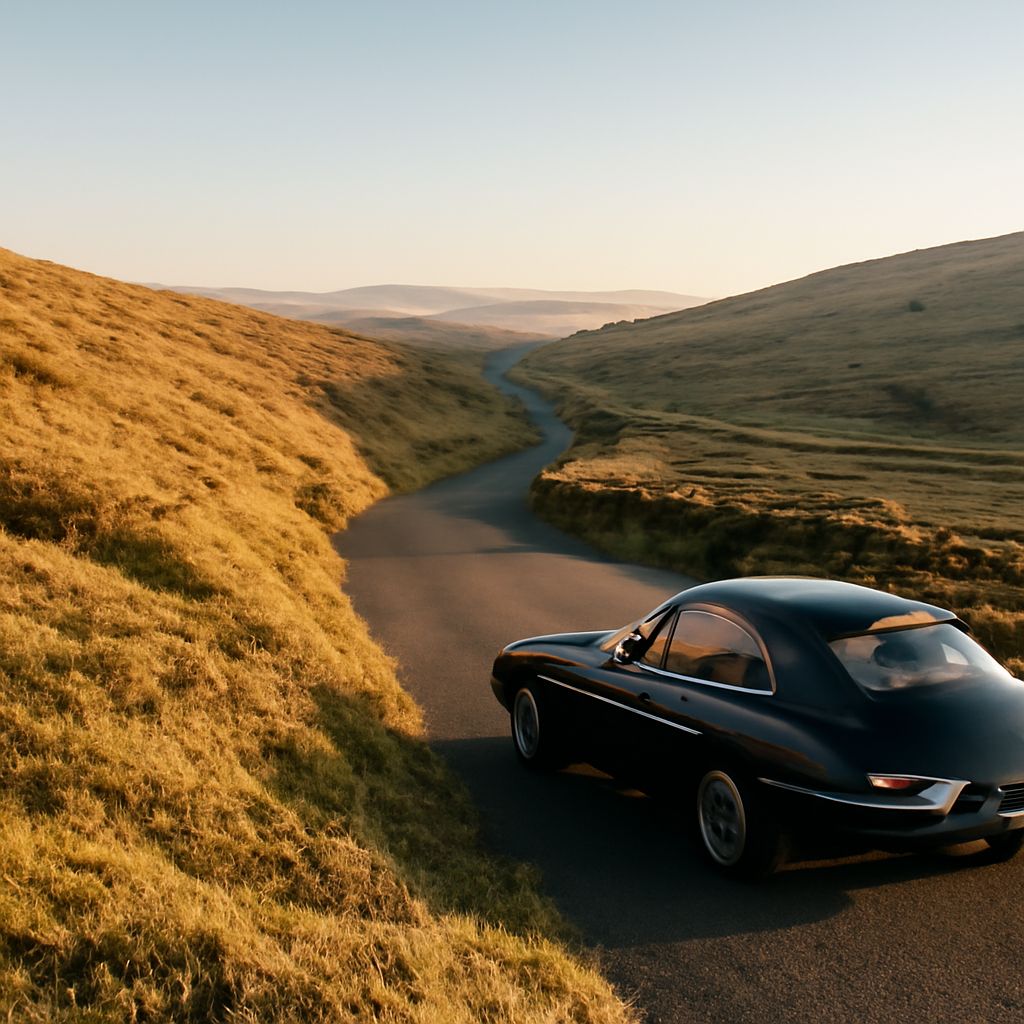
Breaking into the world of automotive photography requires a unique blend of technical expertise and creative vision. Whether you’re capturing the sleek lines of a sports car or the rugged appeal of an off-road vehicle, mastering the art of car photography can set you apart in this competitive field. Here, we explore the essential techniques and insights to elevate your skills as an automotive photographer.
Understanding Automotive Photography
Automotive photography is more than just taking pictures of cars; it’s about capturing the essence and character of each vehicle. A successful car photographer understands the interplay of light and shadow, the importance of angles, and how to bring out the personality of a car. The goal is to create images that resonate with viewers, whether for advertising, editorial, or personal projects.
Essential Equipment for Car Photographers
Having the right equipment is crucial to achieving high-quality automotive photos. A DSLR or mirrorless camera with a range of lenses – from wide-angle to telephoto – is fundamental. A tripod ensures stability, especially for low-light conditions or long exposures. Additionally, a polarizing filter can reduce glare on the car’s surface, and a reflector helps manipulate natural light to your advantage.
Techniques for Capturing Stunning Car Images
When it comes to techniques, consider the following tips to enhance your car photography:
- Timing and Lighting: Shoot during the golden hours – early morning or late afternoon – for soft, flattering light.
- Background Selection: Choose backgrounds that enhance the car’s features without distracting from them. Urban settings, open roads, or natural landscapes offer diverse options.
- Angles and Composition: Experiment with different angles and perspectives to highlight the car’s design. Low angles can emphasize power, while high angles offer a comprehensive view.
- Motion Shots: Capture the car in motion to convey speed and dynamism. Panning with a slower shutter speed can blur the background while keeping the car sharp, adding a sense of movement.
Editing Tips to Enhance Your Photos
Editing is a key component of automotive photography. Use software like Adobe Lightroom or Photoshop to adjust brightness, contrast, and color balance. Pay attention to details like reflections and shadows for a polished look. Subtle tweaks can transform a good photo into an extraordinary one, emphasizing the car’s lines and features.
Building a Portfolio as an Automotive Photographer
A strong portfolio is essential for showcasing your skills and attracting clients. Include a variety of shots that demonstrate your ability to capture different vehicles in diverse settings and lighting conditions. Highlight your best work and ensure each image tells a story or evokes emotion. Networking with car enthusiasts and attending automotive events can also provide opportunities to expand your portfolio and gain exposure.
By understanding the nuances of automotive photography and continuously refining your techniques, you can create compelling images that captivate audiences and establish yourself as a sought-after car photographer.