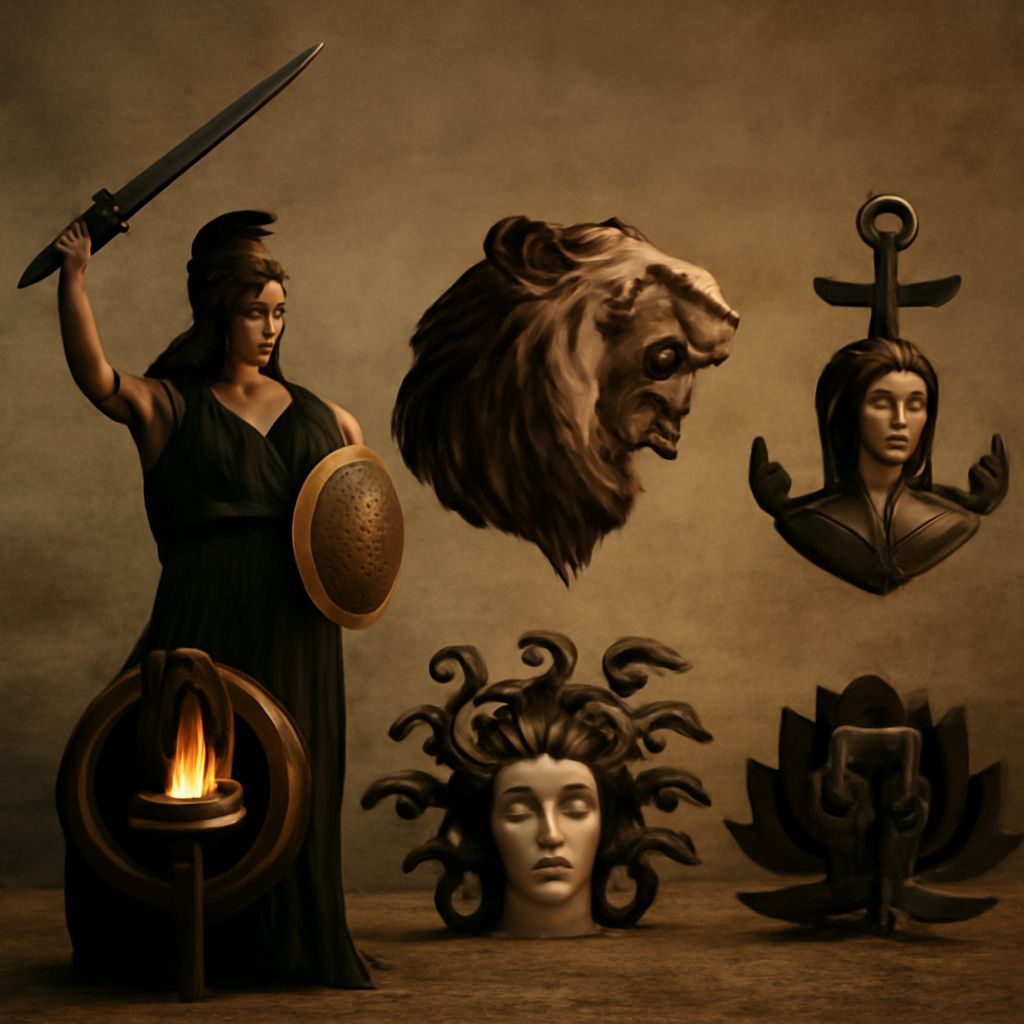
Symbols have always been a profound way to express complex concepts such as family and strength. Through different cultures and periods, symbols for family and strength have embodied values and connections that unite people universally. Exploring these symbols offers insight into their meanings and the powerful emotions they evoke.
Understanding Symbols for Family and Strength
The use of symbols to represent family and strength can be traced back to ancient times. They often encapsulate emotions and values that words alone cannot convey. These symbols are adopted across cultures, each carrying distinct interpretations yet sharing common themes of unity, support, and resilience.
Popular Symbols Meaning Family
Several symbols meaning family resonate deeply across cultures, each telling its unique narrative.
- Celtic Knot: Often referred to as the Triquetra or Trinity Knot, this symbol represents the intricate bond among family members. Its interwoven design signifies interconnectedness and eternity.
- Family Tree: Universally recognized, the family tree symbolizes lineage, growth, and the legacy passed from one generation to another. Its roots signify a strong foundation, while branches represent the expanding family.
- Chinese Character for Family (家): In Chinese culture, the character 家 encapsulates the essence of family, home, and the bonds that hold loved ones together.
Symbols That Convey Strength
Strength is a quality often associated with courage, resilience, and endurance. These symbols are emblematic of power and perseverance.
- Lion: A universal symbol of courage and strength, the lion represents leadership and bravery. It is often depicted in heraldry and art as a guardian and protector.
- Oak Tree: Known for its sturdy trunk and endurance, the oak tree symbolizes strength and resilience. Its ability to withstand harsh weather and live for centuries makes it a powerful emblem of steadfastness.
- Thor’s Hammer (Mjölnir): In Norse mythology, Thor’s Hammer is a symbol of protection and power, wielded by the god Thor to overcome obstacles and enemies.
Cultural Significance of These Symbols
The cultural significance of symbols for family and strength varies but often carries deep-rooted meanings. In many Eastern cultures, symbols are closely tied to philosophical and spiritual beliefs, impacting daily life and traditions.
In Western cultures, symbols like the family tree and lion have been adopted into art, literature, and heraldry, reflecting societal values and narratives. The cross-cultural appeal of these symbols lies in their ability to convey universal themes of love, unity, and perseverance, transcending language and regional boundaries.
Understanding and appreciating these symbols can enrich our perception of the world and offer a deeper connection to the values they represent. Whether worn as jewelry, displayed in homes, or used in personal rituals, these symbols continue to inspire and unite people across the globe.