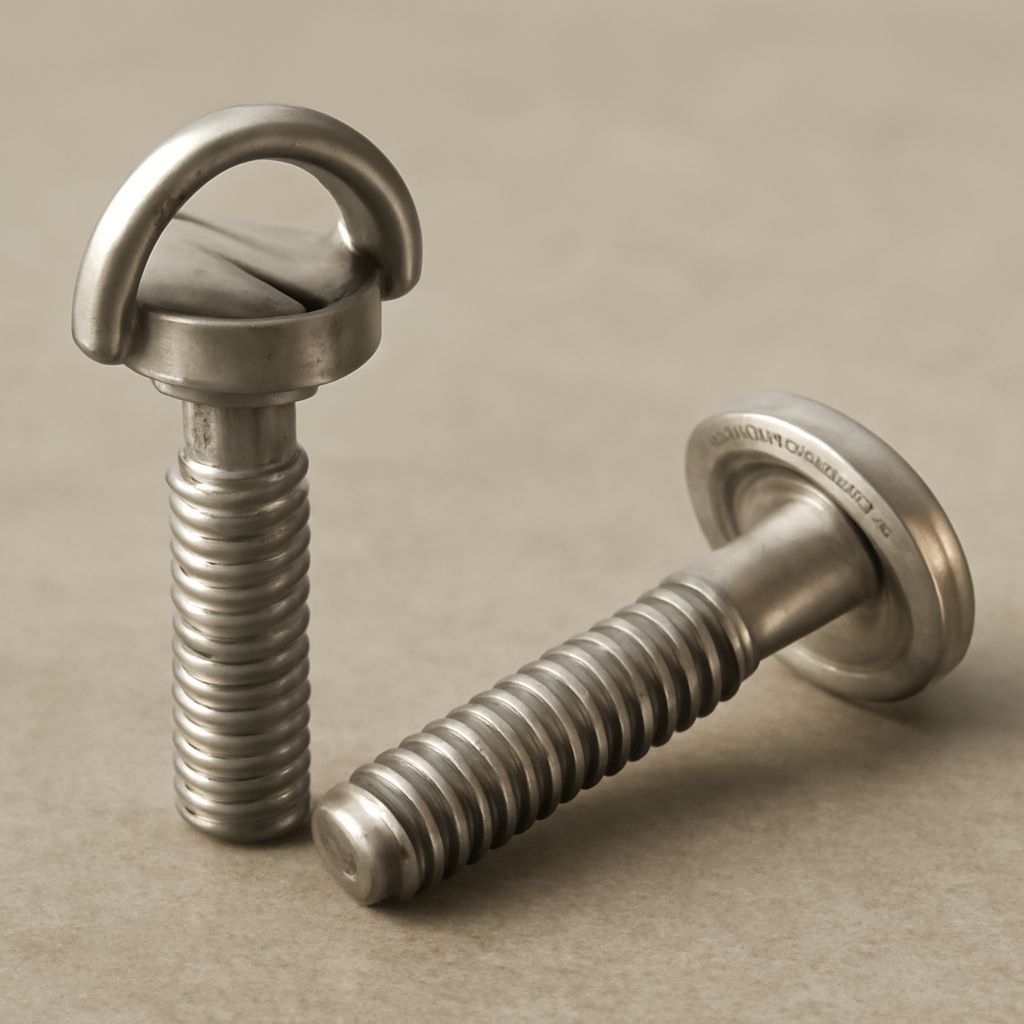
Understanding the intricacies of camera mount thread sizes is essential for photographers and videographers looking to optimize their equipment setup. Whether you’re attaching a camera to a tripod, stabilizer, or other mounting device, knowing the right thread size ensures compatibility and stability. This guide will walk you through the standard thread sizes, the differences between camera and tripod threads, and how to select the right tripod screw size for your needs.
Standard Camera Mount Thread Sizes
The most common camera mount thread size is the 1/4-20 UNC thread. This refers to a 1/4-inch diameter with 20 threads per inch. It’s the standard size used by most cameras and accessories, making it a universal choice for photographers. For larger, professional video cameras, a 3/8-16 UNC thread might be used. This larger size provides more strength and stability, especially useful for heavier equipment.
Differences Between Camera and Tripod Threads
Camera threads and tripod threads are often interchangeable, but it’s critical to recognize that they serve different purposes. The camera tripod thread size is typically the 1/4-20 UNC, as mentioned earlier. In contrast, the tripod screw size can vary depending on the tripod’s design.
Many tripods come with a removable head that can switch between the 1/4-20 and 3/8-16 thread sizes. This flexibility allows photographers to use different types of equipment on the same tripod. When purchasing a new tripod or head, always check the thread specifications to ensure compatibility with your camera gear.
How to Choose the Right Tripod Screw Size
Choosing the right tripod screw size depends on the equipment you intend to use. For standard DSLRs and mirrorless cameras, a 1/4-20 UNC thread is typically sufficient. This size accommodates most consumer-grade cameras and accessories.
If you work with larger, professional video cameras or heavy lenses, consider a tripod with a 3/8-16 thread. This size offers greater stability and can handle more weight without compromising performance. Some tripods come with adapters or a dual-size screw that can accommodate both thread sizes, providing versatility for various shooting scenarios.
When selecting a tripod, consider the weight and size of your equipment, as well as the environment in which you’ll be shooting. A sturdy tripod with the correct screw size can greatly enhance your photography experience.
Common Issues and Solutions
One common issue photographers face is mismatched thread sizes, resulting in an unstable connection between the camera and tripod. This can be resolved by using a thread adapter, which converts one thread size to another, ensuring a secure fit.
Another issue is wear and tear on the threads themselves. Over time, frequent screwing and unscrewing can damage the threads, leading to a loose fit. Regularly inspect your equipment for signs of wear and consider using lubricant to maintain smooth operation.
If you find that your tripod head is not maintaining its position, it could be due to an incorrect screw size or inadequate support for the weight of your camera. In such cases, upgrading to a more robust tripod head or using additional support brackets may be necessary.
By understanding these common issues and their solutions, you can ensure a reliable connection between your camera and tripod, allowing for worry-free shooting in any situation.