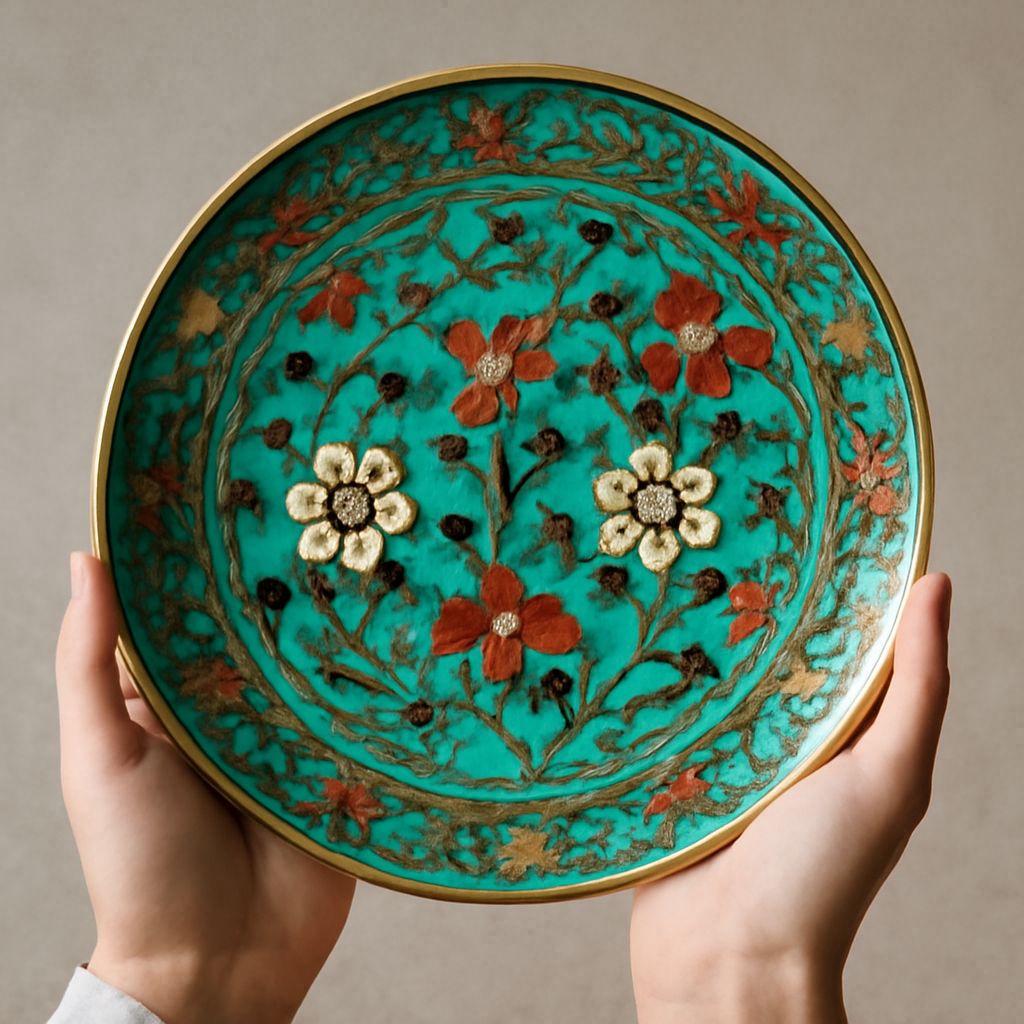
Cloisonné enamel is a time-honored art form that combines metalwork and vibrant enamel to create intricate designs. Revered for its beauty and craftsmanship, cloisonné has been a part of various cultures for centuries, showcasing the skill and creativity of artisans across the globe.
The Art of Cloisonné Enamel
The art of cloisonné enamel involves the use of metal strips to form compartments, known as cloisons, on a metal object. These compartments are then filled with enamel paste. Once the enamel is applied, the piece is fired at high temperatures, causing the enamel to melt and bond to the metal. The result is a stunning piece featuring vivid colors and intricate designs.
What is Cloisonné?
Cloisonné is a decorative art technique where colorful enamel is inlaid into compartments on a metal base. It is often used to create jewelry, vases, and other decorative items. The process begins with a metal object, typically made of copper, which is then shaped to the desired form. Thin metal wires are affixed to the surface to create intricate patterns, forming the compartments that will hold the enamel. This technique allows for precise and detailed designs, making cloisonné a favored medium for expressing artistic creativity.
The Cloisonné Creation Process
The creation of cloisonné enamel involves several meticulous steps. First, a metal object is shaped and prepared as the base. Then, thin metal wires are bent and soldered onto the surface to form the cloisons. These compartments are filled with a paste made from ground glass and water. Once filled, the piece is fired at temperatures between 700 and 900 degrees Celsius. This process may be repeated several times to achieve the desired depth and color intensity. After achieving the desired effect, the piece is polished to a glossy finish.
Historical Significance of Cloisonné
Cloisonné has a rich history that dates back to ancient times, with origins in the Near East. It gained popularity in China during the Ming Dynasty, where it became a highly esteemed art form. Chinese cloisonné is particularly noted for its vibrant colors and intricate designs, often depicting traditional symbols and motifs. Over the centuries, cloisonné has also been embraced in Europe, particularly in France and Russia, where it was used to decorate religious and royal items.
Cloisonné in Contemporary Art
Today, cloisonné continues to be a cherished art form, with contemporary artists exploring innovative designs and techniques. While traditional methods are still revered, modern artists are experimenting with new materials and styles, broadening the scope and appeal of cloisonné. This enduring art form remains a testament to the creativity and skill of artisans, reflecting both historical traditions and modern innovations.