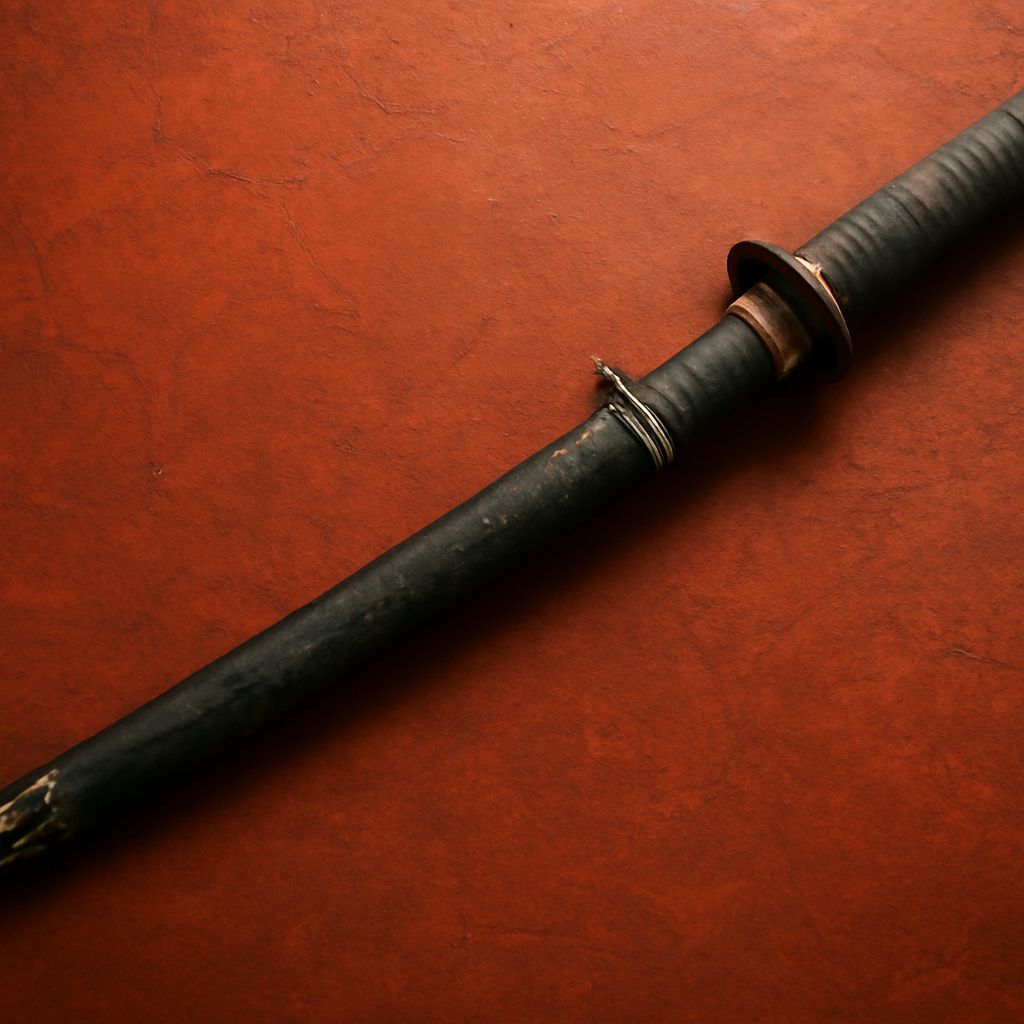
The hwando sword stands as a defining artifact in Korean martial and artistic heritage, embodying technical mastery, cultural values, and centuries of symbolism. Celebrated in both historical accounts and modern visual art, the hwando has transcended its origins as a weapon to become a lasting emblem of identity and tradition. Its distinct features and meanings often invite comparison to the geom sword, another central icon of Korean swordsmanship. Understanding the hwando’s artistry, role, and evolution provides insight into Korea’s broader legacy of craftsmanship and cultural expression.
The Hwando Sword: Definition and Historical Background
The hwando sword is a traditional Korean single-edged sword, easily recognized by its gently curved blade and compact proportions. The term “hwando” specifically refers to civilian and military swords favored from the late Joseon Dynasty through the early 20th century. Unlike ceremonial swords, the hwando was crafted for practical use—worn by soldiers, officials, and even civilians for self-defense and status.
Emerging as a response to both foreign influences and internal innovations, the hwando adopted design elements suited for Korea’s terrain and martial needs. Its relatively short length enabled swift movement in close quarters, complementing the Korean system of swordsmanship (geombeop) that emphasized agility and precise strikes. The hwando’s rise paralleled Korea’s evolving military and social structures, and it became a symbol of readiness and authority during a period marked by significant upheaval and cultural development.
By the 19th century, the hwando had become ubiquitous in Korean society, visible in portraits of scholars, officials, and military leaders. The sword’s presence in visual records and preserved specimens offers a direct line to the material culture and social hierarchies of the era. Although edged weapons eventually gave way to firearms, the hwando’s influence persisted in ritual contexts and as a subject in traditional art.
Artistic Craftsmanship and Visual Features
The hwando sword owes much of its legacy to the artistry of Korean smiths and artisans. Each stage of its creation—from forging the blade to fashioning the scabbard and fittings—embodies a blend of function and visual appeal. Korean smiths employed high-carbon steels and differential hardening techniques to achieve a resilient edge, often leaving a visible hamon (temper line) along the blade. The curvature was carefully moderated to enhance both cutting ability and ease of draw.
Ornamentation set the hwando apart as a status symbol. Scabbards were frequently lacquered and inlaid with mother-of-pearl, horn, or precious metals, showcasing motifs such as cranes, clouds, and plum blossoms—each infused with symbolic meaning. The guard (tsuba) and pommel were often cast or carved into intricate forms, denoting the owner’s social rank or personal taste. Handles (hilt, or jinduk) were wrapped in ray skin or silk cord, ensuring a firm grip while adding a tactile richness.
Regional and chronological variations in hwando design offer a visual record of changing tastes and technologies. Some examples feature minimalist lines and unadorned steel, while others display exuberant decoration, reflecting the wealth and aspirations of their owners. Today, surviving hwando swords are regarded as masterworks of metal and decorative art, attracting collectors and historians alike.
Symbolic Meanings in Korean Culture
Beyond its martial function, the hwando sword carries layered symbolic significance in Korean society. As a personal sidearm, it represented a commitment to justice, self-defense, and public duty—virtues central to Confucian ideology, which shaped much of Joseon-era governance and social norms. For scholar-officials, wearing a hwando signaled not only physical readiness but also moral integrity and loyalty to the state.
The sword’s form and decoration further communicate symbolic messages. Motifs carved or inlaid on the blade and scabbard alluded to longevity, resilience, and auspicious fortune. For example, cranes symbolized immortality, while cloud patterns evoked transcendence and the pursuit of scholarly ideals. The materials chosen for each sword—precious metals for the wealthy, simpler woods and leathers for commoners—mirrored the societal stratification of the time.
Hwando swords also played a role in ritual and memorial practices. Swords were sometimes presented as gifts to honor heroes, bestowed upon new officials as a token of office, or ritually interred with their owners to protect them in the afterlife. Through these customs, the hwando assumed a life beyond the battlefield, bridging the worlds of the living, the honored dead, and the ideals they embodied.
Hwando Sword vs. Geom Sword: Key Differences
While the hwando and geom sword are both central to Korean sword tradition, their design, symbolism, and uses diverge in important ways. The hwando, as discussed, is a single-edged, slightly curved sword optimized for everyday and military use. Its practical dimensions and decorative adaptability made it a widespread accessory for diverse segments of society.
By contrast, the geom sword refers to a broader category—“geom” is the Korean term for sword, but in historical texts it often points to longer, straighter, double-edged swords. These were typically associated with royal or ceremonial functions, and their construction demanded even greater skill and rarity of materials. Geom swords are sometimes enshrined as national treasures, standing as symbols of dynastic legitimacy or spiritual power, rather than tools for personal defense.
In summary, the hwando sword is recognized for its utilitarian roots and decorative diversity, while the geom sword occupies a more formal, sometimes mythic, space in Korean heritage. The two are frequently depicted together in art and literature, yet each speaks to different aspects of Korean history and identity.
The Hwando in Contemporary Art and Exhibitions
Today, the legacy of the hwando sword endures in museums, contemporary art, and cultural reenactments. Notable institutions in Korea and abroad host permanent and rotating exhibitions dedicated to Joseon-era arms, often featuring hwando swords as focal pieces. These displays emphasize not only the technical virtuosity of their makers but also the stories of the individuals and communities they served.
Modern artists and craftsmen draw inspiration from the hwando’s forms and motifs, reinterpreting traditional sword-making in new materials and media. Some employ ancient forging techniques to create replicas or experimental works, while others reference the sword’s visual language in sculpture, painting, or digital art. Through these creative dialogues, the hwando remains a living symbol—bridging the past with the present and inviting new audiences to appreciate its layered meanings.
Collectors and martial arts practitioners continue to seek out hwando swords for their historic, aesthetic, and spiritual value. Whether displayed in a gallery or wielded in a performance, the hwando’s influence on Korean identity and artistic imagination is both immediate and enduring—a testament to its unique place in world heritage.