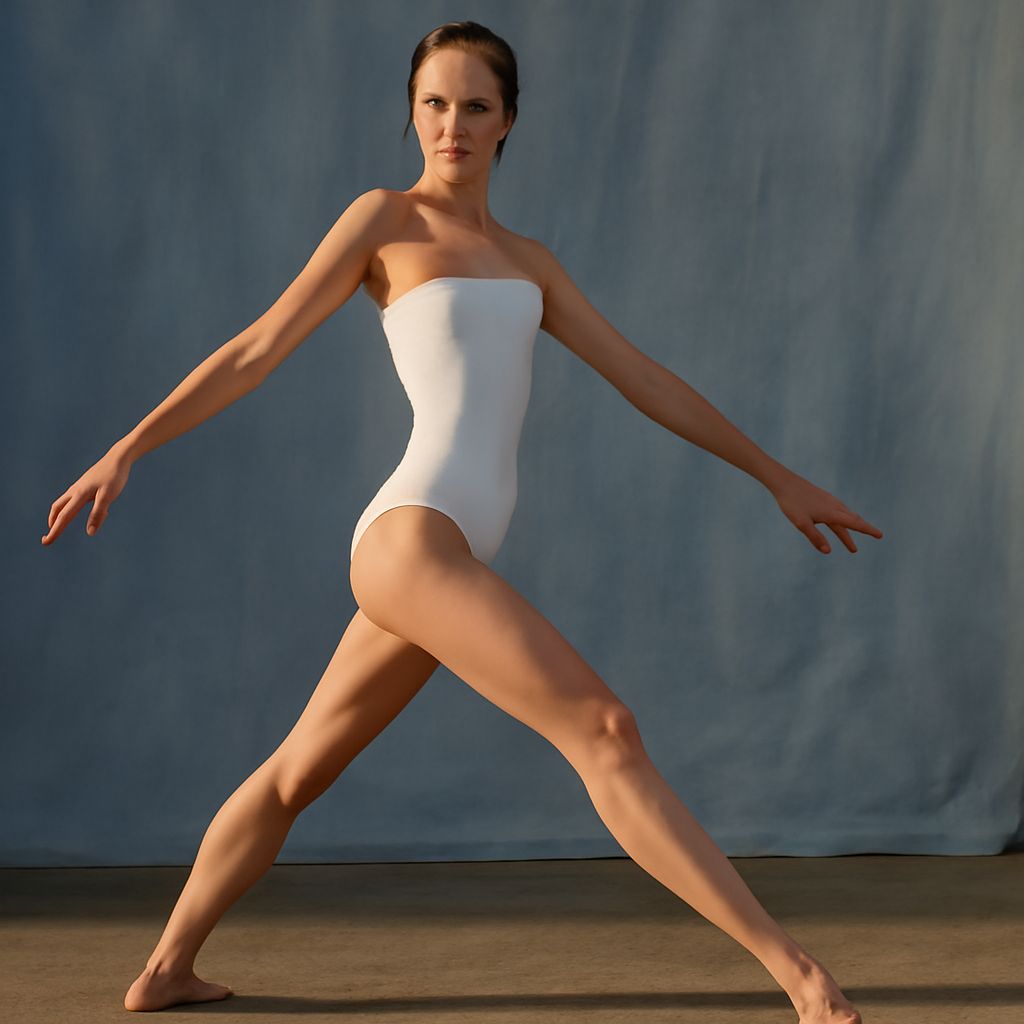
Using references for drawing can significantly enhance your artistic abilities, particularly when it comes to full body drawing. Reference photos serve as crucial tools for artists, providing guidance on anatomy, proportion, and movement. When utilized effectively, they can help you produce more accurate and dynamic figures. This article will explore how to find and use the right human references to improve your drawing skills.
Understanding the Importance of Reference Photos
Reference photos are invaluable for capturing accurate likenesses and understanding the nuances of the human form. They provide a reliable guide to the proportions and postures that may be difficult to visualize from memory alone. By studying these references, artists can learn to depict muscles, joints, and the overall anatomy with greater precision. Moreover, reference photos allow you to observe how light interacts with the body, helping you to create depth and realism in your drawings.
Finding the Right Human References
Locating quality human references is essential for successful full body drawing. Look for images that offer clear views of the figure in various poses and lighting conditions. Websites like Pinterest, Unsplash, and dedicated art reference platforms are excellent sources. Additionally, consider drawing from life whenever possible, as it provides an unparalleled opportunity to observe and interpret the human form in real-time. Whether using online resources or life drawing sessions, ensure your references are diverse in terms of body types, ethnicities, and ages to broaden your skillset.
Techniques for Using Full Body Drawing References
Once you’ve gathered your reference photos, it’s crucial to apply effective techniques to make the most of them. Start by breaking down complex poses into basic shapes, such as circles and cylinders, to understand the underlying structure. This technique helps you maintain correct proportions and guides your overall composition. Pay close attention to the negative spaces around the body, as these can serve as additional guides for positioning limbs and features accurately.
Another useful method is to use reference photos for studying specific body parts or gestures. This focused practice allows you to refine your skills in drawing hands, feet, or facial features, which are often tricky to render. Additionally, attempt to draw from multiple angles to gain a more comprehensive understanding of the form. Over time, this will enhance your ability to draw convincingly without relying heavily on references.
Common Mistakes to Avoid
While using references is beneficial, there are common pitfalls that can hinder your progress. One major mistake is becoming overly dependent on your reference photo, which can stifle creativity and lead to stiff, lifeless drawings. To counteract this, use references as a starting point, then inject your interpretation and style into the work.
Another mistake is neglecting the study of anatomy. Even with a reference, a lack of understanding of the human body can result in inaccuracies. Complement your use of references with regular anatomy studies to ensure your drawings are grounded in reality. Finally, avoid using low-quality or inappropriate references, as they can misguide your efforts and compromise the quality of your work.