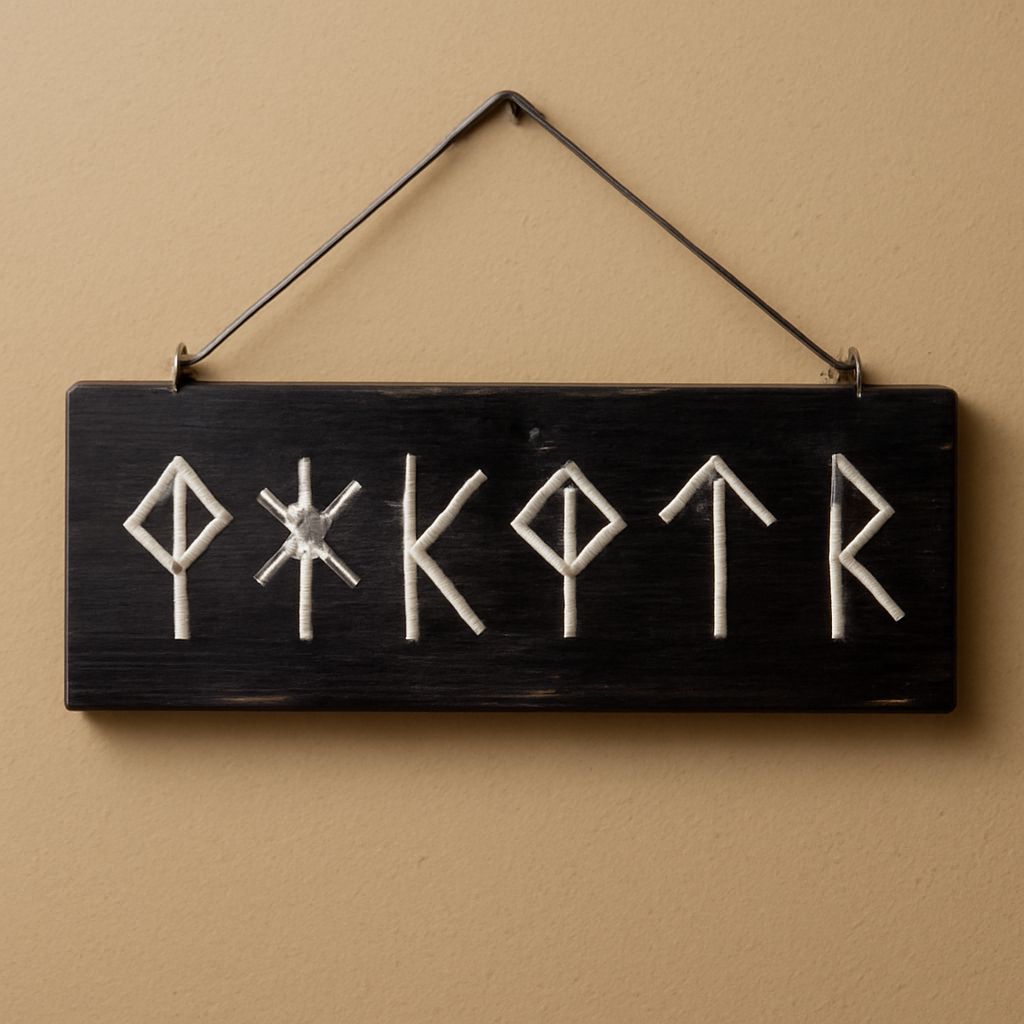
The Viking protection rune holds enduring intrigue for those drawn to Norse mysticism, Scandinavian heritage, and symbolic art. This ancient emblem isn’t just an artifact of the past—it continues to inspire meanings of safety, strength, and resilience in modern life. By exploring both its historical roots and present-day relevance, we can understand how the Viking protection symbol resonates across centuries.
What Is the Viking Protection Rune?
The phrase “Viking protection rune” refers to specific runic symbols from Norse tradition believed to provide shielding, empowerment, or defense against harm. While the runic alphabet known as the Elder Futhark contains twenty-four characters, not all were used for protection. A handful of powerful glyphs and bind runes (combinations of multiple runes) gained reputations as potent talismans during the Viking age and beyond.
Two symbols stand out in this tradition: Algiz and the Ægishjálmr, also known as the Helm of Awe. Algiz (ᛉ), resembling an upright stick with three “branches” at the top, is widely accepted as the classic Viking protection rune. The Ægishjálmr, a complex symbol formed from intersecting runic staves, is the most famous Viking protection symbol recognized today. Both appear on a range of historical artifacts, amulets, and manuscripts from the Norse and post-Viking periods.
These symbols were not just decorative. Vikings and their descendants believed that inscribing, wearing, or visualizing these runes would invoke protective energies from the gods or the cosmos, ward off evil, and foster courage in the face of adversity.
Historical Origins and Cultural Significance
The origins of Viking protection runes stretch back to the early Germanic peoples, whose runic alphabets emerged around the second century CE. By the Viking Age (c. 793–1066 CE), Norse societies had integrated runes into daily life, using them for communication, memorials, ritual magic, and as marks of power.
Archaeological discoveries have uncovered runic inscriptions on swords, armor, runestones, and personal items, suggesting that Vikings used runes both for practical record-keeping and for magical or spiritual purposes. The Algiz rune, in particular, was often carved onto weapons or worn as a pendant, signifying a plea for divine guardianship during travel or battle. The Ægishjálmr, meanwhile, appears in several post-medieval texts, most notably the Icelandic grimoire tradition, where it is connected to invincibility and fearlessness.
Protection runes also played a role in Norse mythology. Algiz may be linked to the yew tree or elk, both associated with resilience and spiritual defense. The Ægishjálmr was reputedly used by warriors, sometimes paired with rituals or incantations, to intimidate enemies and shield the bearer from harm. The belief in these symbols’ powers persisted well after the decline of Viking paganism, echoing in folk magic and Scandinavian superstitions.
As Christianity spread throughout Scandinavia, the overt magical use of runes diminished but never vanished. Instead, their symbolic significance endured, woven into family crests, folk art, and even church decorations as echoes of their protective heritage.
Key Viking Protection Symbols and Their Meanings
While Algiz and the Ægishjálmr are the principal symbols, several other runes and bind runes served protective purposes for the Vikings. Understanding their forms and associated meanings offers insight into the Norse worldview.
- Algiz (ᛉ): Often interpreted as the rune of protection, Algiz was believed to channel divine help and safeguard the bearer from physical and spiritual threats. Its shape resembles an outstretched hand or a tree, both potent symbols of protection and connection to higher powers.
- Ægishjálmr (Helm of Awe): This is a striking symbol made of eight arms radiating from a central point, each ending in a trident. It was thought to instill fear in adversaries and grant the wearer a shield of invulnerability, both on the battlefield and in metaphysical struggles.
- Tiwaz (ᛏ): Associated with the god Tyr, this rune stands for honor, justice, and victory in conflict. Though not exclusively a protection rune, its presence on weapons and amulets was intended to ensure triumph and rightness in perilous situations.
- Bind Runes: Vikings sometimes combined two or more runes to amplify their effects. For example, a bind rune joining Algiz with other runes for strength or luck would create a custom talisman tailored to the wearer’s specific needs.
Each Viking protection symbol was more than a simple mark; it carried layers of meaning derived from myth, environment, and personal belief, making these runes deeply individual as well as culturally shared.
Modern Interpretations and Uses of Viking Protection Runes
Today, Viking protection runes are enjoying a resurgence among people seeking connection to their Norse ancestry, those interested in pagan or esoteric practices, and design enthusiasts captivated by their stark elegance. Their meanings have broadened, now often representing personal strength, resilience in adversity, and the desire for spiritual safeguarding.
Modern jewelry and tattoos frequently feature the Algiz rune or the Helm of Awe, transforming ancient symbolism into contemporary statements. Some practitioners of Norse-inspired spirituality use these symbols in rituals, meditations, or as altar decorations, aiming to invoke the traditional protective qualities attributed to the runes.
Artists and craftspeople incorporate Viking protection symbols into home décor, clothing, and even digital art to convey a sense of history, identity, or mystical power. For those approaching these symbols from a secular perspective, they offer aesthetic inspiration and a link to the enduring spirit of Viking culture.
For individuals drawn to the protective resonance of these runes, it is important to approach them with respect and contextual understanding. Whether used as personal amulets, in creative projects, or spiritual practices, the Viking protection rune and its sibling symbols continue to bridge the ancient and the modern, embodying the timeless human desire for safety, courage, and belonging.