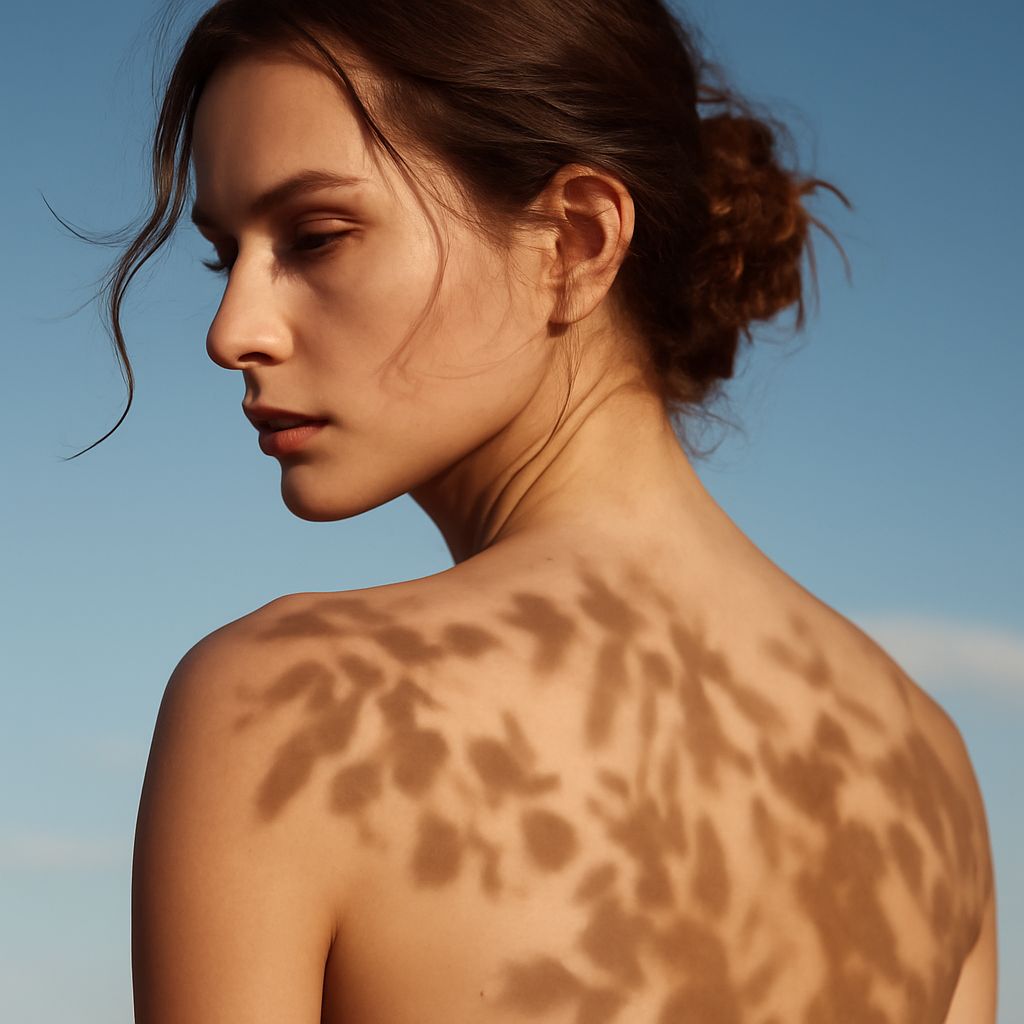
A successful watercolor portrait begins with composition, not detail. Before painting features, decide where the sitter will sit on the page, which value shapes describe the head, and how the surrounding space will support the likeness.
Figure-ground analysis makes those decisions visible. Treat the person as the figure and everything around them as the ground, then control value, shape, color, edges, and space so the face remains readable without losing watercolor’s transparency and softness.
Analyze the Formal Qualities of a Watercolor Portrait
The formal qualities of art are the visual tools that organize an image. In a watercolor portrait, examine them before mixing paint:
- Value: Group the reference into light, middle, and dark families. A clear dark around the eyes, hair, or jaw can establish emphasis, while a pale face against a middle-value ground can create quiet focus.
- Shape: Look for the head as one large shape before separating it into eyes, nose, and mouth. The silhouette, hair mass, and shadow planes usually matter more to likeness than small details.
- Color: Identify dominant temperature and accents. A warm face against a cooler background may advance, while related colors can make the portrait feel atmospheric and unified.
- Edge: Hard edges attract attention; soft and lost edges allow areas to recede. Reserve sharper edges for important turns of the face and soften transitions in cheeks, hair, or the background.
- Space: Empty space affects emphasis. More room in front of the sitter’s gaze can create openness; a tight crop can make the portrait feel direct and concentrated.
Plan the Figure-Ground Relationship
In a portrait, the figure-ground relationship is the interaction between the sitter and the surrounding paper or background. The figure is not defined by its outline alone. It is also defined by the value, color, and edges immediately outside it.
Make a small thumbnail first. Mark the head’s outer contour, the largest shadow shape, the direction of the gaze, and the main background shape. Test whether the face separates from the ground at its lightest and darkest points. If hair merges into the background, decide whether that lost edge is intentional or whether a narrow value shift is needed.
Keep the ground simple enough to support the figure. A broad, uneven wash can echo the head’s shape without competing with it. Avoid placing a high-contrast mark beside an unimportant cheek or ear; that mark will pull attention away from the intended focal area.
Build the Watercolor Portrait From Drawing to Accents
- Set the design. Lightly draw the placement, tilt, centerline, eye line, jaw, and major hair silhouette. Check proportions by comparing distances between landmarks rather than tracing details.
- Reserve highlights. Protect the brightest paper, especially in the eyes, forehead, nose, or cheek. Use masking only when a highlight must remain crisp; otherwise, paint around it.
- Lay in the first wash. Apply a transparent, broad wash for the overall skin temperature and background family. Let it dry or become nearly dry before adding passages that must stay clean.
- Establish value groups. Add the large middle and shadow shapes in connected passages. Describe the eye sockets, nose side plane, under-chin area, and hair mass without outlining every feature.
- Strengthen the focal structure. Deepen selected accents around the eyes, nostrils, lips, and contact points. Keep these darks subordinate to the overall value design; isolated black marks can flatten the face.
- Pause and assess. Squint or view the painting from a distance. If the likeness fails, correct the large shape, angle, or value relationship before adding more detail.
Refine Edges, Color, and Surrounding Space
Use edge variety to control the viewer’s path. Keep a few firm edges near the eyes, mouth, or defining contour, then soften adjacent boundaries with clean water, a damp brush, or a connecting wash. A lost edge can be especially effective where hair meets a similar ground, while a crisp edge can separate the cheek from a contrasting background.
Adjust color by relationship rather than by trying to match every local hue. A cool passage beside a warm cheek can clarify the form; a restrained background color can make a small facial accent more noticeable. If the ground becomes too busy, glaze it with a transparent unifying wash or lift distracting marks while the paper still allows correction.
Finish by checking the surrounding space as carefully as the face. Uneven margins, awkward tangencies, or a background shape that points away from the sitter can weaken the composition. The finished watercolor portrait should have a readable silhouette, a deliberate focal value, varied edges, and enough open space for the figure to breathe.