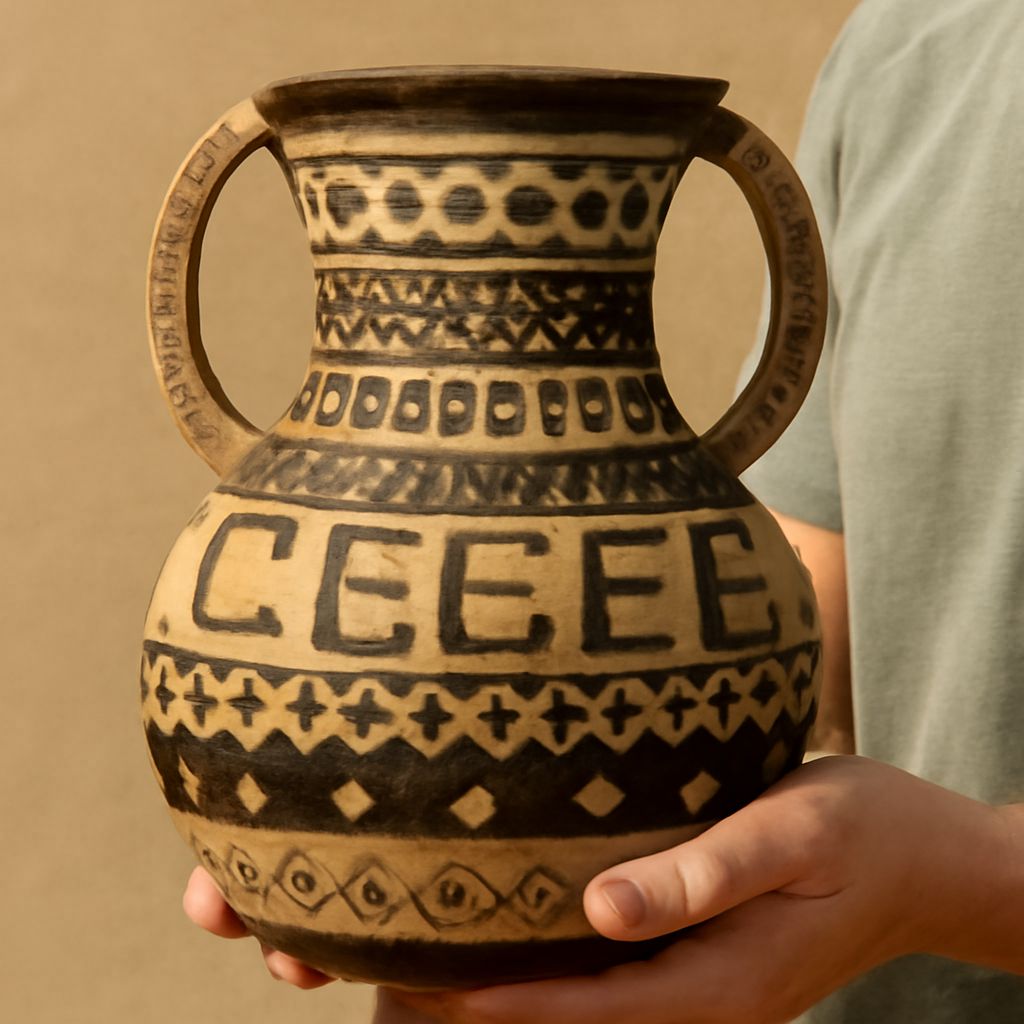
Greek vases are not just artifacts but are windows into the cultural and artistic practices of ancient Greece. Their enduring beauty and intricate designs have captivated historians, art lovers, and collectors alike. From grand amphorae to delicate kylixes, each piece tells a story of the period it came from and the hands that crafted it. In this exploration, we delve into the historical significance, styles, and cultural impact of these timeless objects.
The Historical Significance of Greek Vases
Greek vases hold immense historical significance as they document the daily life, mythology, and cultural values of ancient Greece. These vases were often used for practical purposes such as storing oil, grain, and wine. However, beyond their utility, they served as canvases for artists to depict mythological tales and everyday scenes, offering modern historians insights into ancient Greek society. The narratives captured on these vases provide a comprehensive understanding of Greek myths, religious rituals, and social conventions.
Key Styles and Types of Ancient Greek Vases
Ancient Greek vases can be categorized into several styles and types, each with distinct characteristics. The Geometric style, emerging around 900 BCE, is characterized by its linear motifs and abstract designs. As we move into the Archaic period, the Black-Figure technique became prevalent, where figures were painted in black slip on the natural red clay of the vase. This was followed by the Red-Figure technique, which reversed the color scheme, allowing for greater detail and complexity in the depiction of human figures.
Essential types of vases include the amphora, used for storage; the krater, used for mixing water and wine; the kylix, a drinking cup; and the lekythos, a vessel for holding oils. Each type had a specific function and was often associated with particular rituals or daily activities.
The Intricate Patterns of Greek Pottery Art
Greek pottery art is renowned for its intricate patterns and sophisticated designs. The decorative motifs often included geometric patterns, floral designs, and scenes from mythology. The artistry lay in the precision and creativity with which these patterns were executed, often covering the entire surface of a vase.
The use of meanders, or Greek keys, is one of the most recognizable Greek pottery patterns, symbolizing infinity or the eternal flow of things. Scenes depicted on vases ranged from the epic exploits of gods and heroes to ordinary domestic activities, each rendered with skill and attention to detail that highlight the potter’s craftsmanship and the cultural narratives of the time.
The Cultural Impact of Greek Pottery
Greek pottery has left a lasting impact on art and culture, influencing subsequent generations of artists and craftsmen. These vases were highly valued and traded throughout the Mediterranean, spreading Greek culture far beyond its borders. The aesthetic principles and techniques developed by ancient Greek potters continue to inspire modern ceramicists and artists.
Moreover, the study of Greek vases helps us understand the evolution of Western art and the foundational role that ancient Greek culture played in shaping artistic expression. Their legacy is evident not only in the preservation and admiration of these works in museums worldwide but also in the ongoing interest in recreating and interpreting Greek pottery art in contemporary contexts.
In conclusion, the art of Greek vases offers a fascinating insight into a civilization that laid the groundwork for much of Western art and culture. Through their historical significance, diverse styles, and intricate patterns, these vases remain a testament to the artistic prowess and cultural richness of ancient Greece.