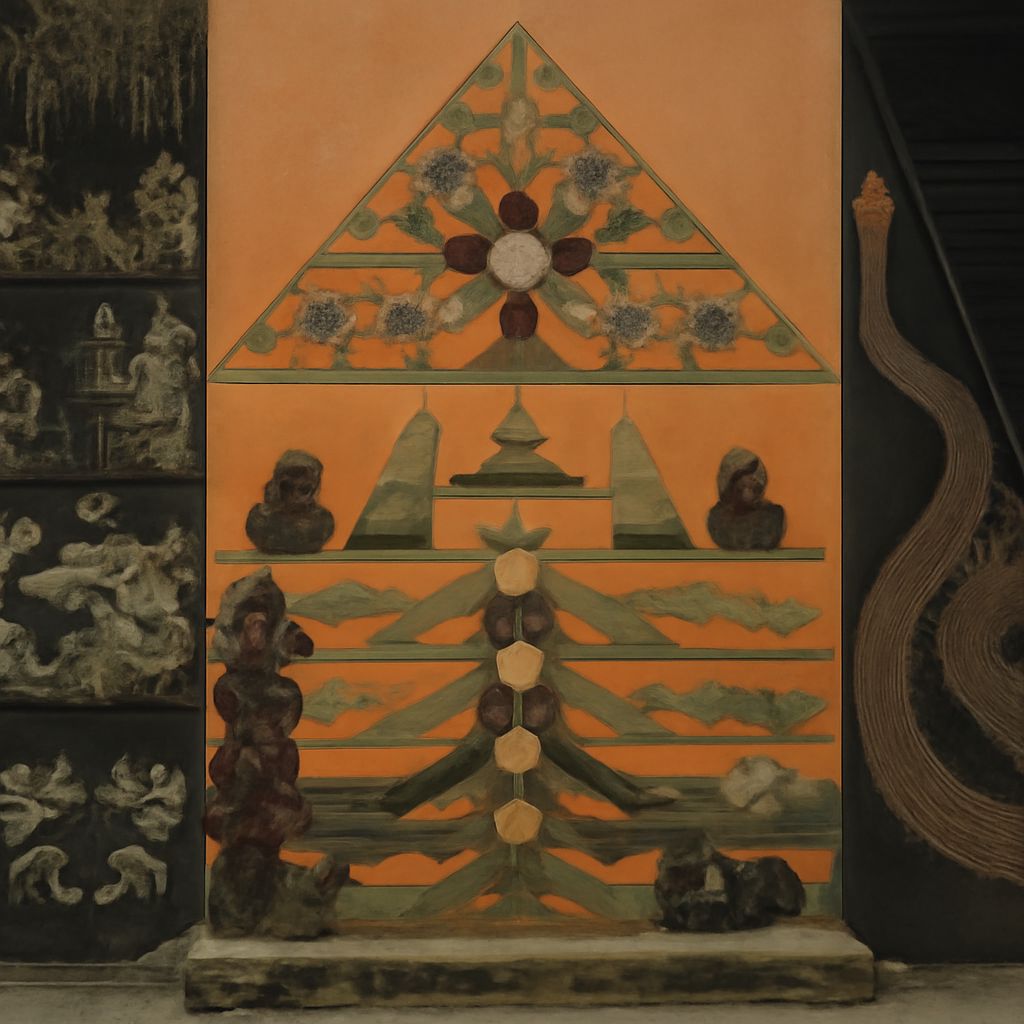
Batik art is a centuries-old craft that involves creating stunning patterns on fabric using a wax-resist dyeing technique. This intricate art form is deeply rooted in cultural traditions, particularly within Southeast Asia, and is celebrated for its unique blend of artistry and craftsmanship. Its enduring appeal lies in the vibrant colors and intricate designs that tell stories of cultural heritage and identity.
What is Batik?
At its core, batik is a method of decorating fabric by applying wax to specific areas before dyeing. This process creates striking patterns as the waxed sections resist the dye, resulting in a multicolored design once the wax is removed. Batik art is not just about the final design but also the meticulous process that includes waxing, dyeing, and removal. This technique allows for a wide range of designs, from geometric patterns to detailed depictions of flora and fauna.
Historical Significance of Batik Art
Batik art has a rich history, with its roots tracing back over 2,000 years. Although its exact origin is debated, it is widely recognized that the art form flourished in Indonesia, particularly on the island of Java. Initially, batik was a symbol of status, with certain patterns reserved exclusively for royalty and nobility. Over time, the art of batik spread to various regions, each developing its own unique styles and motifs influenced by local culture and environment.
The historical significance of batik is also evident in its role in rituals and ceremonies. In many cultures, batik garments are worn during important life events, symbolizing various aspects of life and spirituality. The designs often carry meanings, with specific patterns believed to bring luck, protection, or prosperity.
Techniques Used in Batik Art
Batik art is characterized by several distinct techniques, each contributing to the diversity of designs and styles. The most traditional method is the batik tulis, or hand-drawn batik, where artisans apply wax to fabric using a canting, a tool resembling a small, spouted teapot. This method allows for intricate and detailed designs, showcasing the artist’s skill and creativity.
Another common technique is batik cap, which involves the use of a copper stamp or cap to apply wax patterns. This method is faster than hand-drawing and is often used for producing large quantities of fabric. Despite being less personalized, stamped batik maintains the richness and depth characteristic of traditional batik designs.
Modern adaptations have introduced new methods, such as digital batik, which combines traditional patterns with contemporary technology. These innovations have helped keep the tradition alive, making it accessible to a broader audience while preserving its artistic integrity.
Cultural Impact of Batik Art
Batik art is more than just a decorative craft; it is a vital component of cultural identity and heritage. In Indonesia, batik is a symbol of national pride, recognized by UNESCO as a Masterpiece of Oral and Intangible Heritage of Humanity. This recognition underscores the importance of batik in cultural expression and preservation.
The impact of batik extends beyond its place of origin, influencing fashion and design globally. Many international designers have incorporated batik patterns into their collections, celebrating its aesthetic and cultural value. This global appreciation has elevated batik from a traditional craft to a modern art form with universal appeal.
Moreover, batik plays a crucial role in supporting local economies, particularly in regions where it is a cultural staple. Artisans and small businesses thrive through the production and sale of batik, sustaining communities and preserving traditional skills for future generations.
In conclusion, batik art is a vibrant tapestry of history, technique, and culture. Its intricate designs and profound cultural significance make it a cherished artistic tradition that continues to inspire and captivate audiences worldwide.