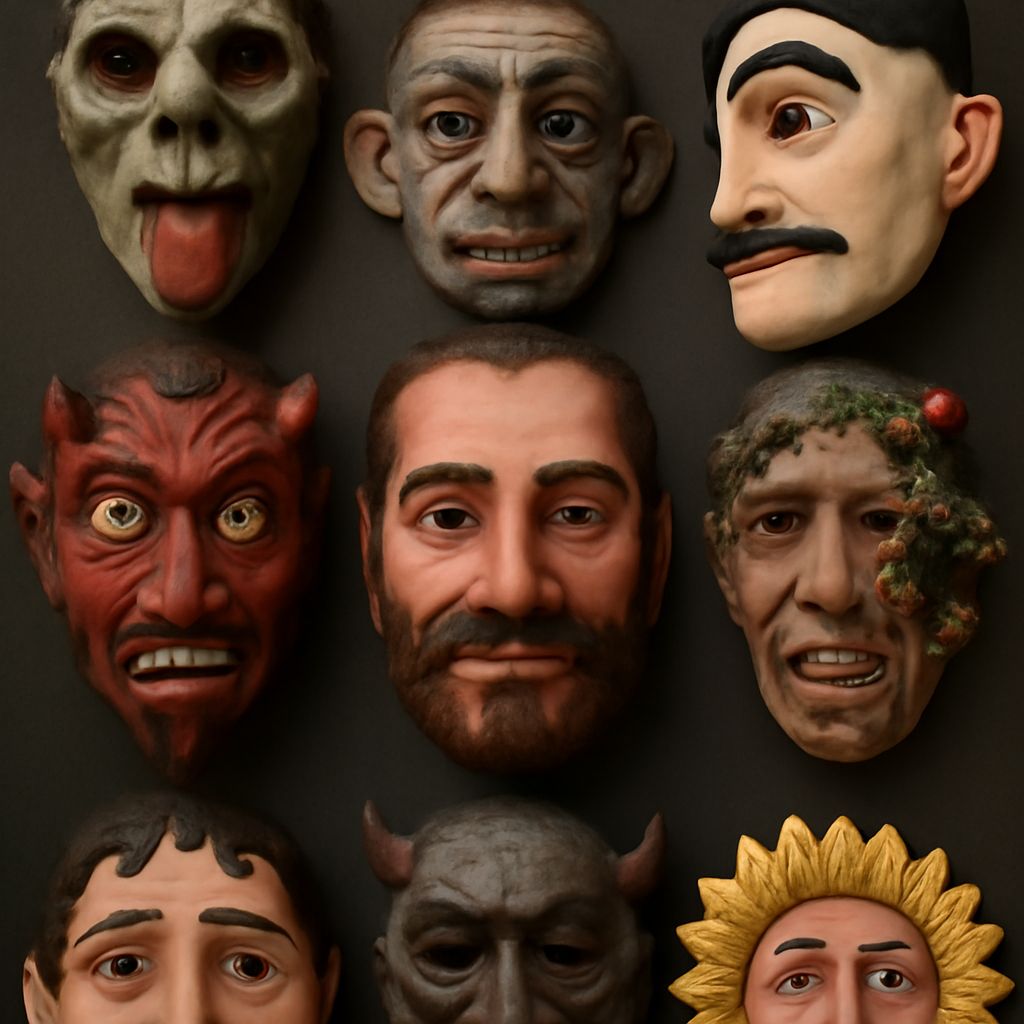
High school art projects provide an invaluable opportunity for students to express themselves creatively and develop essential artistic skills. Engaging students with diverse mediums and innovative concepts can lead to profound personal growth and a deeper appreciation for art. Whether through exploring new materials, incorporating cultural themes, or working together on collaborative projects, the possibilities for creative art projects in high school are virtually limitless.
Exploring Diverse Art Mediums
One of the most exciting aspects of high school art is the chance to explore a variety of art mediums. From traditional options like painting and drawing to more modern techniques such as digital art and mixed media, students have the opportunity to find a medium that resonates with them. Experimenting with different textures and styles not only enhances technical skills but also encourages students to think outside the box. For instance, introducing students to sculpture using clay or recycled materials can spark an interest in three-dimensional art forms.
Incorporating Cultural Themes
Incorporating cultural themes into high school art projects enriches students’ understanding of global perspectives and history. By exploring art from different cultures, students can learn about the traditions, values, and historical contexts that influence various artistic expressions. A project might involve researching a specific culture’s art style and creating a piece inspired by it. This approach not only broadens students’ horizons but also encourages empathy and appreciation for diversity. It’s a meaningful way to connect artistic practice with cultural education, making art a bridge to understanding.
Collaborative Art Projects
Collaborative art projects offer an excellent opportunity for students to learn teamwork and communication skills while creating something unique. Working on a group mural or a large-scale installation requires students to plan, negotiate, and combine their individual talents towards a common goal. This process can teach valuable lessons in compromise and creativity. Collaborative projects also provide a platform for students to share their ideas and learn from each other, fostering a sense of community and shared accomplishment.
Sustainability in Art
With growing awareness of environmental issues, sustainability in art has become an important theme for high school projects. Encouraging students to use recycled or sustainable materials in their art projects can highlight the importance of environmental responsibility. Projects might include creating sculptures from discarded objects or using eco-friendly paints and papers. These creative art projects not only promote environmental awareness but also challenge students to think critically about consumption and waste. By integrating sustainability into art education, students learn to appreciate the impact of their artistic choices on the world.