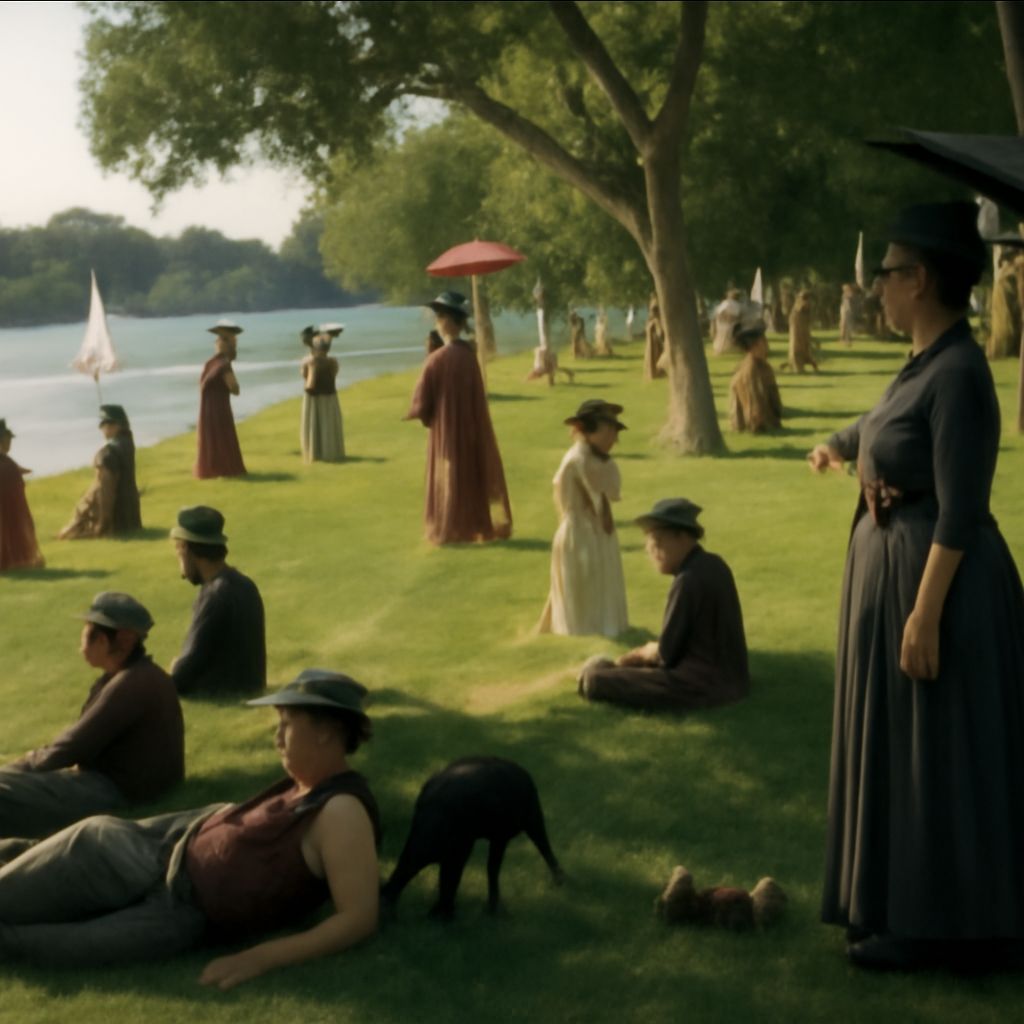
Modernist art emerged as a groundbreaking movement that sought to break away from traditional forms and conventions. It introduced a new perspective in the art world by emphasizing innovation, abstraction, and the subjective experience of reality. This guide explores the essence of modernist art, its defining characteristics, and its enduring impact on contemporary art forms.
What Defines Modernist Art?
At its core, modernist art is characterized by a deliberate departure from historical styles and an embrace of experimentation in technique and form. This movement thrived on the idea of redefining art as an expression of personal and subjective vision rather than a mere representation of the external world. As a result, modernist art often features abstract forms, bold colors, and a focus on the artist’s inner thoughts and feelings. Key elements include a rejection of realism, an interest in new materials and techniques, and a desire to reflect the complexities of modern life.
Key Movements in Modernism
Modernism in art encompasses a variety of movements, each with its own distinct characteristics. Notable among these are:
- Impressionism: Often considered the starting point of modern art, Impressionism focused on capturing light and movement through loose brushwork and vibrant colors.
- Cubism: Pioneered by Pablo Picasso and Georges Braque, Cubism deconstructed objects into geometric shapes, offering multiple viewpoints within a single composition.
- Futurism: Originating in Italy, Futurism celebrated the dynamism of modern technology and industry, emphasizing speed and movement.
- Surrealism: This movement explored the unconscious mind, blending dreams with reality to create fantastical and thought-provoking imagery.
- Abstract Expressionism: Emerging in the United States post-World War II, this movement emphasized spontaneous, automatic, or subconscious creation.
Influential Artists and Their Impact
Several artists played pivotal roles in the development and proliferation of modernism in art:
- Pablo Picasso: A towering figure in 20th-century art, Picasso’s innovations in Cubism altered the perception of form and space in visual art.
- Henri Matisse: Known for his use of color and fluid draughtsmanship, Matisse’s work in Fauvism and beyond showcased the emotive power of color.
- Jackson Pollock: A leading figure in Abstract Expressionism, Pollock’s “drip” paintings embodied the movement’s emphasis on spontaneity and personal expression.
- Salvador Dalí: With his surrealist masterpieces, Dalí brought the dreamlike and bizarre to the forefront of modernist art.
- Marcel Duchamp: Through his readymades and conceptual art, Duchamp challenged the very definition of art, paving the way for future avant-garde movements.
Modernism’s Legacy in Contemporary Art
The influence of modernist art persists in today’s artistic expressions. Contemporary art continues to draw from the modernist emphasis on innovation, abstraction, and challenging the status quo. Artists today often blend digital technology with traditional techniques, further expanding on the modernist legacy of experimentation. Additionally, the movement’s focus on individual perspective and subjective experience resonates with current explorations of identity and social issues. Modernism laid the groundwork for a diverse range of artistic expression, ensuring its relevance in the ever-evolving landscape of contemporary art.