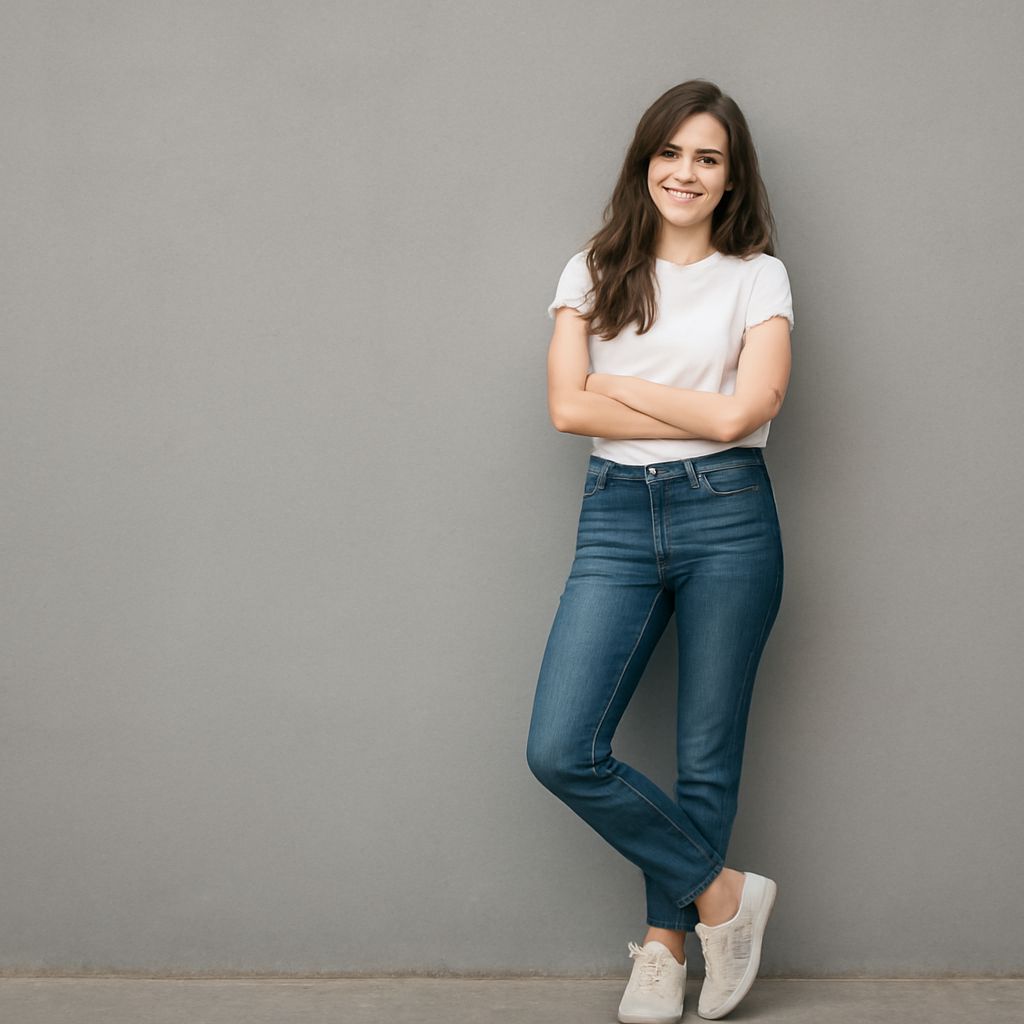
The woman standing pose has long been a staple in portraiture, embodying a blend of grace, strength, and personality. Whether captured in photography or painted on canvas, the female standing pose can convey a myriad of emotions and narratives, making it a perennial favorite among artists and photographers. This article delves into its significance, techniques for capturing it effectively, its historical evolution, and some iconic examples that have shaped visual culture.
The Significance of the Woman Standing Pose
The woman standing pose serves as a powerful tool for expressing individuality and character. It can highlight confidence, elegance, and poise, often setting the tone for the entire portrait. The pose can vary from a relaxed stance, suggesting serenity and openness, to a more assertive posture, embodying strength and determination. This versatility makes it an essential component in portraying the complexities of femininity and identity. Artists and photographers often use this pose to emphasize the subject’s personality, allowing for a dynamic interaction between the viewer and the portrait.
Techniques for Capturing the Female Standing Pose
Achieving the perfect female standing pose requires a keen understanding of body language and composition. Here are some techniques to consider:
- Balance and Symmetry: A well-balanced pose is visually appealing and often conveys harmony. Adjusting the weight distribution on the feet and ensuring the posture is symmetrical or intentionally asymmetrical can affect the overall impact.
- Naturalness: Encourage the subject to relax and avoid overly stiff or unnatural positions. A pose that feels comfortable often translates to a more genuine and relatable portrait.
- Angle and Perspective: Experimenting with different angles can dramatically change the perception of the pose. Lower angles might emphasize power, while higher angles can create a sense of vulnerability.
- Expression and Gaze: The direction of the subject’s gaze and the facial expression can influence the mood of the portrait. Whether looking directly at the camera or off to the side, these elements should complement the overall theme of the image.
Historical Context and Evolution
The woman standing pose has evolved significantly throughout art history. Early depictions often adhered to rigid standards of beauty and decorum, focusing on idealized forms and classical proportions. As art movements progressed, the pose became a medium for exploring individuality and social themes. The Renaissance brought a focus on realism and anatomy, while the Impressionists captured fleeting moments and emotions. In modern times, the pose has been used to challenge stereotypes and highlight diversity, reflecting broader cultural shifts and the evolving role of women in society.
Famous Examples in Art and Photography
Several iconic pieces have utilized the woman standing pose to great effect, leaving a lasting impact on visual culture:
- “Woman with a Parasol” by Claude Monet: This Impressionist masterpiece captures the gentle movement of the wind, the beauty of light, and the elegance of the standing pose, creating a serene and captivating image.
- “Portrait of Adele Bloch-Bauer I” by Gustav Klimt: Known for its ornate detail and striking composition, the standing pose here exudes confidence and sophistication, showcasing Klimt’s unique style.
- “Migrant Mother” by Dorothea Lange: This iconic photograph from the Great Depression era highlights resilience and strength, with the standing pose emphasizing the determination of the subject.
These examples demonstrate the pose’s versatility and enduring appeal in capturing the essence of femininity and strength. As artists and photographers continue to explore the possibilities within this pose, it remains a powerful means of expression in visual storytelling.