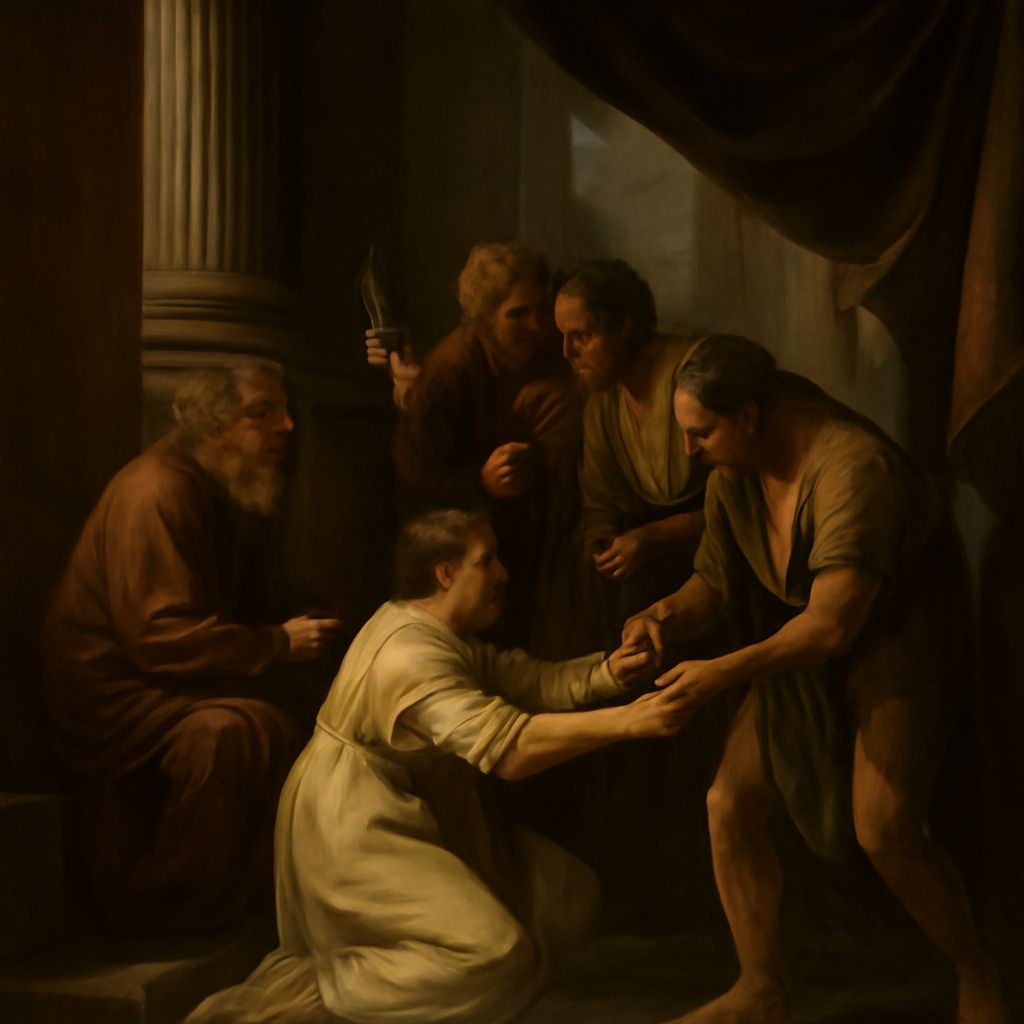
The art of copper engraving is a fascinating blend of technical skill and artistic expression, offering a look into the precision and creativity required to transform a copper plate into a work of beauty. This technique, which involves incising a design onto a hard surface, has played a significant role in the history of art and continues to capture the imagination of artists and collectors alike.
The History of Copper Engraving
Copper engraving has a rich history dating back to the 15th century. This technique was developed to create detailed prints and was initially used for illustrating books and reproducing works of art. It gained prominence during the Renaissance period, with artists such as Albrecht Dürer bringing it to new heights. Dürer’s engravings are renowned for their intricate details and impeccable craftsmanship, and they helped establish engraving as a respected art form.
The popularity of copper engraving continued into the 16th and 17th centuries, where it was often used for producing maps and scientific illustrations. The technique allowed for high detail and clarity, which was crucial for documents that required precision. As printing technology advanced, copper engraving maintained its place as a valuable technique for producing fine art prints and illustrations.
Techniques Used in Copper Engraving
Creating a copper engraving involves several meticulous steps. Artists begin by selecting a polished copper plate and covering it with a thin coating of wax or resin. They then use a tool called a burin to cut into the plate, carefully carving out the design. The depth and width of each line affect the final print, with deeper cuts holding more ink and resulting in darker lines.
Once the design is complete, the plate is inked, and the surface is wiped clean, leaving ink only in the incised lines. The plate is then pressed onto paper, transferring the design. This process can be repeated to produce multiple prints from a single plate. The skill involved lies in the engraver’s ability to control the burin and achieve the desired line quality, which can range from delicate fine lines to bold, sweeping strokes.
The Role of Copper Engraving in Visual Culture
Copper engraving has had a significant impact on visual culture. It played a crucial role in disseminating information and art during the Renaissance and beyond. The ability to produce multiple copies of a single design allowed for wider distribution of artwork, making it accessible to a larger audience.
In addition to its use in art, copper engravings have been instrumental in scientific discovery and documentation. Detailed engravings of plants, animals, and anatomical studies provided a visual record that could be shared and studied by scholars worldwide. This helped advance scientific knowledge and contributed to the Enlightenment’s emphasis on observation and documentation.
Famous Copper Engravings and Artists
Several artists have achieved fame for their work in copper engraving. Albrecht Dürer, as mentioned earlier, is perhaps the most renowned, with works such as “Melencolia I” and “Knight, Death, and the Devil” showcasing his mastery of the medium. His engravings are celebrated for their complexity, precision, and depth of expression.
Another notable artist is Rembrandt van Rijn, who, although better known for his paintings, created a series of remarkable engravings. His work “The Three Crosses” demonstrates his ability to convey mood and narrative through the medium of engraving, using a variety of techniques to achieve rich tonal contrasts.
In the realm of science, engraver Maria Sibylla Merian stands out for her detailed and scientifically accurate illustrations of insects and plants. Her work “Metamorphosis insectorum Surinamensium” is a landmark in entomology and botanical illustration, showcasing the potential of copper engraving to blend art with scientific inquiry.
Through these examples, we can see that copper engraving is not only an art form but also a crucial means of communication and documentation that has left a lasting legacy on both art and science.