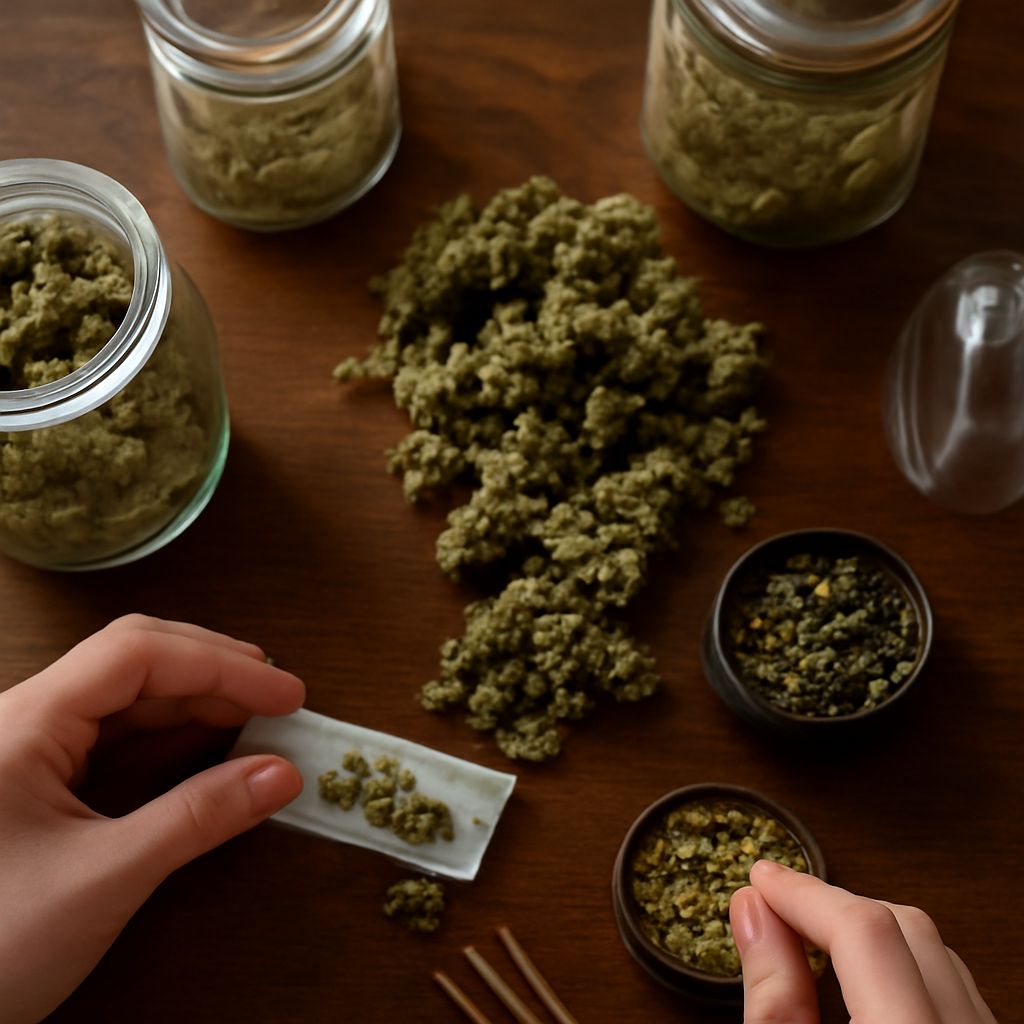
Cannabis photography is an art form that celebrates the intricate beauty of the plant. Whether you’re a seasoned photographer or a beginner, mastering the nuances of weed photography can elevate your portfolio and allow you to showcase cannabis in its truest form. This guide will walk you through essential techniques and tips to capture stunning images of cannabis.
Getting Started with Cannabis Photography
Starting your journey in cannabis photography involves understanding the unique characteristics of the plant. The vibrant colors, intricate textures, and delicate trichomes offer endless opportunities for creativity. Begin by researching the different strains and understanding their visual appeal. This foundational knowledge will guide your creative decisions and help you highlight the plant’s unique features.
Essential Equipment for Weed Photography
Investing in the right equipment is crucial for capturing high-quality cannabis photos. A DSLR or mirrorless camera with a macro lens will allow you to capture fine details, such as the trichomes and pistils. A tripod is essential for maintaining stability, especially when using slow shutter speeds in low light conditions. Additionally, consider using a ring light or LED panel to achieve even lighting and reduce shadows.
Techniques for Capturing Stunning Shots
To create captivating cannabis photography, focus on composition and lighting. Use the rule of thirds to create balanced images and experiment with different angles to find the most flattering perspectives. Natural light can be your best friend, providing soft, even illumination. However, don’t hesitate to use artificial lighting to enhance specific features of the plant.
Macro photography is a popular technique in weed photography, allowing you to capture the plant’s intricate details. Pay attention to your depth of field; a shallow depth will help isolate the subject and create a pleasing bokeh effect in the background. Consider bracketing your shots to ensure perfect exposure, especially under challenging lighting conditions.
Editing Your Cannabis Photos
Post-processing is an essential step in cannabis photography. Use software like Adobe Lightroom or Photoshop to enhance colors, contrast, and sharpness. Pay attention to white balance to ensure the plant’s natural colors are accurately represented. Cropping your images can also help improve composition and focus on the subject, highlighting the plant’s features effectively.
Be mindful of over-editing; the goal is to enhance the natural beauty of the cannabis, not to create an artificial look. Subtle adjustments can often make a significant difference, enhancing the plant’s details and textures.
Legal and Ethical Considerations
When engaging in cannabis photography, be aware of the legal and ethical aspects. Ensure compliance with local laws regarding cannabis cultivation and distribution, as these can vary significantly by region. Obtain necessary permissions if photographing on private property or using plants owned by others.
Respect the cultural significance of cannabis and avoid perpetuating stereotypes or misinformation. Your photography should reflect an understanding and appreciation of the plant’s medicinal, recreational, and historical contexts.