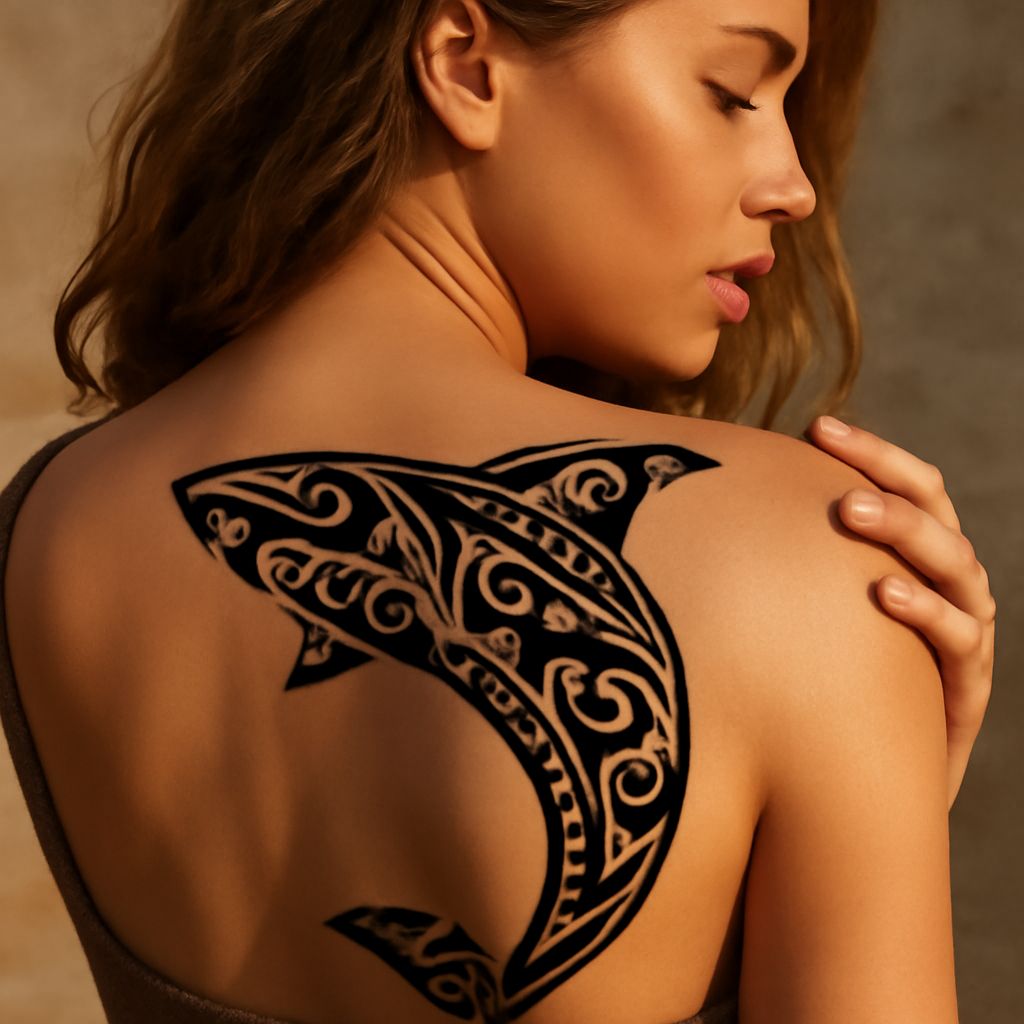
Polynesian symbols are a captivating part of Pacific Island culture, rich with history and meaning. These symbols are more than just artistic expressions; they convey stories, beliefs, and traditions. Among these, Samoan symbols hold a distinct place, reflecting the values and history of the Samoan people.
Introduction to Polynesian Symbols
Polynesian symbols have been used for centuries, serving as a language of their own. These symbols are often found in tattoos, carvings, and textiles, each with its unique meaning. They encompass a wide range of motifs, including animals, natural elements, and abstract shapes. This intricate visual language is a testament to the Polynesian people’s deep connection with their environment and ancestry.
Cultural Significance of Samoan Symbols
Samoan symbols are particularly significant in Polynesian culture. They often represent family, heritage, and social structure. For example, the ‘Pe’a’, a traditional Samoan tattoo for men, symbolizes courage and service to the community. Similarly, the ‘Malu’, the female equivalent, represents protection and fertility. These symbols are an integral part of Samoa’s cultural identity, often passed down through generations.
Common Polynesian Symbols and Their Meanings
- Tiki: Often regarded as the first man, Tiki is a symbol of protection and fertility. It is commonly used to ward off evil spirits.
- Enata: These human-like figures represent people or gods. They are frequently used to depict life experiences and social status.
- Ocean Waves: Representing the sea, waves symbolize change and continuity. They reflect the Polynesians’ deep respect and dependence on the ocean.
- Shark Teeth (Niho Mano): A symbol of strength and adaptability, shark teeth often illustrate protection and guidance.
Visual Representation in Art and Exhibitions
Polynesian symbols are prominently featured in various forms of art, from traditional tattoos to contemporary exhibitions. Museums and galleries around the world display Polynesian art, offering insights into the culture’s rich heritage. Exhibitions often highlight the artistry behind these symbols, showing how they have evolved while maintaining their cultural roots. This blend of tradition and modernity allows for a dynamic representation of Polynesian culture, making it accessible to a global audience.
In conclusion, Polynesian and Samoan symbols are not just artistic motifs but are deeply embedded with cultural significance. Their meanings, history, and visual representations continue to captivate and educate people worldwide, ensuring that the rich heritage of Polynesia is celebrated and preserved.