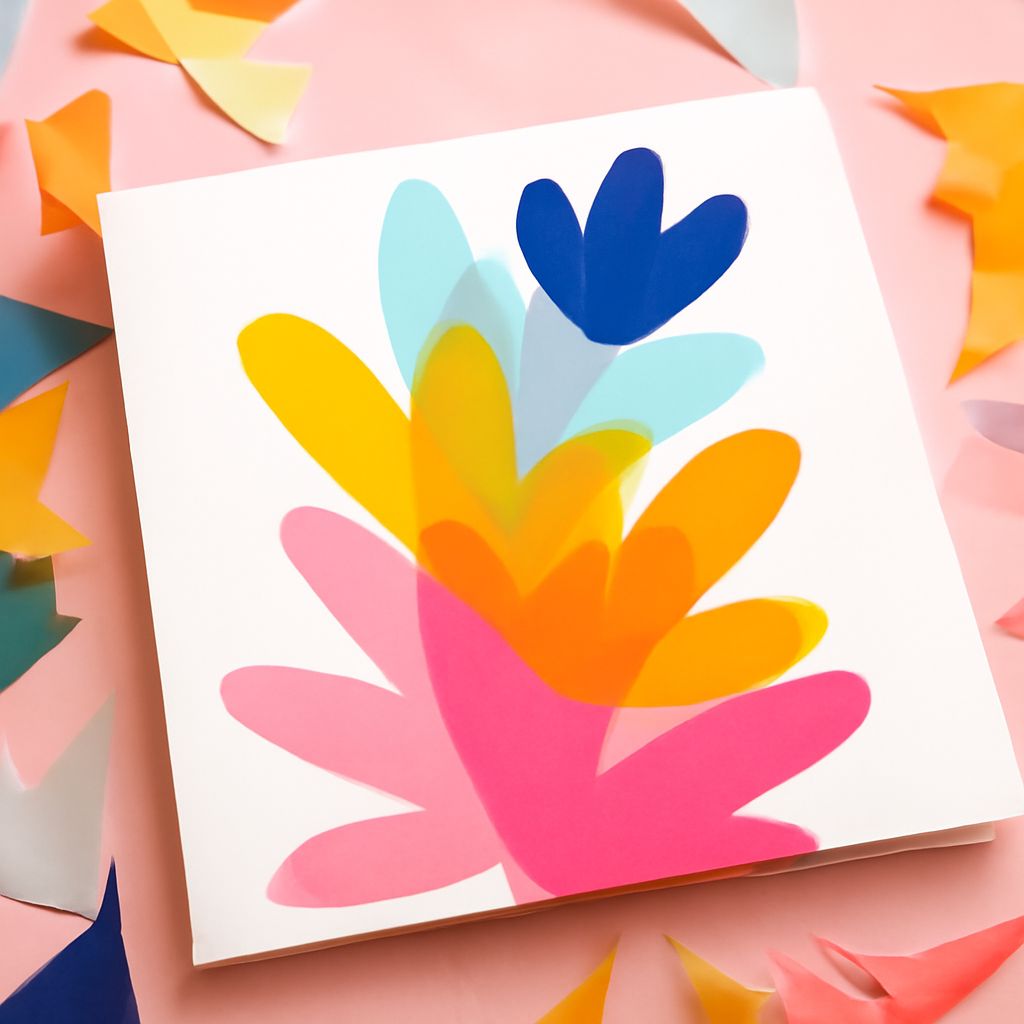
Collage art, a dynamic and versatile medium, has captivated artists and viewers alike for generations. By combining various materials like paper, fabric, and photographs, this art form breaks traditional boundaries, offering endless creative possibilities. Whether you’re a seasoned artist or a curious beginner, exploring collage work can open up a world of innovation and expression.
What is Collage Art?
Collage art involves assembling different materials to create a unified composition. Originating from the French word “coller,” meaning “to glue,” this technique gained prominence in the early 20th century with the advent of modernism. Artists like Pablo Picasso and Georges Braque were pivotal in popularizing collage as a legitimate art form, integrating it into their Cubist practices. Today, collage spans numerous styles and methods, reflecting diverse cultural narratives and personal stories.
Techniques in Collage Work
Collage work offers a myriad of techniques, allowing artists to experiment with texture, color, and form. Some popular methods include:
- Paper Collage: This involves layering various paper types, such as magazines, newspapers, and photographs, to create depth and interest.
- Fabric Collage: By using textiles, artists can add tactile elements and rich textures to their pieces.
- Mixed Media: Combining paint, ink, and other materials with traditional collage elements can produce complex and visually striking works.
- Digital Collage: Utilizing software to blend images and textures digitally, artists can explore modern methods and reach broader audiences.
Famous Collage Artists
Several artists have left an indelible mark on the world of collage art:
- Hannah Höch: A key figure in the Dada movement, Höch’s photomontages challenged societal norms and addressed gender politics.
- Romare Bearden: Known for his vibrant depictions of African American life, Bearden’s work blended abstract style with personal narratives.
- Henri Matisse: Late in his career, Matisse created his renowned “cut-outs,” using colored paper to craft bold and abstract compositions.
Creating Your Own Creative Collage
Embarking on your collage journey requires minimal materials but encourages maximum creativity. Here’s a simple guide to get you started:
- Gather Materials: Collect an assortment of papers, fabrics, scissors, glue, and any other elements you wish to incorporate.
- Plan Your Design: Sketch a rough draft or visualize your composition. Think about the story or theme you want to convey.
- Cut and Arrange: Begin cutting materials into desired shapes and sizes. Arrange them on a base, experimenting with layout and balance.
- Glue and Refine: Once satisfied with the arrangement, start gluing the pieces. Don’t hesitate to make adjustments as needed.
- Finishing Touches: Add paint, ink, or other embellishments to enhance your collage and achieve the desired effect.
Diving into the realm of collage art can be both liberating and rewarding. As you experiment with this medium, you’ll discover unique ways to express your vision and perhaps become part of its evolving narrative.