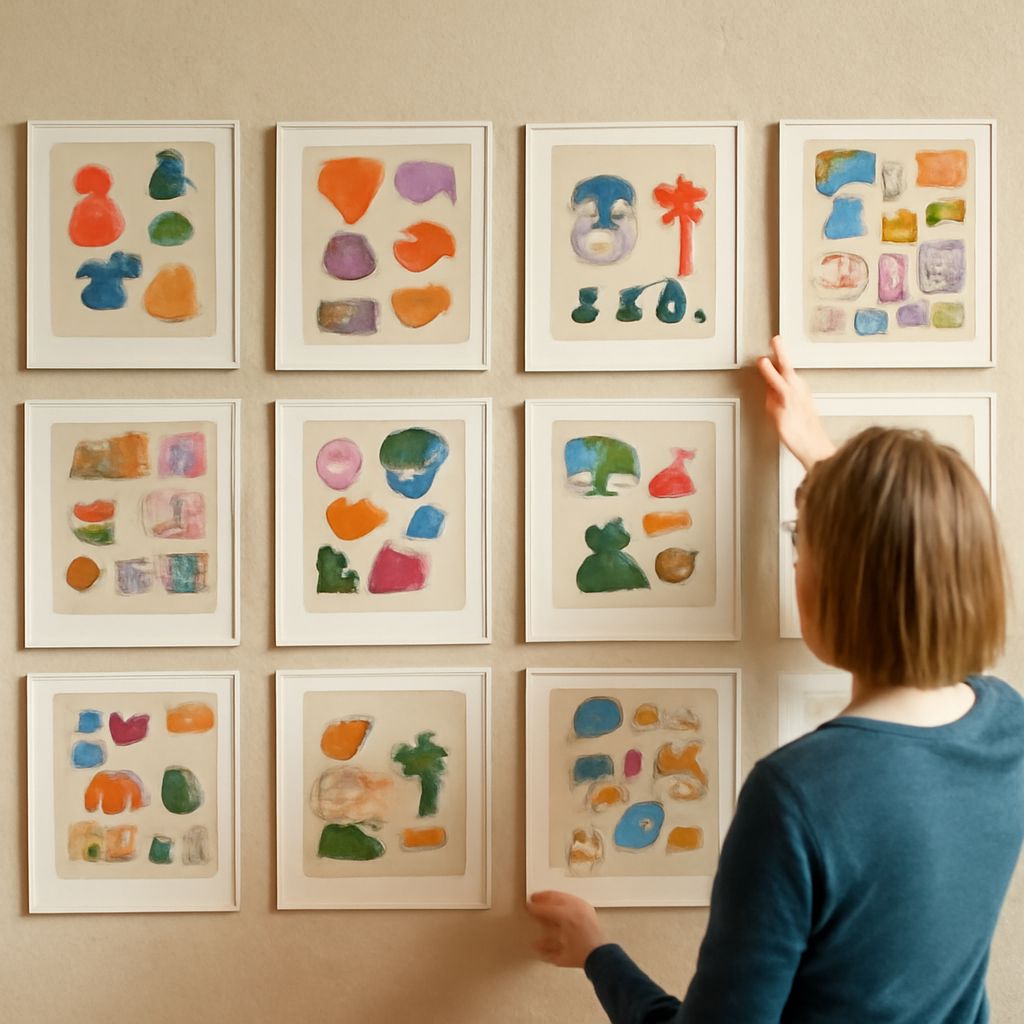
The elements of art and principles of design are foundational concepts that shape the way we perceive and create art. These components not only guide artists in their creative process but also enable viewers to appreciate the depth and complexity of visual culture. Let’s dive into these essentials to understand how they intertwine and impact artistic expression.
What Are the Elements of Art?
The elements of art are the building blocks used to create a work of art. These include line, shape, form, space, color, value, and texture. Each element plays a crucial role in the composition and can be manipulated to evoke different emotions and ideas.
- Line: Lines can be straight, curved, or abstract, guiding the viewer’s eye and defining shapes.
- Shape: Shapes are flat, enclosed areas that can be geometric or organic, creating a sense of space.
- Form: Forms are three-dimensional shapes expressing volume and mass.
- Space: Space refers to the area within, around, or between elements, affecting depth and perspective.
- Color: Color influences mood and draws attention, with hues, saturation, and brightness contributing to its effect.
- Value: Value describes the lightness or darkness of a color, adding depth and contrast.
- Texture: Texture conveys the surface quality, whether real or implied, contributing to the tactile feel of a piece.
Exploring the Principles of Design
The principles of design refer to how the elements are arranged within an artwork. These principles include balance, contrast, emphasis, movement, pattern, rhythm, and unity. They provide a framework for artists to organize their compositions effectively.
- Balance: Balance involves the distribution of visual weight, creating stability in a work.
- Contrast: Contrast highlights differences in elements, adding visual interest and focus.
- Emphasis: Emphasis draws attention to a particular area, often through contrast or placement.
- Movement: Movement guides the viewer’s eye through the artwork, creating a sense of action or flow.
- Pattern: Pattern is the repetition of elements, adding consistency and structure.
- Rhythm: Rhythm creates a visual tempo, often through repetition and variation.
- Unity: Unity gives a sense of harmony, ensuring all components work together as a cohesive whole.
The Interplay Between Elements and Principles
The elements and principles are interdependent, working together to enhance artistic expression. For example, an artist might use bold colors (element) to create contrast (principle), or lines (element) to establish movement (principle). Understanding this interplay allows for more intentional and impactful art-making.
Practical Applications in Art and Design
In practice, these concepts are applied across various mediums and disciplines, from painting and sculpture to graphic design and architecture. For instance, a graphic designer might utilize the principle of balance to arrange text and images harmoniously. Similarly, a painter might explore texture and value to create depth and intrigue.
By mastering the elements of art and principles of design, one can unlock new levels of creativity and innovation. Whether you’re an emerging artist or a seasoned creator, these tools are essential for crafting compelling and meaningful works that resonate with audiences.