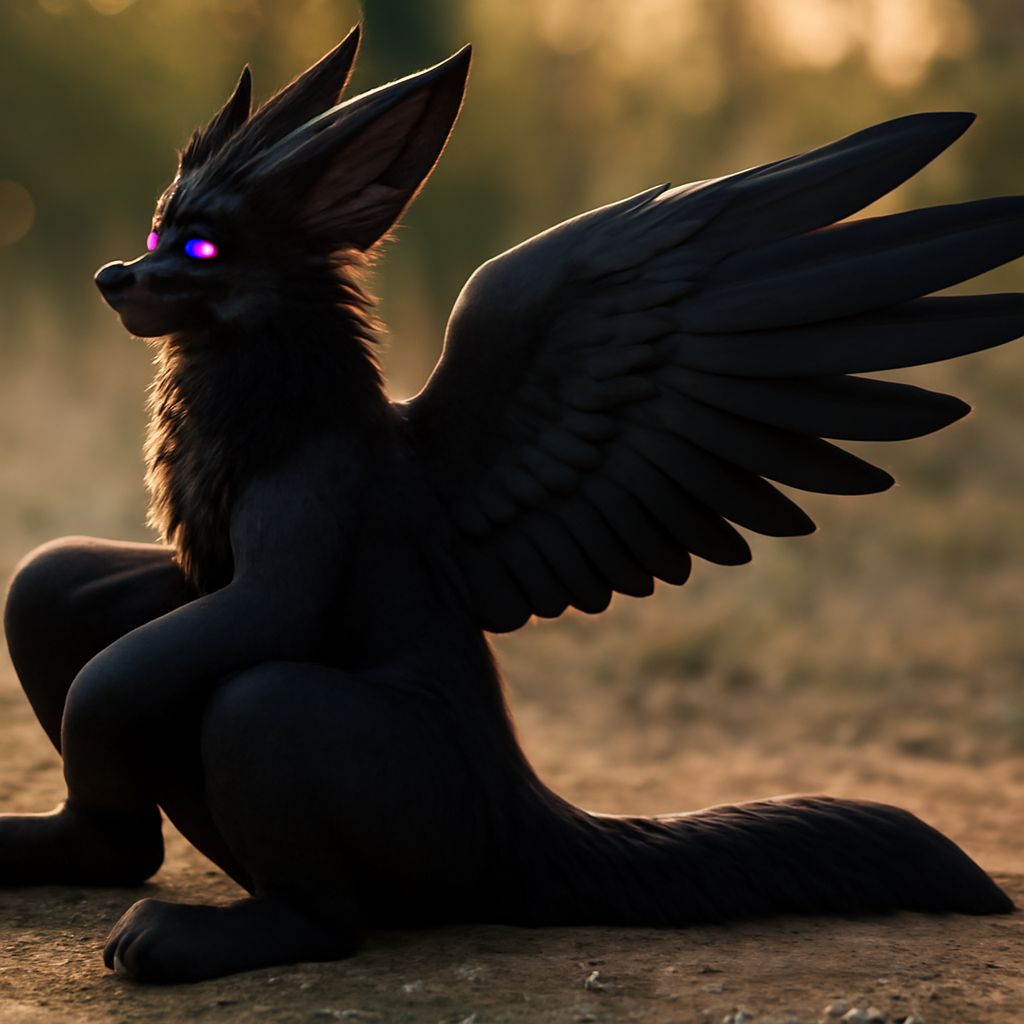
Furry art is a unique and vibrant genre that captures the imagination through its depiction of anthropomorphic characters—animals with human-like traits. This art form is the heart of the furry community, which celebrates creativity and self-expression. With roots that trace back to ancient mythology, furry art today plays a significant role in visual culture, offering both artists and fans a space to explore identity and narrative through a fantastical lens.
What is Furry Art?
Furry art involves the creation of artworks featuring anthropomorphic animals. These creatures often possess human characteristics such as walking upright, speaking, or wearing clothes. The art form spans various mediums, including digital art, illustrations, sculptures, and comics. Furry artists frequently showcase their work at conventions, online platforms, and even art galleries, connecting with an audience that appreciates this unique blend of the real and the imagined.
The Origins and Evolution of Furry Art
The origins of furry art can be traced to ancient times, where mythologies from cultures worldwide depicted gods and creatures with both animal and human features. However, the modern furry art movement began in the late 20th century, influenced by animated films, comic books, and science fiction. As the internet expanded, so did the accessibility and popularity of furry art, allowing a global community of artists and fans to flourish.
Over the years, the style and themes of furry art have evolved, reflecting changes in technology and cultural trends. Today, furry art continues to innovate, integrating 3D modeling, VR experiences, and interactive media to push the boundaries of traditional art forms.
Significance in Visual Culture
Furry art holds a unique place in visual culture, offering a platform for both personal and community expression. For many, it provides an opportunity to explore identity and self through a creative medium. The diverse representations in furry art challenge conventional norms, fostering inclusivity and acceptance.
Moreover, furry art often addresses themes of transformation, adaptability, and the relationship between humans and nature. These themes resonate widely, making furry art a thought-provoking and relevant component of contemporary culture.
Understanding the Furry Community
The furry community is a vibrant, diverse group of individuals brought together by a shared interest in anthropomorphic animals. This community celebrates creativity, with members participating in forums, conventions, and online spaces dedicated to furry art and culture. For many, being part of the furry community means embracing a sense of belonging and acceptance, where personal expression is encouraged and celebrated.
While furry art is a key aspect of the community, the culture also involves role-playing, writing, and crafting personalized “fursonas”—characters that represent the individual’s alter ego or identity. This rich tapestry of activities reflects the community’s emphasis on imagination and individuality.
Exploring Furry Art Exhibitions
Furry art exhibitions are an exciting way for artists to showcase their work and for fans to engage with the art in person. These exhibitions often occur at conventions such as Anthrocon or Midwest FurFest, which attract thousands of attendees each year. Such events provide a unique opportunity for networking, collaboration, and inspiration within the furry art community.
Additionally, many online platforms host virtual galleries and exhibitions, making furry art accessible to a broader audience. These virtual spaces allow artists to reach fans worldwide, further enhancing the global appreciation of this imaginative art form.