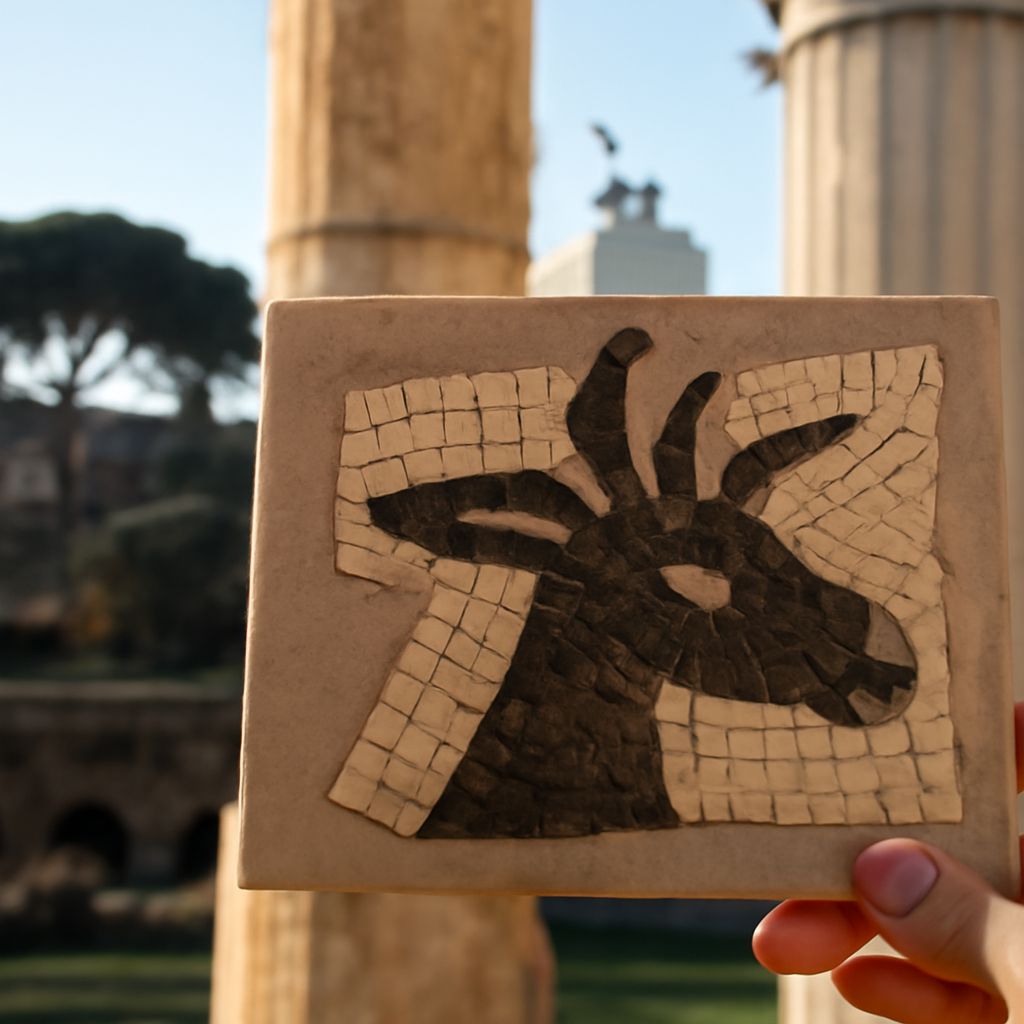
The art of the roman mosaic represents a pinnacle of creative and architectural achievement from ancient times. These vibrant and intricate artworks were not only decorative but also powerful storytelling tools that conveyed social and cultural narratives. By examining their historical significance, techniques, and materials, we can appreciate the artistic prowess of the Roman civilization.
What Are Roman Mosaics?
Roman mosaics are artworks created by assembling small pieces of colored stones, glass, or ceramics, known as tesserae, into intricate patterns or images. These mosaics adorned floors, walls, and ceilings of public buildings and private homes, serving both decorative and functional purposes. The designs ranged from simple geometric patterns to complex scenes depicting mythology, nature, or daily life, showcasing the vast skills and creativity of the artisans involved.
Historical Significance of Ancient Mosaics
The historical significance of ancient mosaics lies in their ability to portray the values, beliefs, and daily activities of Roman society. They were a reflection of wealth and status, as well as a medium for storytelling and preserving cultural heritage. Mosaics often depicted scenes from Roman myths, legends, and religious practices, offering insights into the spiritual and cultural lives of the people. Additionally, they served as historical records, providing clues about the fashion, architecture, and even the flora and fauna of the era.
Techniques and Materials Used in Roman Mosaics
Creating a Roman mosaic was a meticulous process that required a deep understanding of various techniques and materials. Artisans first prepared the surface by laying a bed of plaster or mortar. Tesserae were then carefully placed to form the desired image, with the colors and textures of each piece thoughtfully selected to achieve depth and realism.
The materials used in Roman mosaics varied depending on the region and the intended use of the artwork. Common materials included naturally colored stones like limestone and marble, as well as pieces of glass and ceramics for more vivid colors. The choice of materials not only affected the aesthetic quality of the mosaic but also its durability and resistance to wear.
Famous Roman Mosaics Around the World
Several famous Roman mosaics have been discovered over the years, each offering a unique glimpse into ancient Roman art and culture. One notable example is the “Battle of Issus” mosaic from the House of the Faun in Pompeii, which vividly portrays the historic confrontation between Alexander the Great and Darius III. This masterpiece highlights the dynamism and complexity achievable in mosaic art.
Another renowned example is the “Bikini Girls” mosaic found in the Villa Romana del Casale in Sicily. This mosaic captures a scene of women engaging in athletic activities, reflecting the importance of physical fitness and leisure in Roman society. Its preservation is remarkable, offering a vibrant depiction of ancient fashion and social customs.
The “Alexander Mosaic” from the Naples National Archaeological Museum is yet another illustrious example. This mosaic stands out for its large scale and intricate detail, showcasing the technical prowess of Roman artisans. It serves as a testament to the Romans’ ability to capture motion and emotion in their artwork.
By exploring these famous mosaics, we gain an appreciation for the artistry and cultural richness of the Roman Empire. These timeless creations continue to inspire and inform modern art and design, underscoring the enduring legacy of Roman mosaics.