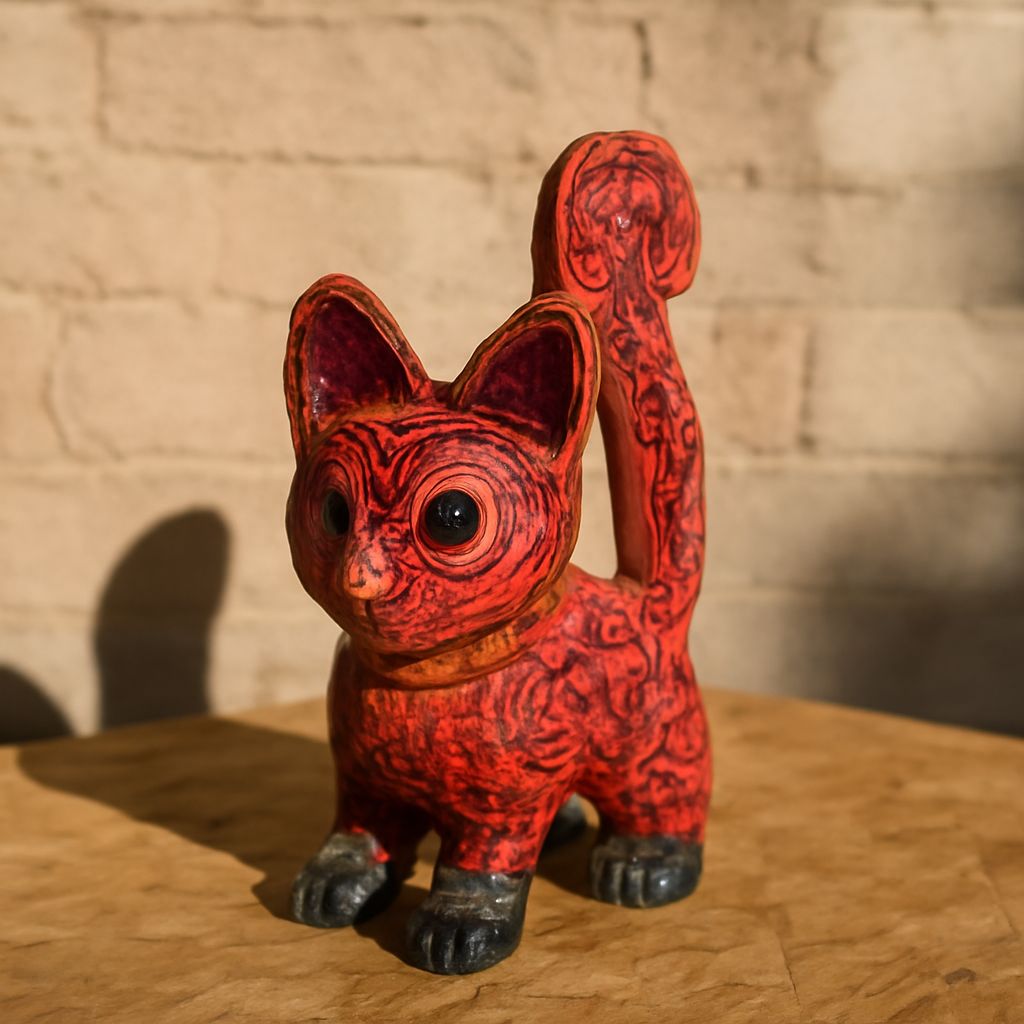
Huichol art is a mesmerizing blend of vibrant colors, intricate patterns, and profound spiritual symbolism. This captivating art form is deeply rooted in the traditions of the Huichol people, indigenous inhabitants of the Sierra Madre Occidental in Mexico. Known for their exquisite beadwork and yarn paintings, the Huichol artisans create works that are not only visually stunning but also rich in cultural and spiritual lore.
The History and Origins of Huichol Art
Huichol art dates back centuries and is intrinsically tied to the cultural practices and religious beliefs of the Huichol people. This art form began as a way to connect with the spiritual world, with each piece serving as a medium to express visions and experiences derived from sacred rituals. Traditionally, these artistic expressions were created as offerings to the gods, particularly in ceremonies involving the peyote cactus, which is considered sacred among the Huichol. The use of bright colors and complex motifs in Huichol art reflects the vivid spiritual experiences that are integral to their religious practices.
Cultural Significance and Symbolism
In Huichol art, every element holds deep symbolic meaning. The patterns and symbols typically represent elements of nature and cosmology, such as the sun, deer, corn, and peyote, all of which are central to Huichol mythology. For example, the deer is often depicted in Huichol art as a messenger between the earthly and spiritual realms. These symbols are not merely decorative; they are imbued with spiritual significance, serving as conduits for communication with deities and ancestors. For the Huichol people, creating art is a sacred process that maintains the balance of the universe and preserves their cultural identity.
Understanding Huichol Bead Art Techniques
Huichol bead art is a distinctive aspect of this artistic tradition, characterized by meticulous craftsmanship and vibrant, detailed designs. Artisans use tiny beads to create intricate patterns on wooden objects, like masks, animal figures, and bowls. The process begins with coating the surface of the object in a layer of beeswax. Then, using needles or small wooden sticks, artisans painstakingly place each bead onto the wax, forming complex patterns and images. The precision and patience required for this technique are remarkable, and the resulting artworks are stunning examples of the artisans’ skill and dedication.
Contemporary Huichol Art and Exhibitions
Today, Huichol art has gained international recognition, with exhibitions held in galleries and museums around the world. Modern Huichol artists continue to honor their heritage while also experimenting with new materials and techniques. Contemporary pieces often incorporate modern themes or are created on non-traditional mediums, yet they retain the spiritual motifs and vibrant aesthetics that define Huichol art. Through their work, these artists ensure that Huichol traditions remain alive and relevant, inviting new audiences to appreciate and understand the profound depth of this cultural heritage.
By exploring Huichol art, one gains insight into a rich cultural tradition that transcends mere aesthetics. It offers a window into the spiritual worldview of the Huichol people, revealing the deep connection between art, culture, and spirituality.