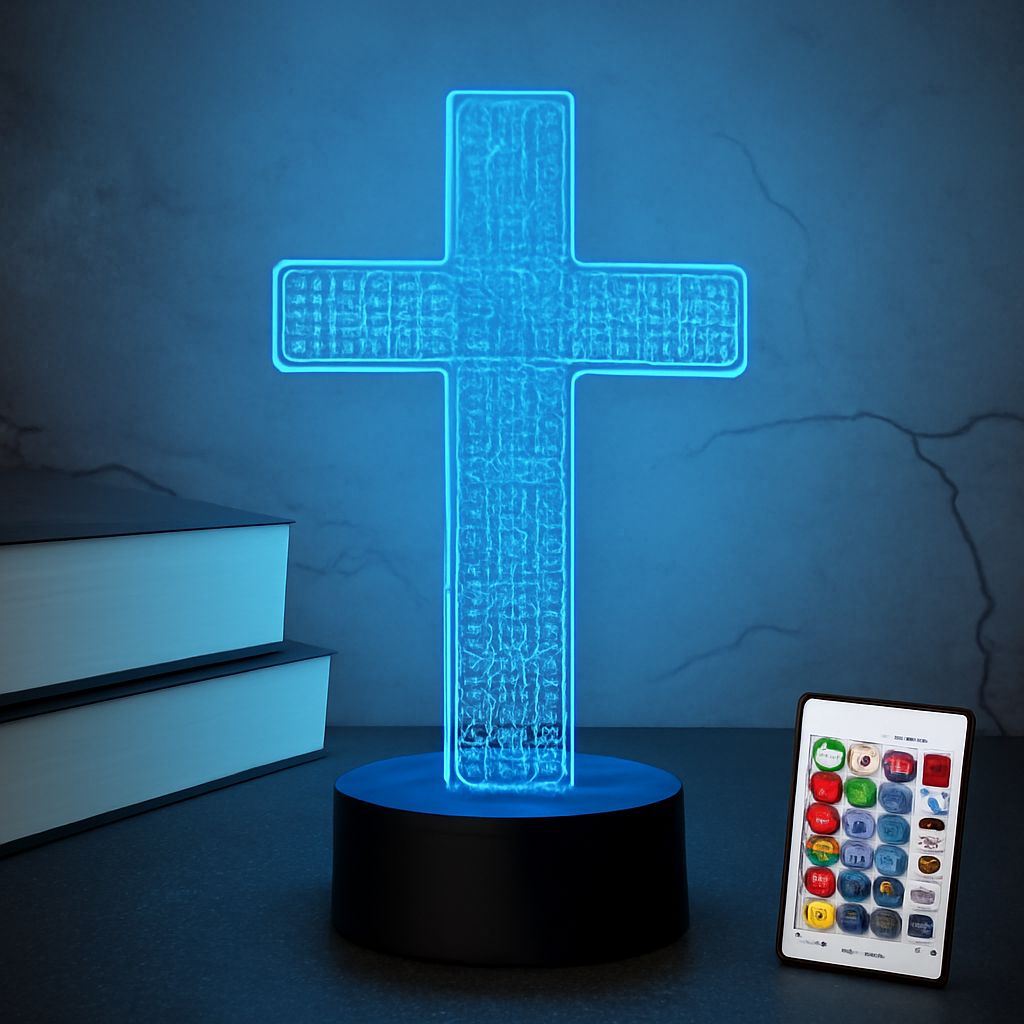
The Jesus optical illusion is a captivating phenomenon that blends art and perception, engaging viewers with its mysterious appearance. This optical illusion, often found in various artistic forms, invites people to see an image of Jesus Christ in unexpected ways. By exploring its background, artistic significance, and how it is experienced in exhibitions, we uncover how this illusion continues to fascinate and inspire.
What Is the Jesus Optical Illusion?
The Jesus optical illusion is a visual trick that leads viewers to perceive an image of Jesus Christ, even when it’s not immediately visible. This illusion occurs when an artwork utilizes clever techniques such as contrasting colors, negative space, or strategic patterns that reveal the image of Jesus upon closer inspection. It challenges the viewer’s perception, asking them to look beyond the obvious and explore deeper layers of meaning.
The History and Significance in Art
The history of the Jesus illusion in art dates back to periods when religious imagery was central to artistic expression. Throughout history, artists have employed various methods to embed spiritual and religious elements into their work subtly. The significance of these illusions lies in their ability to convey religious messages while engaging viewers in a personal and contemplative experience. This artistic approach often serves as a testament to faith and a tool for reflection, inviting viewers to explore their spirituality.
How Artists Create the Illusion
Artists create the Jesus illusion using different techniques that manipulate perception. One common method involves using high contrast between light and dark areas to form an image that emerges only when viewed from a certain distance or angle. Another technique is the use of pareidolia, where the mind responds to vague and random stimuli by perceiving familiar patterns, such as a face. These artistic strategies are not only technical marvels but also serve as a testament to the creativity and skill of the artists.
Experiencing the Illusion in Exhibitions
Experiencing the Jesus optical illusion in exhibitions adds another layer of intrigue and interaction for art enthusiasts. Many galleries and museums around the world feature these illusions, allowing visitors to engage with the art on a personal level. As viewers walk through an exhibit, they often experience moments of surprise and revelation when the hidden image suddenly comes into focus. This dynamic interaction makes the art more memorable, offering a unique journey through perception and belief.