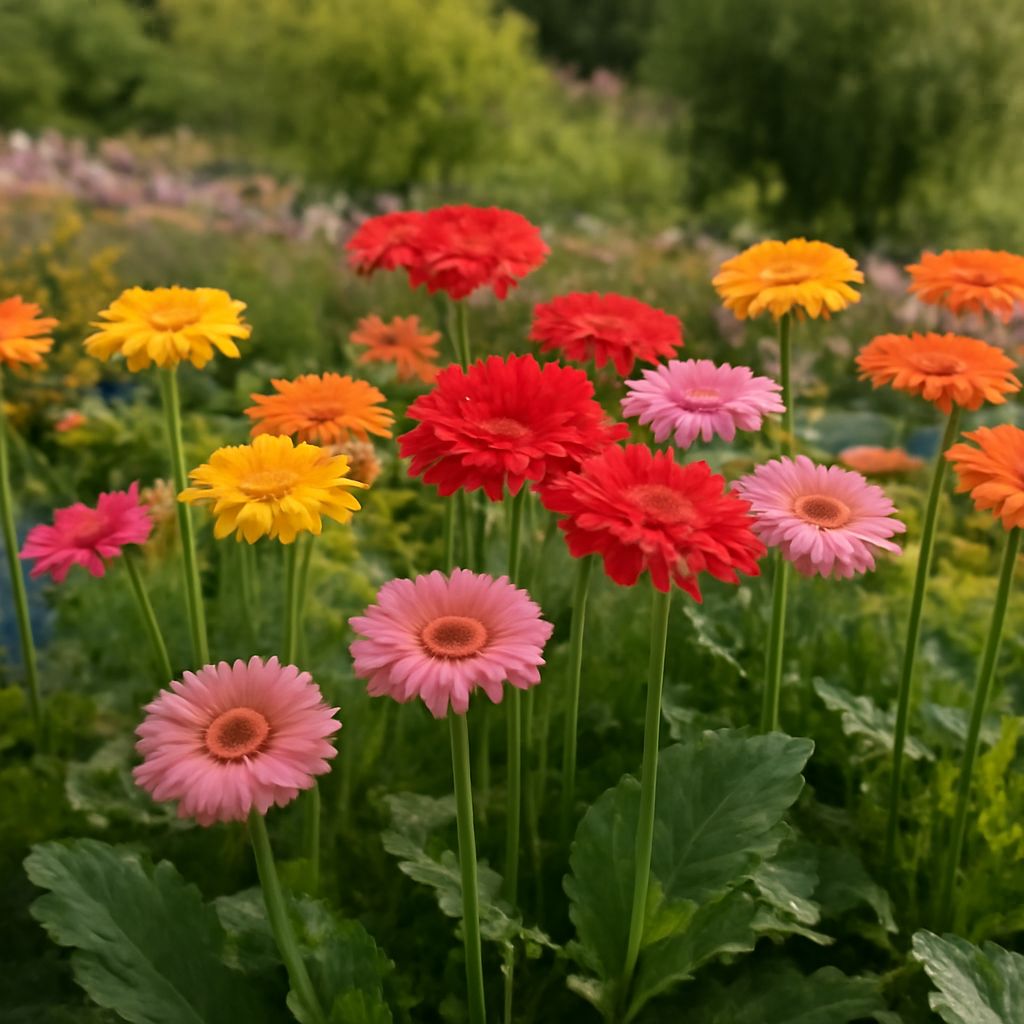
Gerbera daisies are among the most beloved flowers in the world of horticulture and design, known for their oversized blooms and striking palette. Beyond their visual appeal, gerbera daisies carry rich meanings and symbolism that echo throughout art, gifting traditions, and contemporary exhibitions. Whether you’re drawn to their joyful hues or intrigued by their deeper significance, understanding the gerbera daisy meaning can add layers of appreciation when you encounter these radiant flowers.
What Is the Meaning of Gerbera Daisy?
The dominant meaning of the gerbera daisy is cheerfulness and innocence. With its large, open-faced blooms and vibrant colors, the gerbera daisy has become a universal symbol of happiness, purity, and positive energy. This association is rooted in the flower’s sun-like appearance, which evokes optimism and simple pleasures.
The gerbera meaning extends beyond mere appearance. It is often used to convey admiration and appreciation in floral arrangements—especially when you wish to send a message of encouragement or congratulations. In the language of flowers, or floriography, gerbera daisies are chosen to brighten someone’s day and are appropriate for celebrations ranging from birthdays to get-well wishes.
Historically, the gerbera daisy’s symbolism draws from its place in both ancient and modern plant lore. Though not as heavily featured in mythology as the rose or lily, the gerbera’s bold shape and color have long been associated with the sun, making it a flower that radiates warmth and positivity wherever it appears.
The gerbera daisy meaning is also remarkably adaptable. Unlike flowers with more romantic or solemn connotations, the gerbera’s core symbolism is suitable for a broad range of occasions and recipients. Its versatility makes it an enduring favorite for expressing joy, admiration, and gratitude, whether in personal bouquets or larger social gatherings.
Symbolism of Gerbera Daisies in Art and Visual Culture
Gerbera daisies have been embraced by artists and designers for their structural simplicity, boldness, and emotional resonance. In visual culture, these flowers are often depicted as emblems of beauty in the everyday and the transformative power of color.
Throughout modern art, the gerbera daisy has been used to symbolize a sense of openness and accessibility. Its recognizable form—clean, geometric petals radiating from a central disk—makes it a favorite subject in pop art, botanical illustration, and even digital graphic design. Artists drawn to themes of positivity and renewal frequently incorporate gerbera daisies into compositions to evoke an immediate sense of energy and hope.
In photography and installation art, gerbera daisies are utilized as striking focal points due to their ability to command attention without overshadowing the rest of a composition. Their varied color range allows for dynamic contrasts and symbolic play, reinforcing their role as visual metaphors for joy, vitality, and optimism.
Gerbera daisies also serve as symbols in cultural events and public art. For example, they might be used as motifs in murals celebrating community renewal or featured in seasonal displays that highlight themes of growth and resurgence. Their positive symbolism makes them invaluable to artists seeking universal visual language that resonates across different audiences.
Color Significance: What Each Gerbera Daisy Color Represents
While the overall gerbera meaning centers around happiness and innocence, each color variation carries its own nuanced significance. Selecting a specific colored gerbera can subtly alter the emotional message conveyed, whether in art, gifting, or design.
- Red Gerbera Daisy: Red symbolizes deep love, passion, and desire. Red gerberas are commonly used to express romantic feelings, similar to roses, but with a lighter, more cheerful touch.
- Pink Gerbera Daisy: Pink stands for admiration, grace, and high regard. Pink gerbera daisies are frequently chosen to celebrate friendship and to show respect or appreciation for someone’s kindness.
- Yellow Gerbera Daisy: The bright yellow petals represent joy, new beginnings, and general happiness. Yellow gerberas are popular in arrangements meant to cheer up, encourage, or celebrate life’s milestones such as graduations and promotions.
- Orange Gerbera Daisy: Orange conveys enthusiasm, warmth, and energy. Orange gerbera daisies are ideal for congratulating someone or celebrating collaboration and creativity.
- White Gerbera Daisy: White gerberas signify innocence, purity, and truth. They are often included in arrangements meant for new babies, weddings, or to express sincere sympathy and support.
- Purple and Lavender Gerbera Daisy: These hues are less common but symbolize mystery, elegance, and creativity. Purple gerberas can be a striking choice for artistic or unconventional displays.
The range and intensity of each color can further personalize the intended message, making gerbera daisies a flexible component in both traditional floral symbolism and modern artistic expression.
Gerbera Daisies in Contemporary Art and Exhibitions
Contemporary artists frequently choose gerbera daisies to anchor works that explore joy, resilience, and the beauty of everyday life. Their presence in installation art and gallery exhibitions often signals a return to optimism and a celebration of color amid minimalist or conceptual trends.
Exhibitions focusing on botanical themes or sustainability may feature gerbera daisies for their wide appeal and dramatic visual impact. For instance, large-scale installations using hundreds of gerbera blooms can evoke collective hope or communal renewal, engaging viewers with both scale and color.
Beyond traditional media, gerbera daisies appear in digital art, fashion design, and even performance pieces. Their instantly recognizable form and color versatility make them a recurring motif where artists wish to communicate vibrancy and connection.
The adaptability of gerbera daisies ensures their continued relevance in visual storytelling. Whether as singular statements or components in larger works, their meaning amplifies the emotional impact of contemporary art and encourages viewers to find joy in unexpected places.