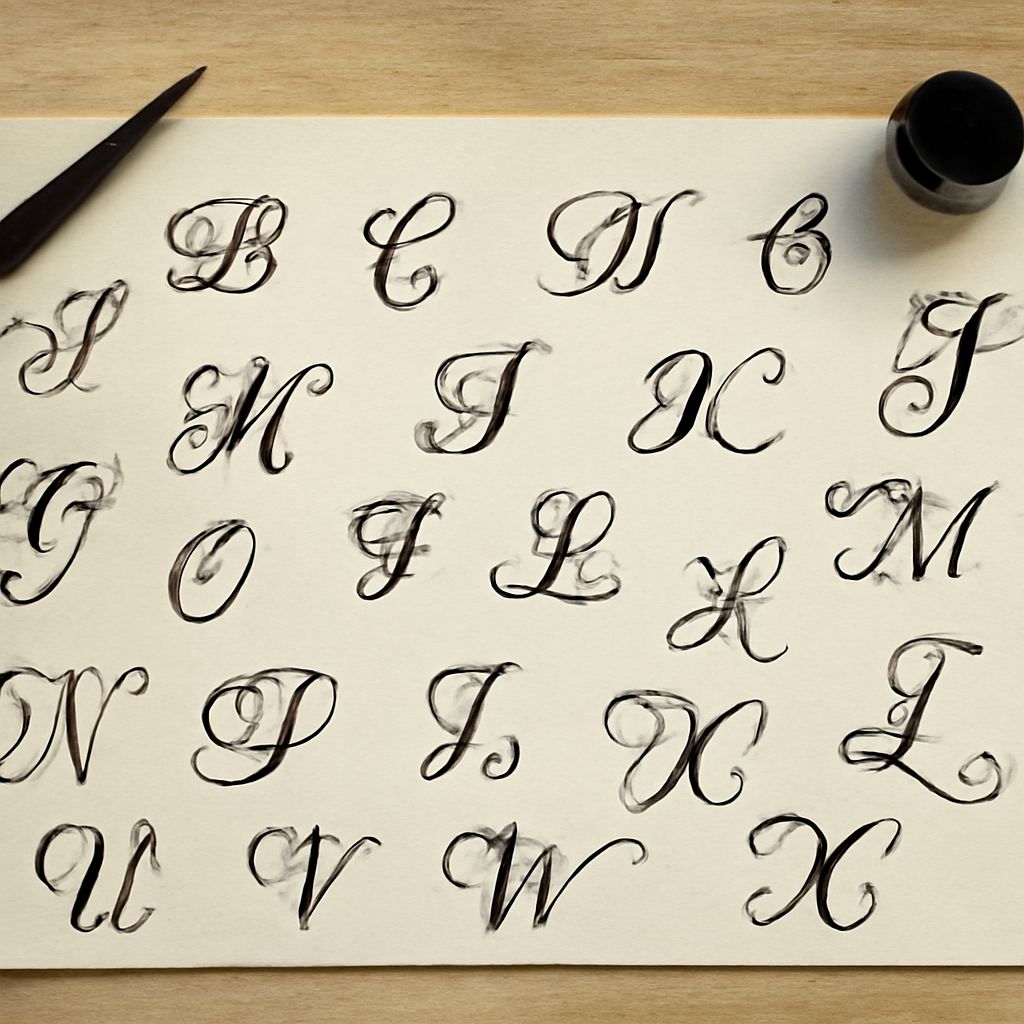
Fancy lettering is more than just stylish handwriting—it’s a form of visual art that can transform any message into something memorable. Whether you want to embellish invitations, create custom signs, or simply add flair to your notes, learning how to write fancy opens new creative doors. This guide will show you how to write fancy letters step by step, covering foundational concepts, essential materials, hands-on techniques, and real-world inspiration to bring your decorative writing to life.
Understanding the Art of Fancy Lettering
Fancy lettering refers to stylized forms of writing that emphasize artistic detail, visual rhythm, and personal flair. The most popular styles include calligraphy, hand lettering, and decorative script. While calligraphy is rooted in centuries-old traditions with structured strokes and formal rules, modern hand lettering offers more flexibility and freedom to blend styles and invent new forms.
Learning how to write fancy letters begins by understanding the elements that set decorative writing apart from everyday penmanship. It’s not only about writing legibly but also about transforming each letter into a mini work of art. This involves playing with line thickness, adding flourishes, and exploring creative variations on classic letter shapes. The rhythm and flow of your strokes, the contrast between bold and delicate lines, and the balance within each character all contribute to the overall effect.
Unlike typing on a screen, fancy lettering is an inherently analog process—your unique touch and personality shine through every curve and line. Whether you prefer the historical elegance of copperplate script or the playfulness of modern brush lettering, the world of decorative letters is wide open for experimentation.
Practicing fancy lettering also improves your overall handwriting, sharpens your attention to detail, and enhances your visual awareness. By observing the subtleties in letter forms, you’ll develop a stronger sense of proportion, spacing, and style that carries over into all your creative projects.
Essential Tools and Materials for Fancy Writing
The right tools make a significant difference when learning how to write fancy letters. Start with the basics, then expand your collection as you explore different techniques:
- Pens and Markers: For beginners, dual-tip brush pens are versatile and forgiving, offering both thick and thin strokes with a change in pressure. Calligraphy nibs and dip pens create dramatic contrasts and are ideal for traditional scripts. Fineliners, felt-tip markers, and gel pens also work well for detailed embellishments.
- Pencils: Always sketch your layouts lightly in pencil first. Mechanical pencils or standard HB pencils provide control for initial drafts without smudging easily.
- Paper: Smooth, heavyweight paper prevents bleeding and feathering of ink. For practice, use grid or dotted paper to help with spacing and alignment. For final projects, choose high-quality cardstock, watercolor paper, or specialty calligraphy pads.
- Rulers and Stencils: A clear ruler helps establish guidelines for baseline, x-height, and slant. Lettering stencils can speed up certain decorative effects but aren’t a substitute for developing your own style.
- Erasers: Soft erasers remove pencil marks without damaging the paper, keeping your finished work clean.
As you progress, specialty materials like metallic inks, watercolor palettes, blending tools, and embossing powders can add extra dimension and shine to your fancy writing. But remember, skill always comes before supplies—the best results come from practice and technique, not just professional-grade tools.
Keep your workspace well-lit and organized. Having all your materials within reach lets you focus on the creative process instead of searching for a missing pen or sheet of paper.
Many artists also use digital tablets and styluses for practicing decorative writing. While traditional methods offer tactile satisfaction, digital lettering can speed up revisions and experimentation. Try both to see which suits your workflow best.
Step-by-Step Techniques for How to Write Fancy Letters
Mastering how to write fancy letters involves building skills step by step. Here’s a practical approach for beginners and intermediates alike:
- Choose Your Style: Decide if you want to mimic a classic style (like copperplate, blackletter, or Roman capitals) or develop a more contemporary, playful look. Study letterforms in books, online inspiration boards, or signage around you.
- Establish Guidelines: Lightly mark horizontal lines to define your baseline, x-height (the height of lowercase letters), and ascender/descender limits. A consistent slant can help unify your lettering, so consider adding angled guidelines for scripts or italics.
- Sketch Basic Letter Shapes: Use a pencil to outline each letter, focusing on smooth, confident curves and balanced proportions. Start with uppercase and lowercase alphabets before attempting words or phrases.
- Add Artistic Details: Once the skeleton is in place, enhance each letter with decorative elements. Common techniques include:
- Varying line width by pressing harder or softer (especially with brush pens or flexible nibs)
- Adding loops, curls, and swashes to entry and exit strokes
- Filling in letterforms with patterns, dots, or shading
- Embellishing with flourishes that extend beyond the letter’s main body
- Inking and Refining: Trace your pencil sketch with your chosen pen, maintaining steady pressure and smooth movement. Erase the underlying pencil once the ink is dry, then adjust any areas that need additional detail or contrast.
- Practice Common Words and Phrases: Stringing letters together introduces new challenges in spacing, alignment, and flow. Practice writing your name, favorite quotes, or common greetings to build muscle memory and confidence.
- Experiment and Iterate: Each attempt is a chance to refine your style. Try altering proportions, adding new flourishes, or mixing styles. Over time, you’ll develop a signature look unique to your hand.
If you’re stuck for ideas, analyze professional invitations, restaurant menus, or vintage signage for inspiration. With consistent practice, your ability to write fancy letters will grow noticeably in just a few weeks.
Inspiration and Practical Uses for Decorative Lettering
Decorative lettering is not just about artistry—it’s a practical skill for countless creative projects. Personalized greeting cards, wedding invitations, and event signage are classic uses for fancy writing. Bullet journals, planners, and scrapbooks come alive with hand-lettered headings and quotes, making organization more enjoyable and visually appealing.
In the world of DIY gifts, custom lettered art prints or framed quotes are always cherished. Artists and small business owners use fancy lettering to craft unique branding, social media graphics, and promotional materials that stand out in a crowded market. When was the last time a handwritten note made your day? Decorative writing adds a personal touch no font can duplicate.
For those seeking inspiration, explore online communities and portfolios dedicated to hand lettering and calligraphy. Participate in daily or weekly prompts to challenge your creativity and expand your range of styles. You’ll discover new techniques, color palettes, and design trends that can take your fancy letters to the next level.
Whether you’re creating a gift, enhancing your bullet journal, or simply enjoying the process of artistic writing, practicing how to write fancy letters offers endless avenues for expression. Dive in, experiment boldly, and let your imagination shape every word.