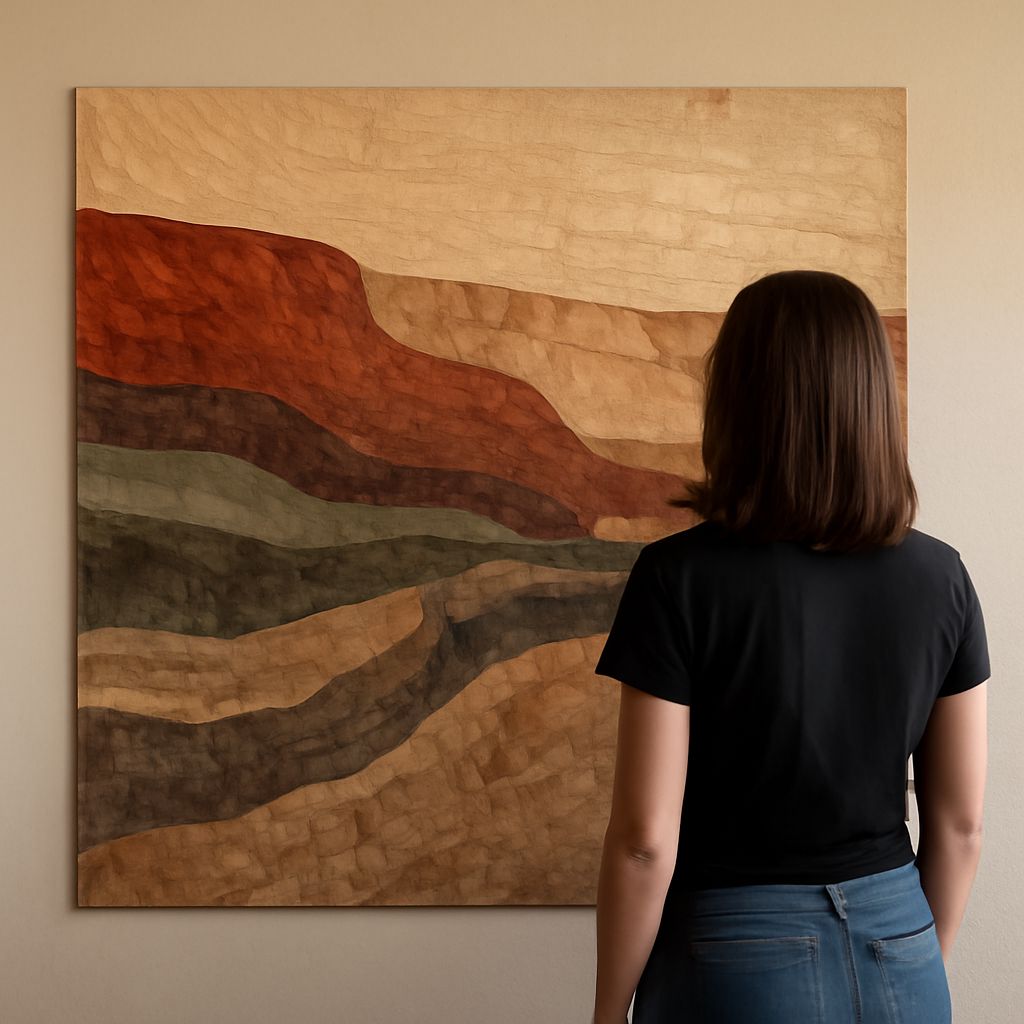
Photo analysis becomes useful when it moves beyond naming what appears in the frame. Read the photograph as a set of decisions: what is included, where it sits, how it is lit, and when the shutter was released.
If you are learning how to write an artist statement, use those decisions as evidence. Select the observations that reveal your intention and shape the viewer’s experience; leave out equipment lists, biography, and plot summary.
How to Analyze a Photograph: Six Prompts in Order—Subject, Composition, Light, Color, Timing, Viewpoint
Work through these prompts in order. Write a few concrete observations for each before interpreting what the photograph means.
- Subject: What is pictured, and what first attracts attention? Identify the person, object, place, gesture, or absence that carries the image. Avoid explaining a story that the frame does not show.
- Composition: How are the elements arranged? Note framing, crop, scale, negative space, lines, symmetry, repetition, and focus. Ask what the photograph emphasizes or deliberately withholds.
- Light: Where does light come from, and what does it reveal or conceal? Describe its direction, hardness, brightness, and shadows. A narrow beam may isolate a subject, while diffuse light can flatten distinctions.
- Color: Which colors dominate, contrast, or disappear? Consider saturation and temperature as well as individual hues. A limited gray-blue palette may create restraint; one bright red detail may direct the eye.
- Timing: What moment has been selected? Look for a gesture, expression, movement, pause, weather condition, or changing light that would differ a second earlier or later.
- Viewpoint: From where does the viewer see the scene? Consider height, distance, angle, and whether the viewpoint feels intimate, detached, concealed, or observed. Perspective can change the subject’s apparent power.
From Visual Evidence to Artistic Intention: Choice, Effect, and Viewer Experience
Turn description into analysis with a simple chain: visible choice → immediate effect → intended experience. For example, “The figure is placed at the far edge of a wide frame” is evidence. “The empty space makes the figure appear exposed” describes the effect. “I use distance to make viewers consider isolation” connects that effect to intention.
Test each interpretation against more than one detail. If you claim a photograph feels tense, point to the clipped framing, hard side light, or suspended gesture that creates that tension. If the evidence does not support the claim, revise it. Strong statements do not explain every possible meaning; they identify the choices you made and the response you want to invite.
Prioritize observations that distinguish this photograph or series from a generic description. “I photograph urban life” is broad. “I crop commuters at the shoulders and preserve the reflections that interrupt their faces” gives the reader something visible to understand.
How to Write an Artist Statement in Three Sentences: What, How, and Why
A short artist statement can work in three sentences. Draft it from your notes, then remove anything that does not clarify the work.
- What: Name the subject, project, or visual concern. Be specific about what the photographs examine rather than making a broad claim about art or life.
- How: Describe two or three formal choices—such as framing, light, color, timing, or viewpoint—and connect them to their visible effect.
- Why: State the question, tension, or viewer experience those choices support. Use direct language instead of claiming that the work will make everyone feel the same thing.
A useful template is: “I photograph [specific subject] to examine [concern]. I use [formal choices] to create [effect]. These images invite viewers to [experience or consider something].” Replace the brackets with evidence from the photographs. Avoid phrases such as “I have always been passionate about” unless they add necessary meaning, and do not turn the statement into a résumé.
Short Artist Statement Examples for Photography: Subject, Light, and Viewpoint
These short artist statement examples emphasize different kinds of photographic evidence.
- Subject: “I photograph vacant storefronts after closing to examine how signs of commerce remain when people have gone. By centering faded displays and leaving the interiors dark, I make ordinary spaces feel provisional and invite viewers to notice absence.”
- Light: “This series follows plants growing beside apartment windows. I use sharp morning light and deep shadows to separate each leaf from its surroundings, turning small acts of growth into studies of persistence and constraint.”
- Viewpoint: “I photograph public benches from ground level, placing their surfaces above the horizon line. This low viewpoint makes the benches appear monumental while keeping the people who use them partial and anonymous, balancing familiarity with distance.”