Visual Culture
-
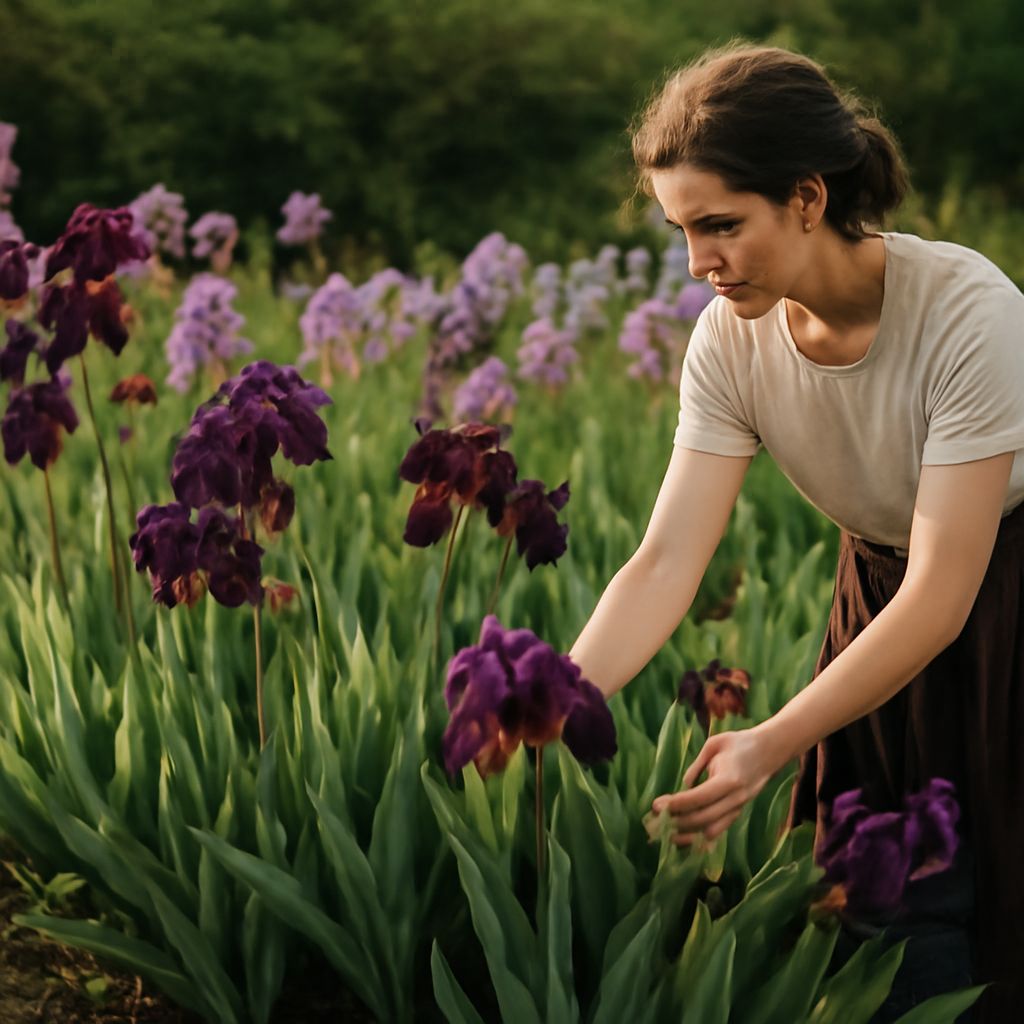
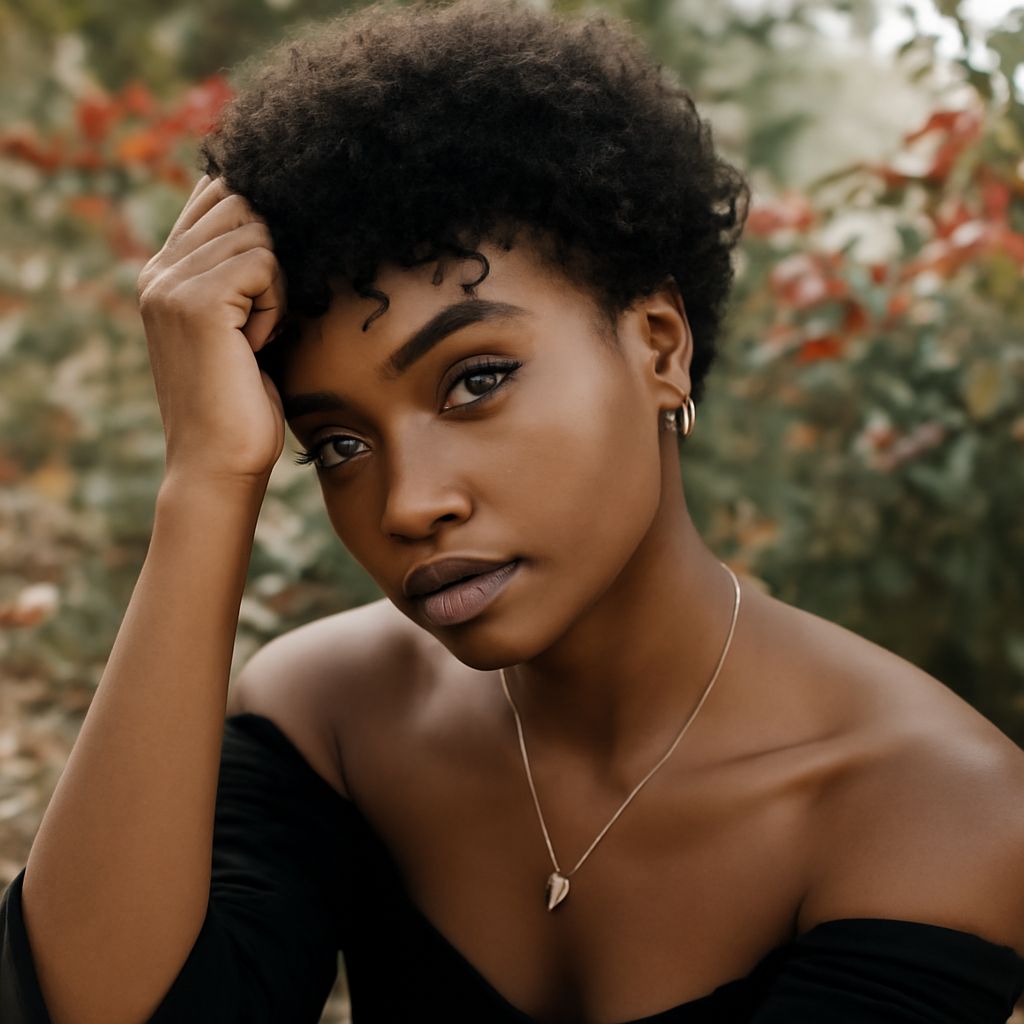
Watercolor Portrait Composition: Figure-Ground and Formal Qualities
Learn how to plan and paint a watercolor portrait using value groups, shape, color, edge… Read More
-
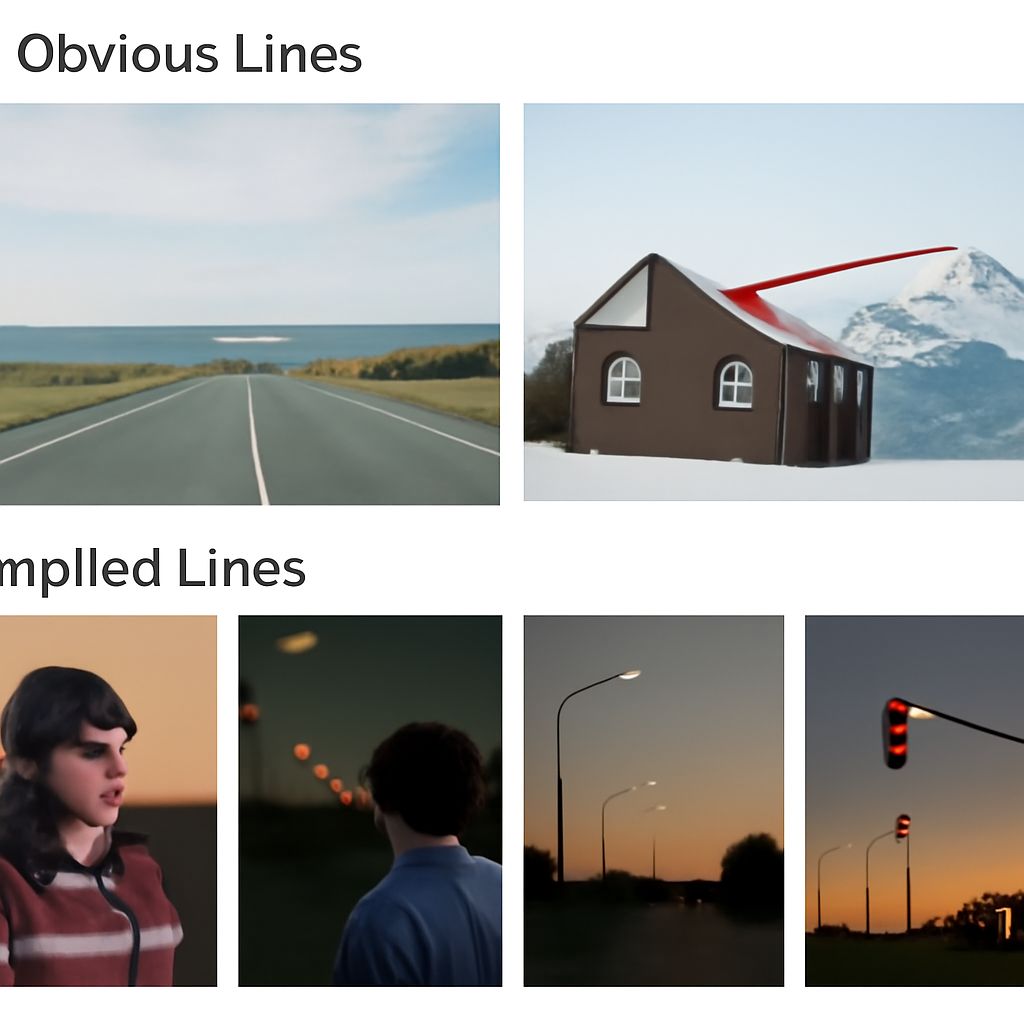
Composition in Painting Through Line and Form
Learn how composition in painting uses contour, gesture, and cross-contour lines to suggest volume, organize… Read More
-
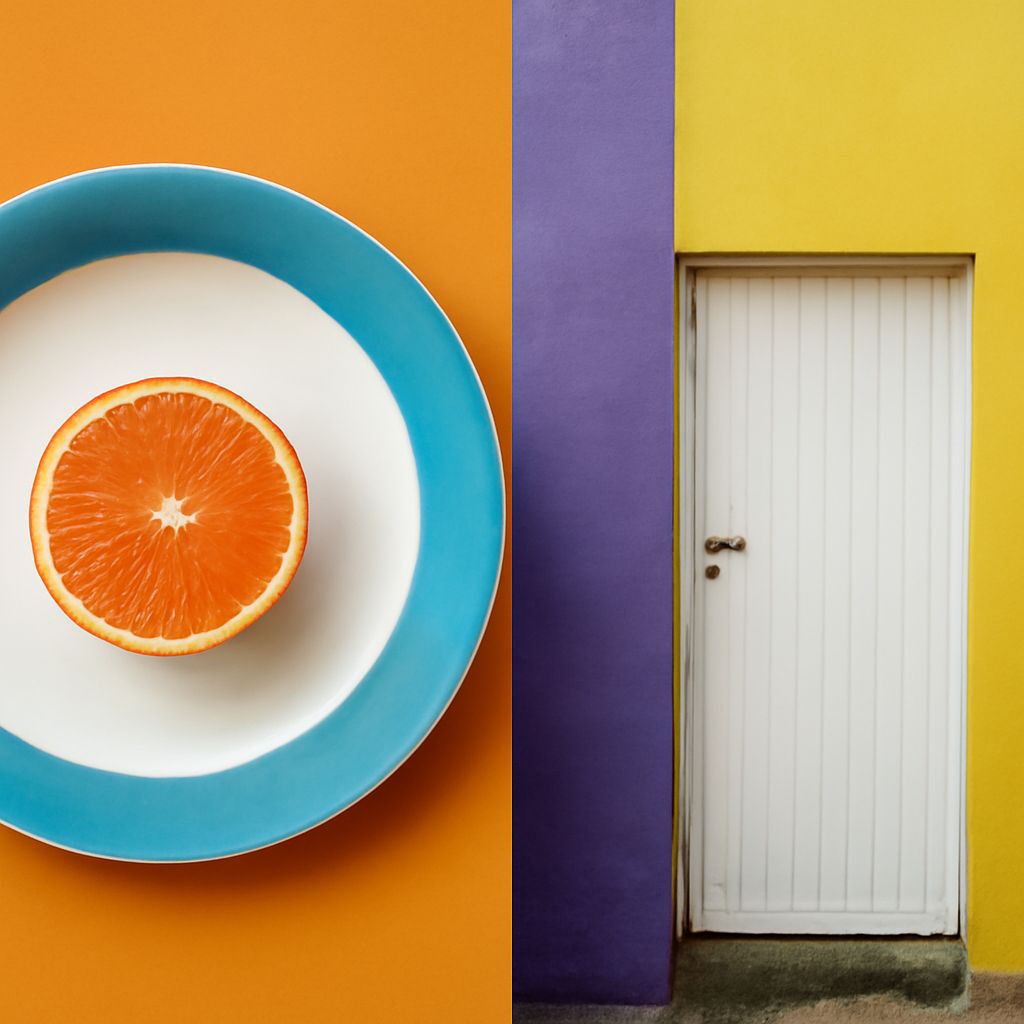
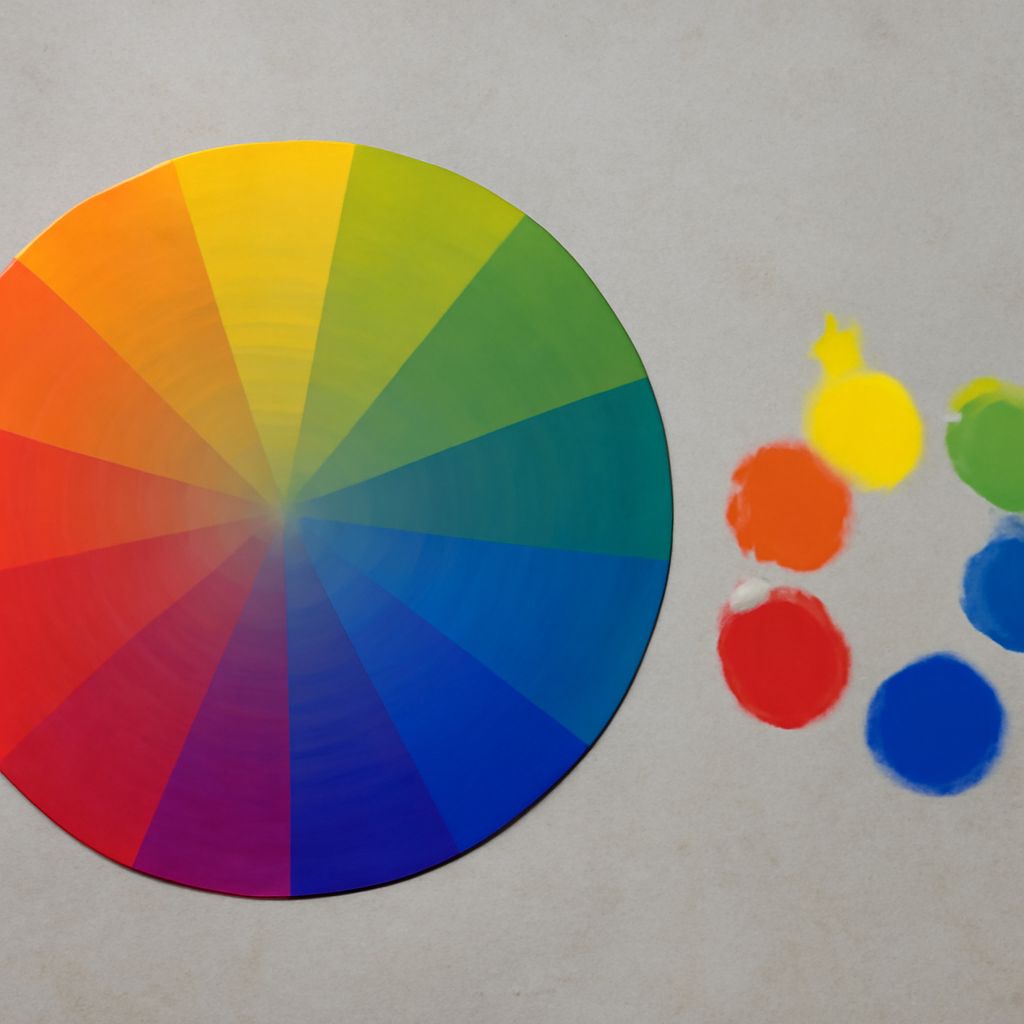
Balance in Art: Using Blue and Yellow Complementary Colors
Learn how balance in art works with blue-orange and yellow-violet palettes. Use value, saturation, area,… Read More
-
Difference Between Shape and Form in Painting
Learn the difference between shape and form, define line as an element of art, and… Read More
-
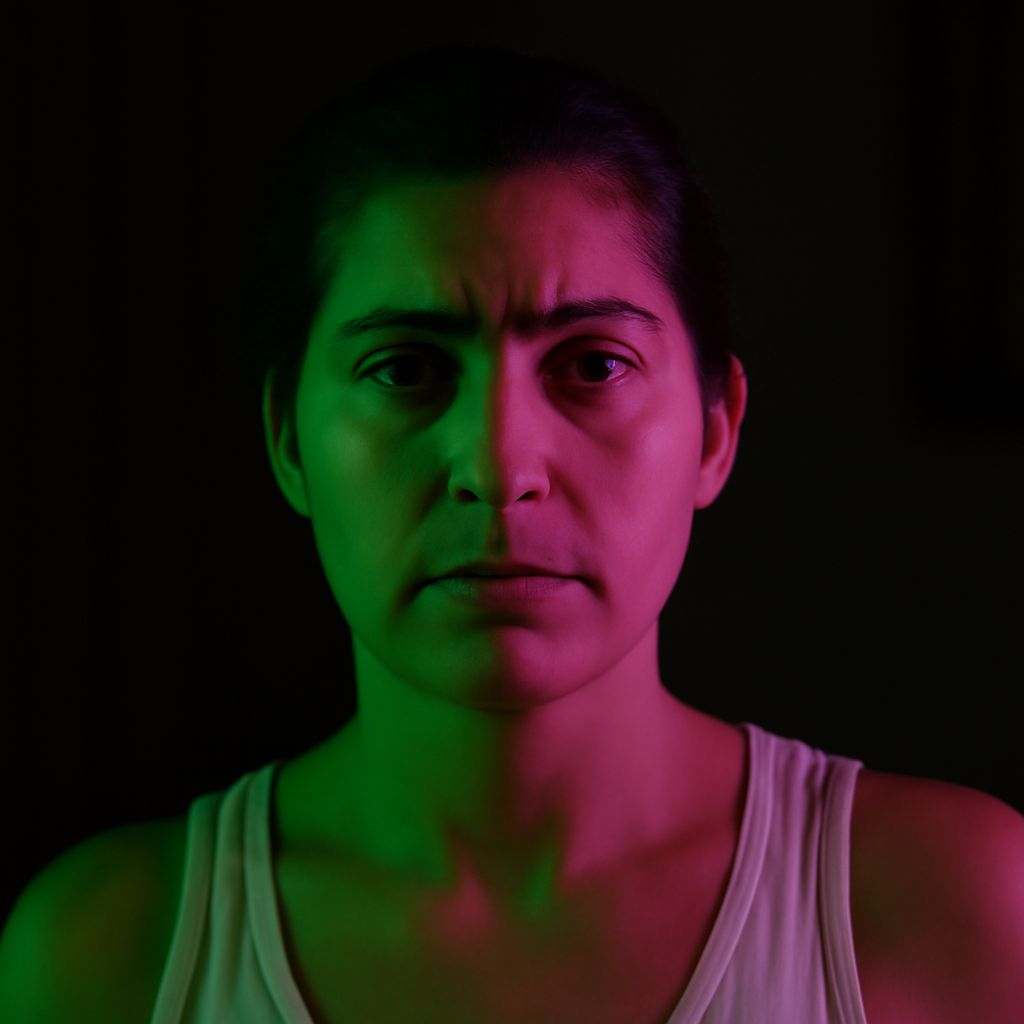
Complementary Colors for Pink and Blue in Photo Composition
Learn how complementary colors for pink and blue shift with hue, then use warm and… Read More
-
Lighting for Portraits: A Practical Guide to Posing
Learn how lighting for portraits shapes a flattering pose: set key-light height, direction, softness, and… Read More
-
Artistic Composition With Blue: Build Balanced Color Contrast
Artistic composition uses blue, orange, and controlled value, saturation, and proportion. Compare blue complementary colors.… Read More
-
Visual Texture in Art: How Proportion Shapes Composition
Learn how visual texture in art uses marks to suggest surfaces and guide attention. This… Read More
-
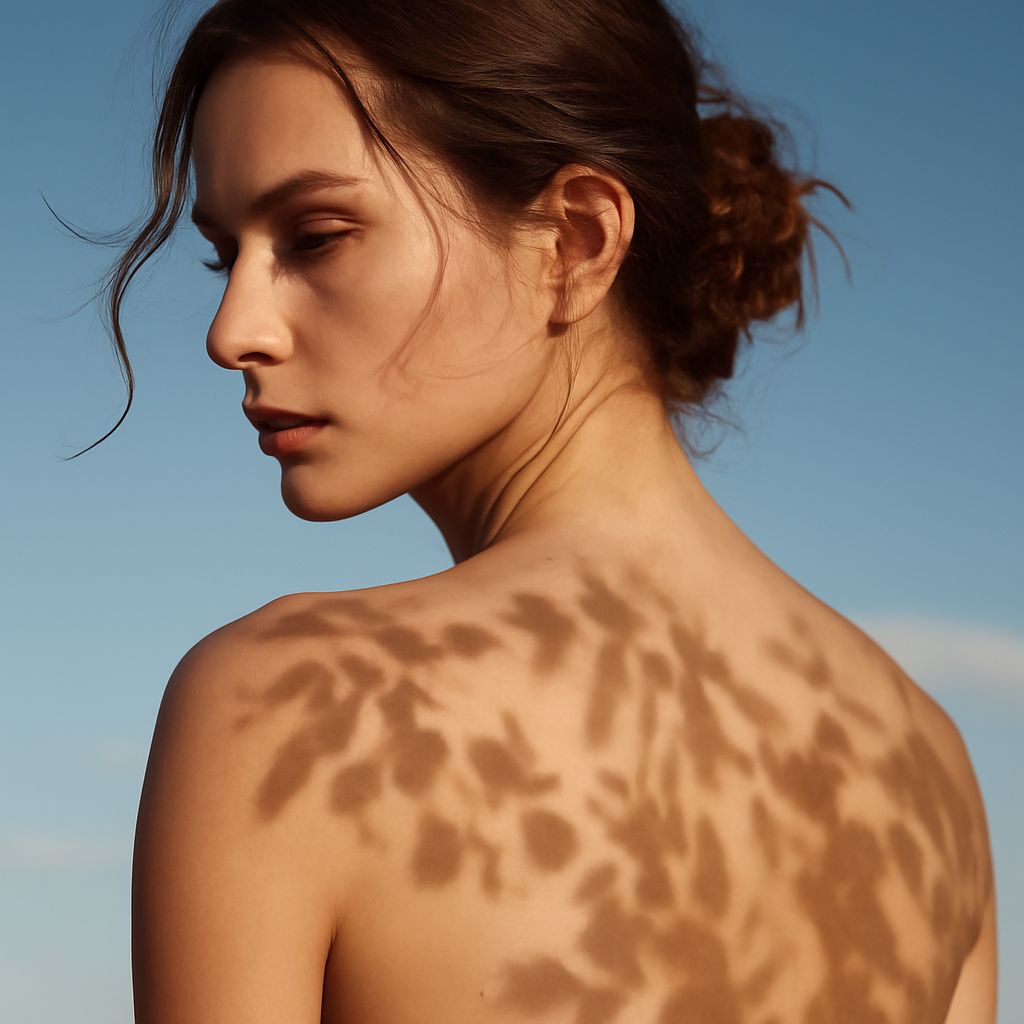
Form as an Element of Art: Using Line in Photography Composition
Learn the form as an element of art, how light and perspective create depth, and… Read More
-
Picture Composition With Shape, Form, and the Golden Ratio
Learn how picture composition organizes an image through shape, perceived form, overlap, light, perspective, and… Read More